
According to the new study, the artificial sweetener sucralose increases brain activity in regions involved in appetite and body weight, suggesting it makes people hungrier.

According to the new study, the artificial sweetener sucralose increases brain activity in regions involved in appetite and body weight, suggesting it makes people hungrier.

Researchers at MIT Lincoln Laboratory and the University of Notre Dame have developed SPROUT, a flexible robot designed for rescue missions in urban areas. Learn more here!
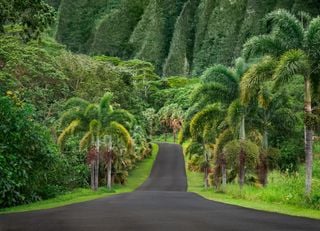
Hawaii’s forests, once teeming with unique native life, now host unfamiliar "freakosystems"—entirely reshaped ecosystems driven by human impact, where native species are nearly nonexistent.More information: Scientists warn: more species are crossing from one side to the other of the Panama Canal and altering ecosystems

What if your earliest memories weren't lost, but simply blocked? Although we learn to speak, walk, and recognize the world at an astonishing speed in our early years, most of us don't retain clear memories from that stage.
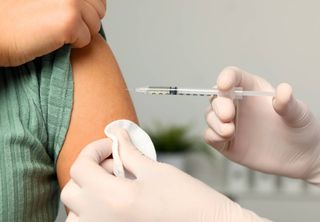
A new study published in the journal Nature highlights the link between the herpes zoster vaccine and the risk of developing dementia, indicating that the vaccine reduces this risk by 20%. Understand more below.
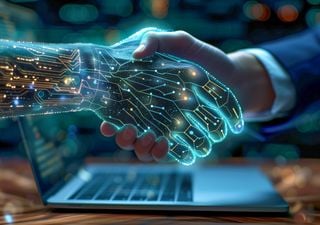
Machines are going to redefine the roles of society. “In a decade, artificial intelligence will make humans unnecessary for most things,” Bill Gates predicted.
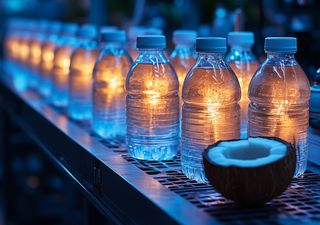
Brazilian researchers are transforming green coconut waste into biofuel, offering a sustainable solution for the waste produced in Aracaju and strengthening the country's energy matrix.
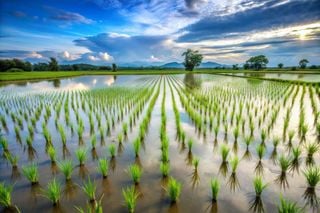
A recent study reveals that traditional rice cultivation, especially in flooded systems, emits large amounts of greenhouse gases, placing agriculture at the centre of discussions on climate change.
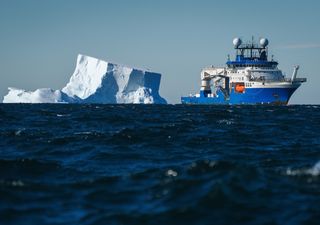
An ecosystem teeming with sponges, corals and strange creatures has been hidden beneath a 150-meter-thick layer of ice in Antarctica. Now, scientists have been able to explore it for the first time.
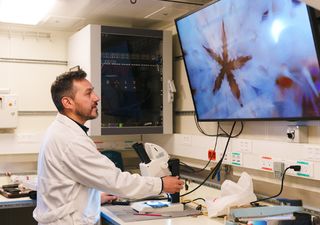
Scientists gain access to an underwater world beneath Antarctica's ice via a recent calving event revealing a marvelous array of life.
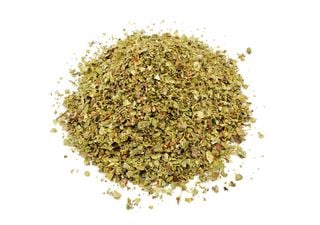
Although it's known for its unmistakable aroma and flavor, this small ingredient hides a powerful anti-inflammatory that can relieve joint pain.
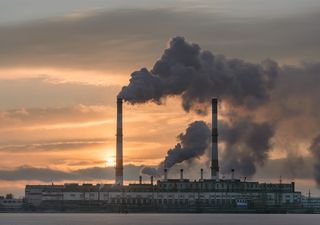
2024 saw the critical threshold of 1.5°C of warming crossed for the first time. "Net-zero carbon debt" aims to hold regions accountable for their excess contributions to global warming.