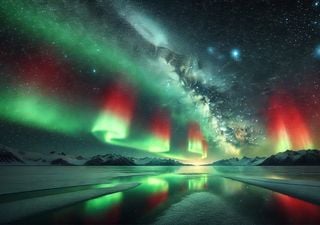
Scientists uncover the mystery of white patches seen in among the northern lights, also known as the aurora borealis.

Scientists uncover the mystery of white patches seen in among the northern lights, also known as the aurora borealis.
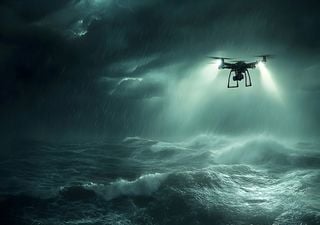
Drones have been making headlines across the United States over the last few months. A recent study suggests they may prove to be a key tool in unlocking the next phase of accurate weather predictions across the planet, particularly in remote corners of the world.
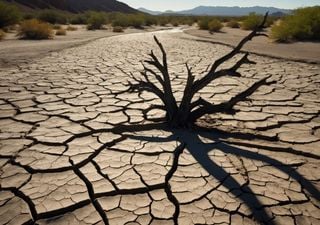
A recent global study reveals that megadroughts are not only becoming more frequent and severe, but are also drastically transforming our planet's ecosystems.

Millions of people globally are already experiencing the impacts of climate change. Here’s how the planet is protecting itself from the dangers of living in a warmer world.

Flies are very undesirable insects that bother everyone. Here we share four tips for plants that help protect your home by keeping these insects away. See below.
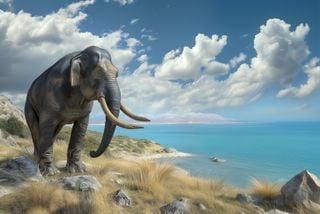
Around 400,000 years ago, early humans lived alongside giant elephants, much larger than their modern cousins. Its evolution has been a mystery to palaeaontologists, but the discovery of a skull has opened a window into the past.
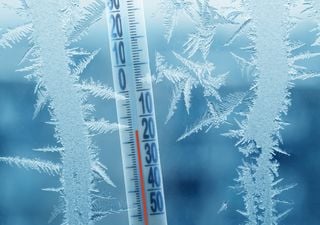
A cold wave or frost wave is a meteorological phenomenon characterized by an intense drop in ambient temperature for a prolonged period of time.

A study by Harvard University has revealed the relationship between the consumption of processed red meat and a higher risk of cognitive decline and dementia.

Technological innovations are shifting their focus from developing ever more powerful tools to developing ever more powerful skills. In the near future, humans will have access to unimaginable “super-powers.”
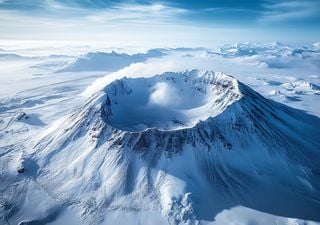
Beneath the apparent calm of Antarctica lies a latent threat: a volcano that, if awakened, could reconfigure the map of the world and alter the climatic balance.
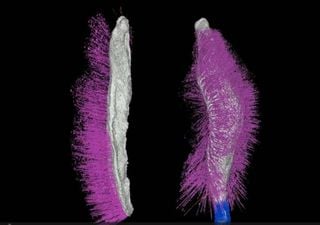
Researchers describe two new species of ancient mollusc sporting what can be described as a radical spiky hairdo.
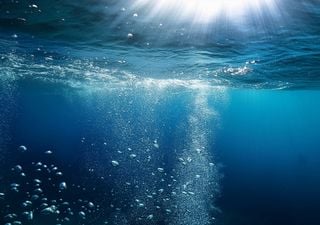
Deep-sea scientists aim to answer two important questions - how did life begin on Earth, and can it be sustained both in, and outside, our Solar System?