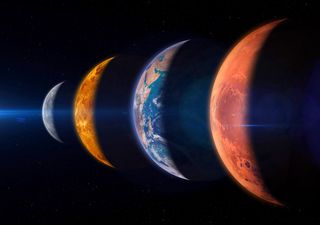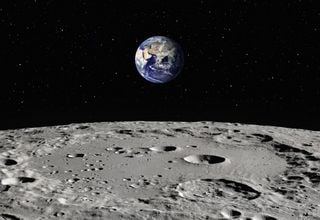
The universe is in constant motion. However, what we see is only a projection, an image distorted by the laws of physics, and the stars we admire actually occupy positions different from those we perceive.
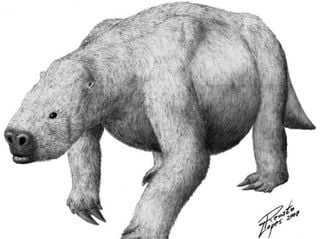
Fossil evidence in Mallorca reveals what could be the oldest ancestor of mammals. Strangely, it looked like a dog but with “sabre teeth” and no fur.
This year 2025 will bring an unusual alignment that will mark the beginning of a long list of astronomical events. In this article, we bring you the top 5, so you don't miss the opportunity to look at the sky at the right time and place.
“A dog is man’s best friend” – this is not just a saying, it is a fact that can be proven. A new scientific discovery shows how old this friendship is – the data will surprise you.
Many people wonder where one could flee in the event of a nuclear conflict, and whether there are nations or places on our Earth that could remain immune to such a dire event.
No deafening roars or high-speed chases: science rewrites the history of the most famous T. rex in cinema.
A humpback whale has made an impressive journey of over 13,000 kilometres that has astonished scientists around the world. The migration, which began in 2017 and ended in 2022, raises new questions about climate change and the animal world's adaptation strategies.
Depending on the time of year, seals will choose different icebergs which are more suitable for activities such as raising young or moulting.
A new reversal of the planet's magnetic pole appears to be underway. What is now certain is that the magnetic north pole is moving unusually fast, and scientists are trying to understand this process.
The first documented evidence of cannibalism in mosasaurs has been revealed through advanced imaging methods, in the most comprehensive study of its kind which was part of a PhD thesis.
A new research project is investigating new methods in which to quantify how quickly different plastics biodegrade after they enter the environment.
Star-shaped cells in the brain help synchronise and maintain circadian rhythm using a chemical pulse; findings of a new study could have important implications for brain diseases.