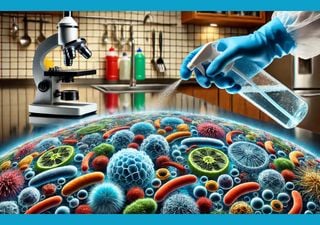
Although they promise to kill 99.9% of microbes, there is always a margin of survival. Discover the reasons behind this microscopic "immunity" and what it means for everyday cleaning.

Although they promise to kill 99.9% of microbes, there is always a margin of survival. Discover the reasons behind this microscopic "immunity" and what it means for everyday cleaning.
Autism ranks among top 10 youth health burdens, global study reveals.
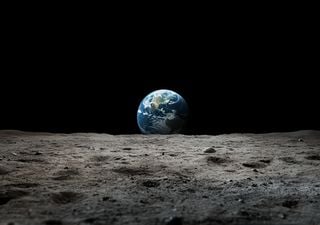
NASA is launching a new generation of retroreflectors that will improve measurements between Earth and the Moon, supporting the Artemis missions and future explorations. These precision tools will expand lunar knowledge, testing fundamental theories such as general relativity.

Medical and social advances are allowing more and more people to surpass 100 years. However, supercentenarians remain a mystery for science.
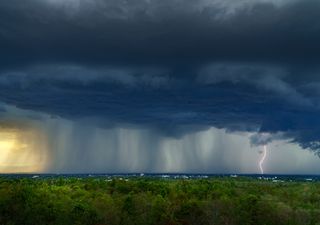
The World Meteorological Organisation recognises the American city of Unionville as holding the world record for the heaviest rainfall in 1 minute.
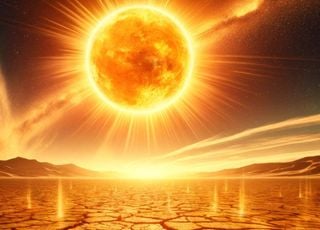
Research revealed that planet Earth may suffer from the phenomenon known as 'Supercontinent', which could extinguish life as we know it. See more information.
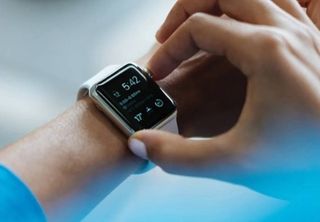
A recent study showed that some smartwatch strap models can be toxic to our health. Understand the results of this research better.
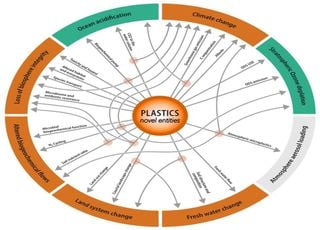
Plastic is suffocating our planet. How did we get here? What are the solutions?
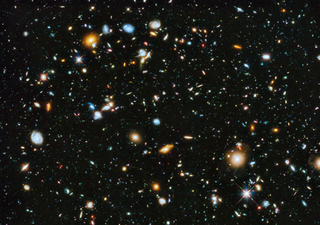
Astrophysicists from New Zealand have published a model of the Universe that does not require dark energy to explain expansion.
In our solar system, the planets revolve around the Sun and the rest of the stars also revolve, as do black holes and galaxies. Does everything in the universe rotate? Why?
Struggling with obesity and looking for an effective solution? Scientists have uncovered a game-changing exercise that could help you shed those extra pounds and improve your overall health.
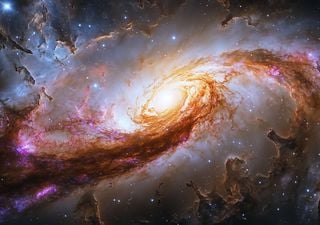
Using the James Webb Space Telescope, an international team has identified Zhúlóng, a massive spiral galaxy of great design that formed just one billion years after the Big Bang.