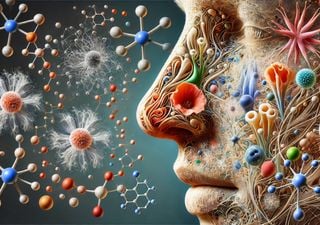
Feeling sniffy? Fungi in the nose could hold key to allergy research, study suggests.

Feeling sniffy? Fungi in the nose could hold key to allergy research, study suggests.

Taking a deep genetic dive into human evolution reveals crucial links that tell us more about our developmental history.

Alzheimer’s deaths lowest among taxi and ambulance drivers, study finds. But why?
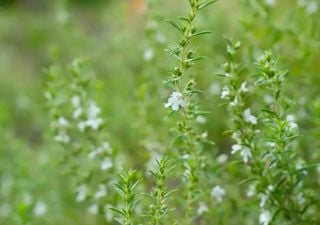
A natural seasoning that replaces salt and offers multiple health benefits, ideal for those looking to reduce sodium in their diet.

Every year, at the beginning of January, the Earth reaches perihelion, and it always happens during winter in the northern hemisphere. We explain what this phenomenon consists of.
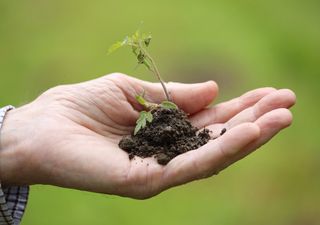
What potent bacterial biochemical poses a real threat to flowering and non-flowering plant survival?

If a 24-hour day wasn't enough for you, that's probably about to change, but not anytime soon. Something in the Earth's core is making them longer.

Nearly 75% of Australian adolescents experience anxiety or depression, with most cases chronic, according to new research.
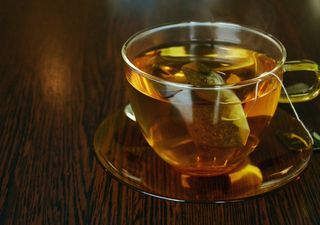
A new study unveils the truth about micro and nano plastics within common household items such as various teabags commercially available and how these interact with the human body.
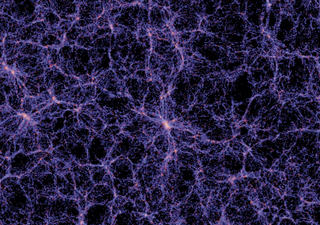
A broader cosmological simulation will be used to help researchers test models of the evolution of the Universe.

A study has found recipients are less concerned about late gifts than givers believe, highlighting that effort and care matter more than punctuality.

The drastic reduction in Antarctic sea ice in recent years could be linked to more stormy days in the Southern Ocean, according to new research. It is also likely to have implications for the behaviour of ocean currents and the global climate.