
The oldest modern humans in Europe carried Neanderthal DNA - and yet disappeared without a trace. A new discovery sheds light on their world and their dramatic fate.

The oldest modern humans in Europe carried Neanderthal DNA - and yet disappeared without a trace. A new discovery sheds light on their world and their dramatic fate.
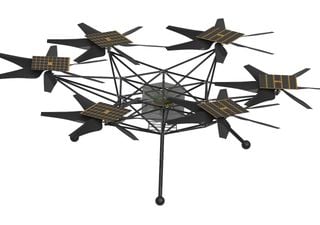
While the Ingenuity accident is still being investigated, NASA engineers have unveiled the Mars Chopper, the helicopter that will fly over the red planet.

Global tourism continues to grow and faces a critical challenge in terms of environmental sustainability.
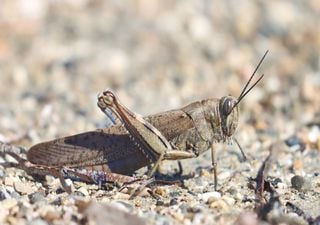
Climate change is expected to drive more frequent desert locust swarms, but researchers hope to have found a way to prevent them.
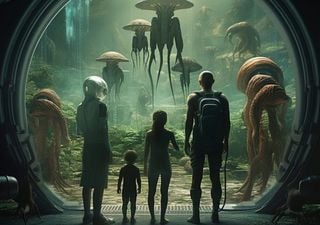
Why don't we have evidence of intelligent extraterrestrial life yet? Is it possible that aliens are watching us like in a zoo, or are we really alone in the universe?
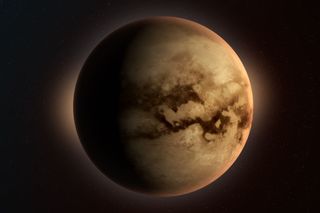
We feel truly alone in the universe and never miss an opportunity to search for other forms of life. Among the most interesting places from this point of view are the satellites of the giants of our solar system, including Titan.

New archaeological discoveries from the Cave of Los Murciélagos in Albuñol shed light on ancient archery techniques and practices.

A scientific paper presents the first artificial intelligence (AI) model, developed by Google DeepMind, that works faster than current systems, providing forecasts in minutes instead of the hours required by currently used forecasting programs.

A groundbreaking study shows that cats can rapidly connect words to images, a skill once thought unique to humans and dogs.More information: Why do dogs lick people? The surprising reasons behind this behavior
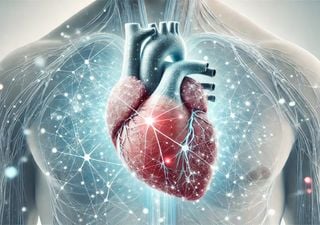
The heart has its own brain-like nervous system that controls the heartbeat, research finds.

Early research shows a vitamin may slow the progression of prostate cancer, offering new insights into treatments. Find out which vitamin this is.
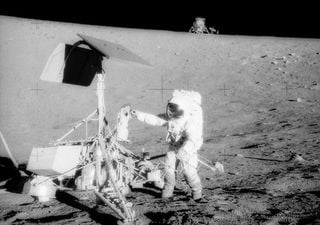
At the end of this decade, the Artemis mission will take humans back to the Moon. Now a study warns that the activities carried out could create temporary atmospheres on the Moon. This could cause problems for the missions and even for the health of the astronauts.