
Depending on the time of year, seals will choose different icebergs which are more suitable for activities such as raising young or moulting.

Depending on the time of year, seals will choose different icebergs which are more suitable for activities such as raising young or moulting.
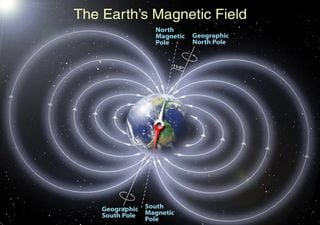
A new reversal of the planet's magnetic pole appears to be underway. What is now certain is that the magnetic north pole is moving unusually fast, and scientists are trying to understand this process.
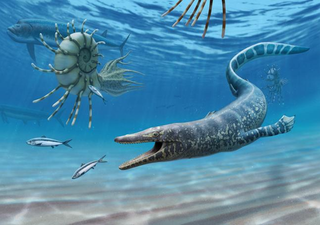
The first documented evidence of cannibalism in mosasaurs has been revealed through advanced imaging methods, in the most comprehensive study of its kind which was part of a PhD thesis.

A new research project is investigating new methods in which to quantify how quickly different plastics biodegrade after they enter the environment.

Star-shaped cells in the brain help synchronise and maintain circadian rhythm using a chemical pulse; findings of a new study could have important implications for brain diseases.
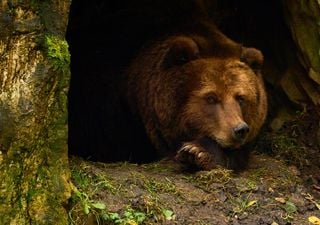
Until now, it was thought that some species enter a summer or winter-induced dormancy for their own preservation. A new study, however, reveals another, much more important function when environmental conditions become too difficult.
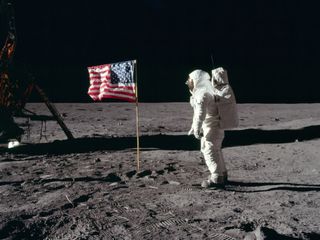
The ephemeral nature of the atoms surrounding the Moon, coming from lunar regolith and micrometeorite impacts, explains why the lunar atmosphere is so tenuous.
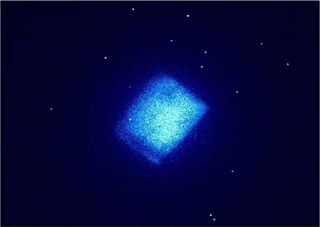
Scientists have developed a carbon-14 diamond battery that has the potential to work for thousands of years, replacing traditional lithium-ion batteries and being a more sustainable option.

Green awnings are a novel solution to mitigate climate change and purify the air. They can be installed in cities where it is impossible to have tree vegetation on their streets due to their particular characteristics.

NASA may be searching for Martian life the wrong way—and may even have inadvertently killed some, a new study suggests.
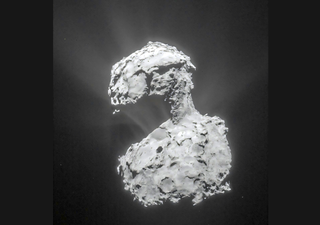
Where does water in Earth's oceans come from? It is an open question that has scientists constantly researching, and comets may have part of the answer.
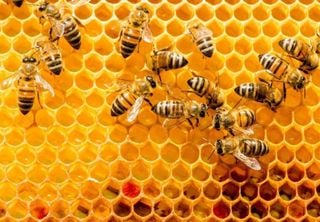
A study by the Butantan Institute showed that purified propolis extract has significant antiviral action against the Zika, Chikungunya and Mayaro viruses. See more details here.