
Researchers have developed a groundbreaking technique to show space in 3D. This discovery could change everything we thought we knew about black holes, galaxies and more!

Researchers have developed a groundbreaking technique to show space in 3D. This discovery could change everything we thought we knew about black holes, galaxies and more!
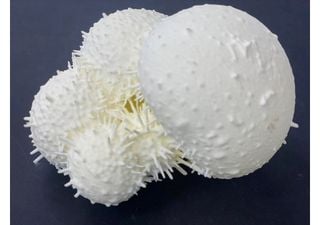
Comparison of modern-day plankton with species from the ancient past shows modern plankton will struggle to survive in a warming world.
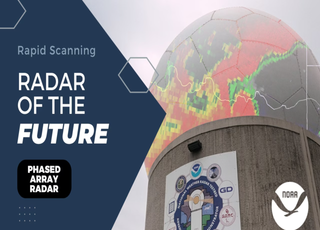
Increasingly severe weather events require cutting-edge technologies to monitor them in real time. Could phased array radars be the key?

Researchers have been able to fine-tune effortless movements in robots recently. This advance comes after decade-long developments in animal-like robots, such as BigDog designed for military missions. But why was it scrapped?
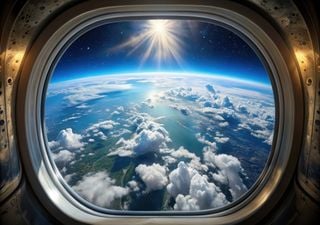
Space tourism grows as a market with a couple companies offering to take paying customers to space. The question arises - is this good or bad?
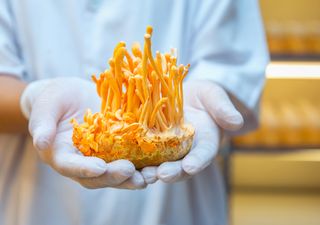
Cordycepine, a substance derived from the fungus Cordyceps militaris, can block cell growth signals and reduce the growth of cancer cells, offering a basis for new cancer drugs.
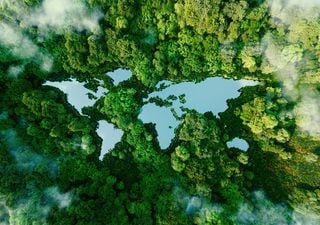
COP29 is well underway, and scientists are urging immediate action to protect against the worst impacts of climate change.

Smarter social media use could ease anxiety and loneliness, research suggests

A new study has revealed for the first time that people in countries contributing the least to climate change are already bearing the brunt of its devastating consequences – and the burden is set to get worse.
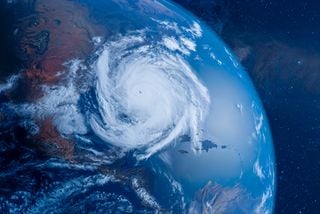
NASA’s Atmospheric Waves Experiment (AWE) captured stunning images of gravity waves generated by Hurricane Helene on September 26, 2024. These waves extend high into Earth's atmosphere and offer valuable insights into how storms impact space weather.
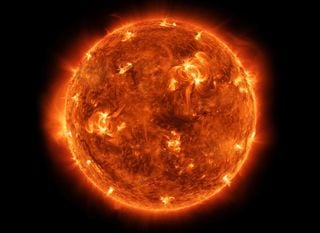
New models developed by the National Center for Atmospheric Research have revealed that the Sun may boast a polar vortex of its own. These large, swirling masses are of particular interest, as they could have a dramatic effect on the Sun's magnetic field.
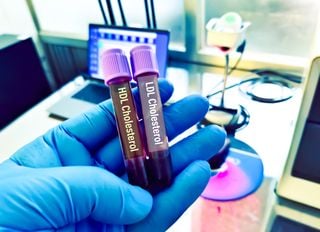
It is a fruit that can reduce total cholesterol and LDL (bad cholesterol). And that's not all: it also strengthens immunity and promotes intestinal health. Find out which one is here.