
This simple natural remedy has gained popularity for its medicinal benefits that have been used for centuries and is currently a natural ally against stress and heartburn.

This simple natural remedy has gained popularity for its medicinal benefits that have been used for centuries and is currently a natural ally against stress and heartburn.
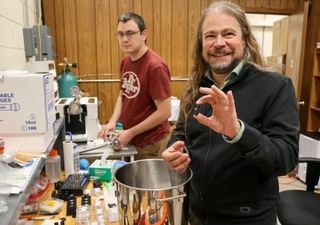
New research led by Virginia Tech hunts for proof of dark matter within crystals.
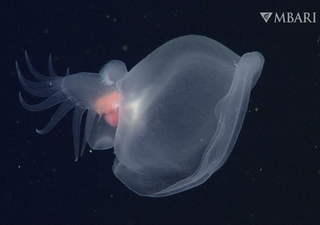
High tech remotely operated equipment has revealed new creatures in the deep ocean. One particular "mystery mollusc" appeared particularly tricky to define, in more ways than one. But scientists have cracked its secret.

If you've ever noticed your dog shaking vigorously after a bath or swim, you’ve probably wondered: Why do dogs shake so much when they're wet? In this article, we’ll explain the science behind it.
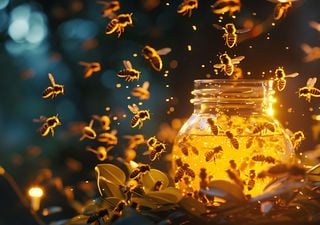
Increased human habitation along with a rise in urban beekeeping is exposing bees to artificial light, disturbing their sleep and how effectively they can do their work.
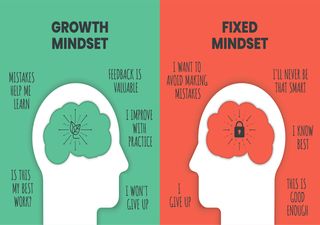
There has been an improvement on how to measure a growth mindset in a quantifiable way thanks to research from the Norwegian Institute of Science and Technology.

Research into other celestial bodies in space allows us to better understand our planet, our resources and how to provide solutions to the challenges of the future.
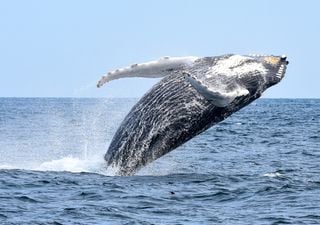
Researchers have a pleasant "conversation" with a humpback whale named Twain, taking one step closer to understanding and communicating with extraterrestrial life on our planet and beyond.
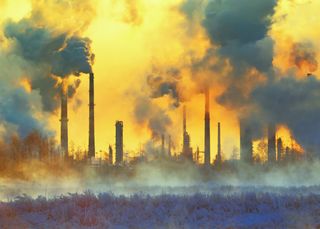
Researchers at the University of Virginia have developed an AI-powered system that detects toxic gases in real-time, using sensors that mimic human smell to identify pollutants with precision.
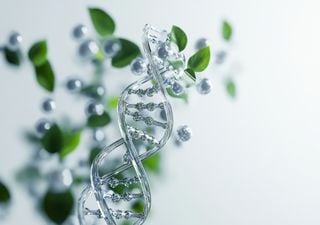
Two different regulatory enzymes responsible for genetic silencing in plants might once have shared the same structure and role, scientists say.
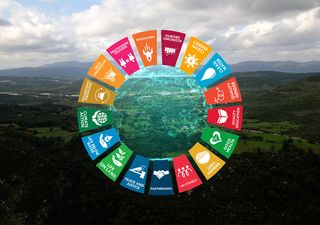
Progress towards sustainable development goals and climate targets has been slow. A new study suggests three pathways to help achieve these goals.

Tree planting is not the ‘catch all’ solution to climate change that many would like it to be. Although trees provide many environmental benefits, planting trees simply isn’t suitable in all environments, and in some cases may actually exacerbate warming.