
This high-quality green tea, obtained from leaves ground into powder, is traditional in Japanese ceremonies and is gaining popularity around the world for its health benefits and distinctive flavour.

This high-quality green tea, obtained from leaves ground into powder, is traditional in Japanese ceremonies and is gaining popularity around the world for its health benefits and distinctive flavour.
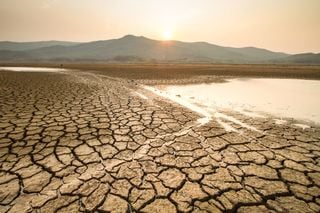
A collaborative study between several universities and NOAA examined a persistent 2023 heat wave in the southern United States. With the help of climate models accounting for climate change, they determined that these sorts of heat waves will likely increase in the future.
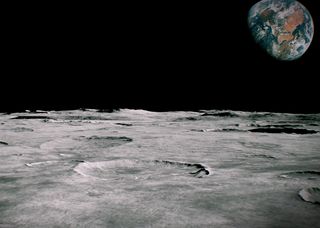
Apollo 16 moon samples reveal billions of years of lunar history, from ancient asteroid impacts to valuable resources, aiding plans for future lunar missions.

A recent Harvard study uncovers how individual neurons in the brain's prefrontal cortex encode the meanings of words in real-time. This research offers new insights into language comprehension and the brain's language centers.
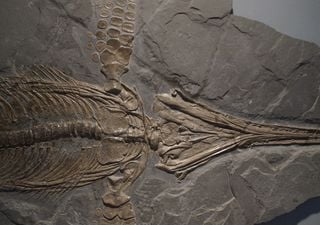
A gigantic sea creature has been uncovered on a road construction route in Leicestershire, England. What is it?

What have pumpkins and cucumbers got in common? Genetically they can work together to fight off a common enemy - salinity, which is worsening in soils with climate change.
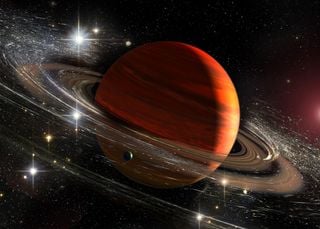
A University of Hawaii study suggests that Titan’s surface hides a thick crust of methane ice, potentially warming its interior and shaping its surface.
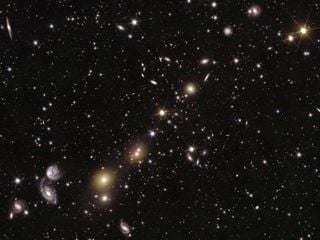
ESA's Euclid space telescope has revealed the first section of the largest cosmic map ever created. The aim is to investigate dark matter and dark energy, which make up 95% of the Universe.

Researchers develop low-cost battery material that could make electric cars cheaper than ever.

Researchers have found that AI model GPT-4 could be used to assist healthcare professionals in improving safety outcomes for patients. But how?
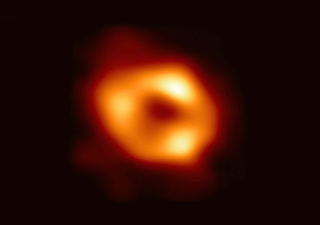
A group of Japanese astronomers re-analyzed the images of the black hole Sgr A* published in 2022 and drew different conclusions.
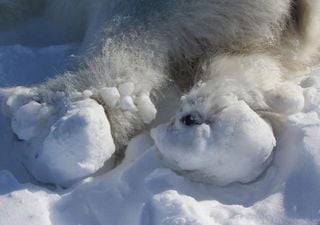
A new study led by the University of Washington investigates how polar bears are accumulating ice balls on their paws in the Arctic.