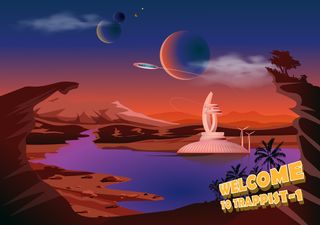
Rocky planets orbiting small stars might be able to support life, based on new science models developed beyond the possibilities of TRAPPIST-1.

Rocky planets orbiting small stars might be able to support life, based on new science models developed beyond the possibilities of TRAPPIST-1.

New study investigates how human activities and changes in light during the night affect animal communities within tropical settings.
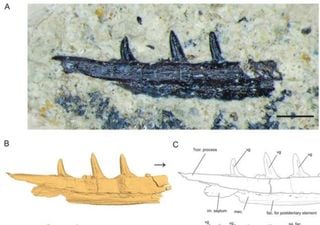
A new species of venomous reptile found in the USA helps shed light on the group's feeding strategies.
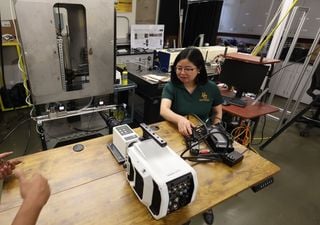
Engineers have developed an ultra-clean combustion technology capable of burning glycerol/methanol mixtures with almost zero emissions - an innovation that improves the efficiency and sustainability of biofuels.

China has changed their policy on family size, allowing parents to have a maximum of three children, but what effect will this have on carbon emissions?

Music is our favorite companion, anytime, anywhere. It relaxes many people, and motivates others. Can it make us more productive when studying or working?
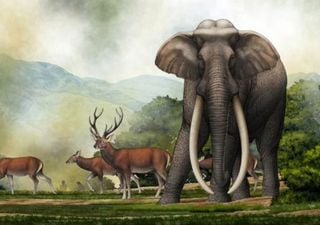
A skull and stone tool excavated in 2000 from India has helped shed light on ancient elephant evolution.
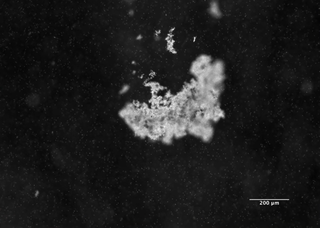
A Stanford study reveals that climate change is slowing sinking processes in the oceans, making the storage of carbon dioxide in the ocean less efficient than previously thought.
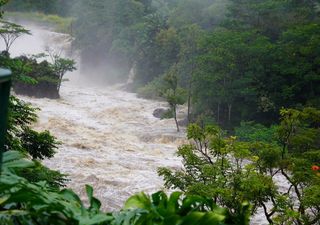
A new study published in the journal, Earth’s Future, suggests that global biases are affecting how hydro-hazards are researched, especially in low-income countries.

A team of engineers from UCLA developed the ZeroCAL method, capable of eliminating up to 98% of CO2 emissions associated with cement production. Find out more here!
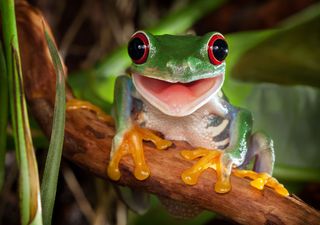
In the rainforests of Madagascar, researchers have found seven new species of frogs that make sounds reminiscent of Star Trek. And yes, they named the frogs after the series' most legendary captains.

Scientists have found a way of generating sodium-ion battery anodes with a 30-second, microwave-assisted heat treatment technology.