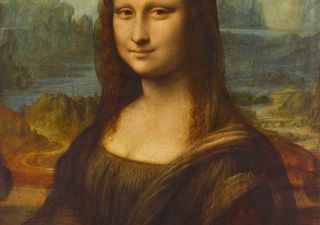
Not only is La Gioconda's smile an enigma in this painting. It has also been the background landscape of one of the most emblematic portraits in history.

Not only is La Gioconda's smile an enigma in this painting. It has also been the background landscape of one of the most emblematic portraits in history.
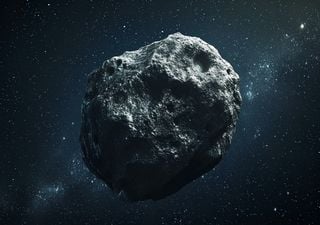
NASA's Lucy spacecraft revealed that a satellite asteroid called Salem is actually two moons mixed together, with profound implications for how planets are formed.
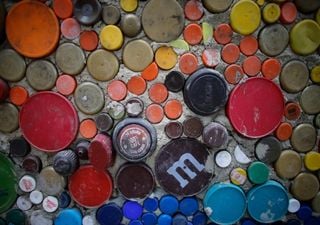
Studies reveal that red, blue and green plastic breaks down into microplastic particles faster than simpler colors. Find out more here!

Despite the enormous advances in science, some abilities are still unique to humans and will be difficult to replace by artificial intelligence.
Educational strategies in schools might be harming kids more than helping them, research suggests.
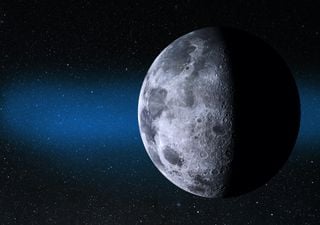
Two researchers at Brown University have united to improve a mapping technique of the Moon's surface, which can bring to light its "darker corners".
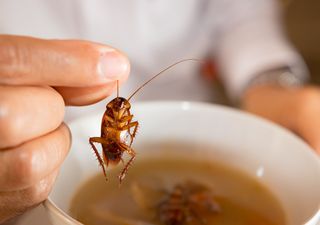
The German cockroach is the most widespread in the world and humans were, to a large extent, responsible for its spread. But despite its name, the genomes revealed that its origin was not in Germany.
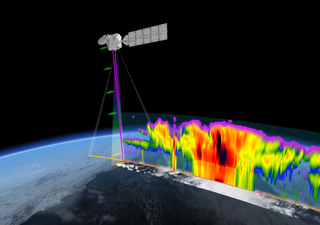
A joint European-Japanese space mission aims to solve the puzzle, which scientists hope will aid climate predictions.
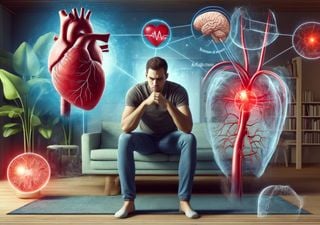
Research links brief anger to blood vessel impairment, raising heart risks.
Scientists develop revolutionary AI platform to design new cancer treatments.
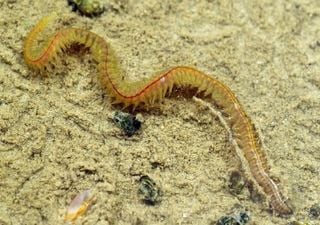
Marine sediments are extremely diverse and seafloor invertebrates who disturb them play an important role in ensuring the health of the oceans.
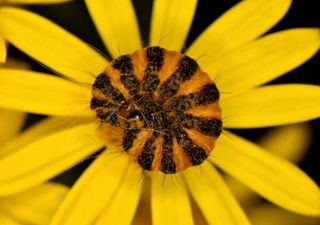
Static electricity is a sensory cue used by caterpillars to detect their prey, but other sources of electric field are affecting this ability.