
Air pollution linked to increased fat and loss of muscle mass in older adults
A study in Spain reveals that black carbon is the main pollutant associated with deterioration in body composition among older adults. Learn more here!
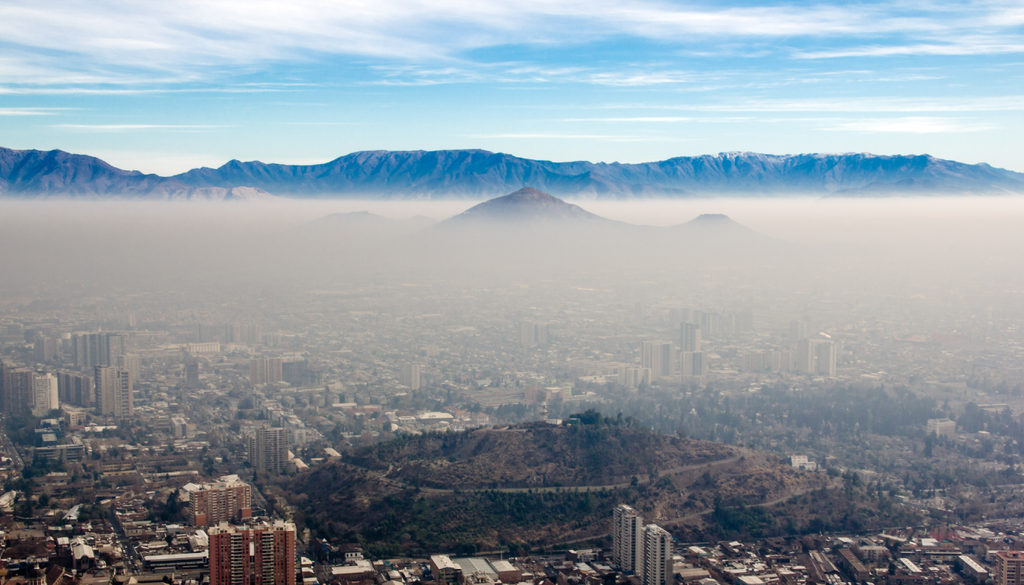
The main objective was to examine the relationship between prolonged exposure to atmospheric pollutants and body composition (total fat mass, visceral fat and lean mass) in older adults with overweight or obesity and metabolic syndrome.
Body composition assessment and pollution assessment
The study analysed data from 1,454 Spanish adults (aged between 54 and 75, 48% of whom were women) participating in the PREDIMED-Plus clinical trial.
Researchers used the following tools:
- Body composition assessment: DXA scans (dual-energy X-ray absorptiometry) were performed at the start of the study and after 1 and 3 years of follow-up to accurately measure fat and lean mass.

- Pollution assessment: annual exposure was estimated based on participants’ residential addresses, focusing on three pollutants: black carbon, fine particles and nitrogen dioxide.
The models were adjusted for factors such as age, sex, physical activity, smoking, diet and education.
Is there an association between pollution and body mass?
The results indicate a clear association between pollution and deterioration in body composition over three years:
Increase in fat mass and loss of lean mass: higher pollution levels were associated with a greater percentage of body fat and lower lean mass, both at the beginning of the study and after three years.
Hierarchy of pollutants: the associations were strongest for black carbon, followed by fine particles, and weaker for nitrogen dioxide.

Visceral fat (VAT): interestingly, the increase in visceral fat associated with pollution was observed only in participants under 65 years of age. Researchers suggest this is due to the greater plasticity of adipose tissue in slightly younger individuals.
Geographical differences: Barcelona recorded the highest pollution levels, while León and Pamplona/Navarra recorded the lowest levels among the centres analysed.
Air pollution may promote fat accumulation and muscle loss through oxidative stress, which induces mitochondrial dysfunction in skeletal muscle and inflammation in adipose tissue.
In conclusion, prolonged exposure to air pollution, especially that derived from traffic (black carbon), is a significant risk factor for the metabolic health of vulnerable older adults, contributing to fat gain and sarcopenia (muscle loss). These findings reinforce the need to consider environmental factors in healthy ageing strategies.
Reference of the news
Ariadna Curto, Jadwiga Konieczna, Antoni Colom, Itziar Abete, Kees de Hoogh, Gerard Hoek, Jordi Salas-Salvadó, J. Vicente Martín-Sánchez, Ramón Estruch, Josep Vidal, Estefania Toledo, Jesús F. García-Gavilán, José Antonio de Paz, Rosa Casas, Nuria Goñi-Ruiz, Héctor Vázquez-Lorente, Montserrat Fitó, J. Alfredo Martínez, Dora Romaguera; Long-term Air Pollution and Overall and Regional Body Composition in Older Adults With Overweight or Obesity and Metabolic Syndrome. Diabetes Care 2026; dc252497. https://doi.org/10.2337/dc25-2497