
Cyclone rainfall reaches beyond the coast: climate change could worsen flooding
Does living far from the sea protect you from a cyclone? Its rainfall can keep the danger inland. Discover how ocean warming and mountains influence this threat.
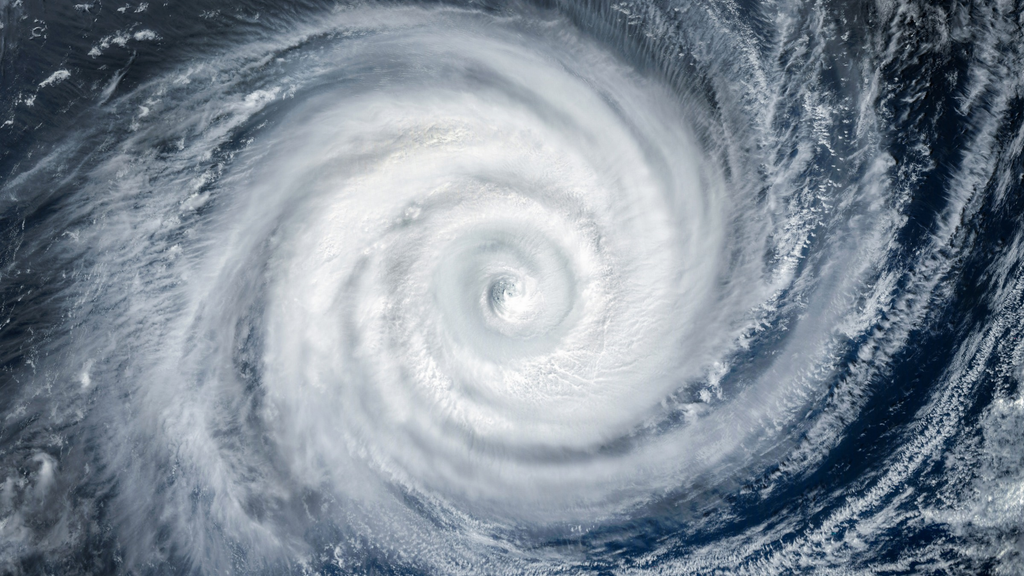
The sea may be far away and yet a tropical cyclone can still turn streets into torrents and rivers into threats. When these systems approach land closely enough, their effects continue beyond the coast. Rainfall can cause flooding in inland communities, even after the winds have weakened.
Climate change adds further pressure to this danger. A warmer atmosphere can hold more water vapour, which is available to fuel intense rainfall. Understanding how this moisture, storm circulation and terrain interact is essential for anticipating where rainfall may become concentrated.
An experiment with Cyclone Shaheen
A study published in Scientific Reports examined Shaheen, which affected northern Oman in October 2021. Using simulations with the ICON atmospheric model, at a resolution of 6.5 kilometres, the researchers modified sea surface temperature, terrain elevation and the roughness of the sea surface.
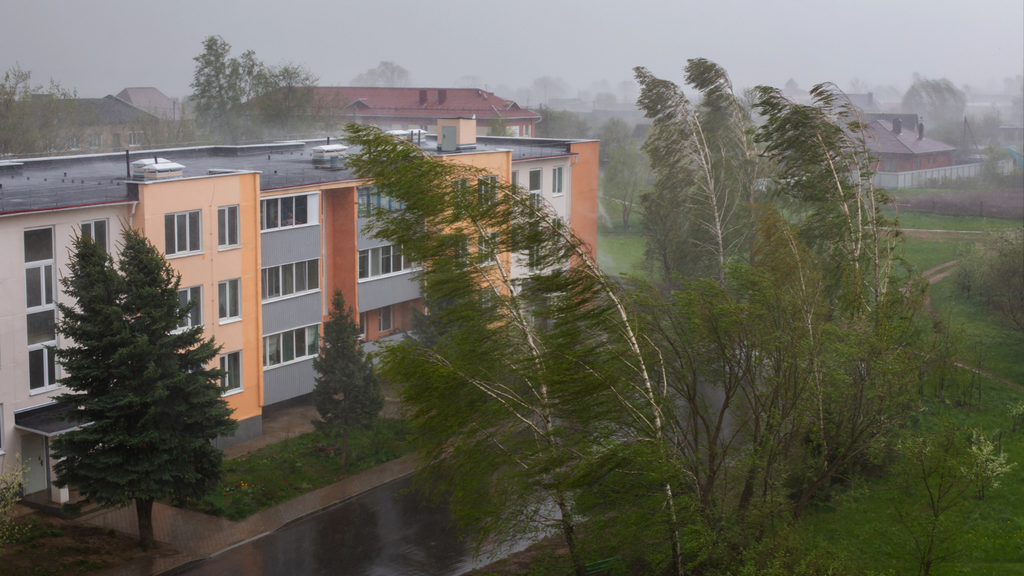
The change that produced the most marked response was increasing the ocean's sea surface temperature by 2°C. Under this condition, the simulated cyclone intensified and produced more coastal rainfall. However, this result allows researchers to examine the model's response to a warmer sea, but does not in itself constitute a climate projection.
More moisture to fuel rainfall
Tropical cyclones find a source of energy and moisture in the ocean. Under favourable atmospheric conditions, warmer waters can contribute to their intensification. In turn, an increase in available water vapour can lead to more rainfall when moisture converges and condenses within the system.
For a global warming scenario of 2°C, an average increase of around 14% in rainfall rates within approximately 100 kilometres of the centre of cyclones has been estimated. This is a global estimate from multiple studies, distinct from the experiment with Shaheen. It also does not mean that every storm will respond in the same way.
Mountains alter the distribution of rainfall
Terrain also plays a role. When moist air encounters a mountain, it rises, cools and can produce more rainfall. In the Shaheen simulations, reducing the height of the terrain altered the cyclone's path and weakened rainfall enhanced by the mountains. The accumulated rainfall also depends on the size and speed at which the system moves.
Large, slow-moving cyclones tend to produce greater rainfall totals. This is why a hurricane's category is not enough to estimate its rainfall hazard. Its winds may weaken while rainfall continues to pose a risk of flooding.
Living far from the sea does not eliminate the risk
Inland, slopes channel water towards streams and rivers; in cities, paved surfaces encourage surface runoff and can overwhelm drainage systems. Other weather systems can also interact with a cyclone or its remnants and prolong rainfall over the same region.
The Shaheen study does not demonstrate that climate change is shifting flooding increasingly further inland from the coast. The wider evidence does point towards more intense cyclone rainfall as the climate warms. For inland communities, this reinforces the need to monitor rainfall and waterways, even when the cyclone is losing strength.
News references
Al Mawali, B., Ali, I., Köhler, M. y colaboradores. (2026). Sensitivity of ICON ensemble simulations of tropical cyclone Shaheen to sea surface temperature and terrain-height changes.
Sultan Qaboos University. (2026). Could warmer waters bring heavier coastal rain? Insights from Cyclone Shaheen simulations.