
Disappearing insects could spark wildlife crisis
Wildlife across the planet relies on insects in far more ways than most of us realise. Ongoing insect declines could have serious consequences for animals and ecosystems, according to a major new global analysis.
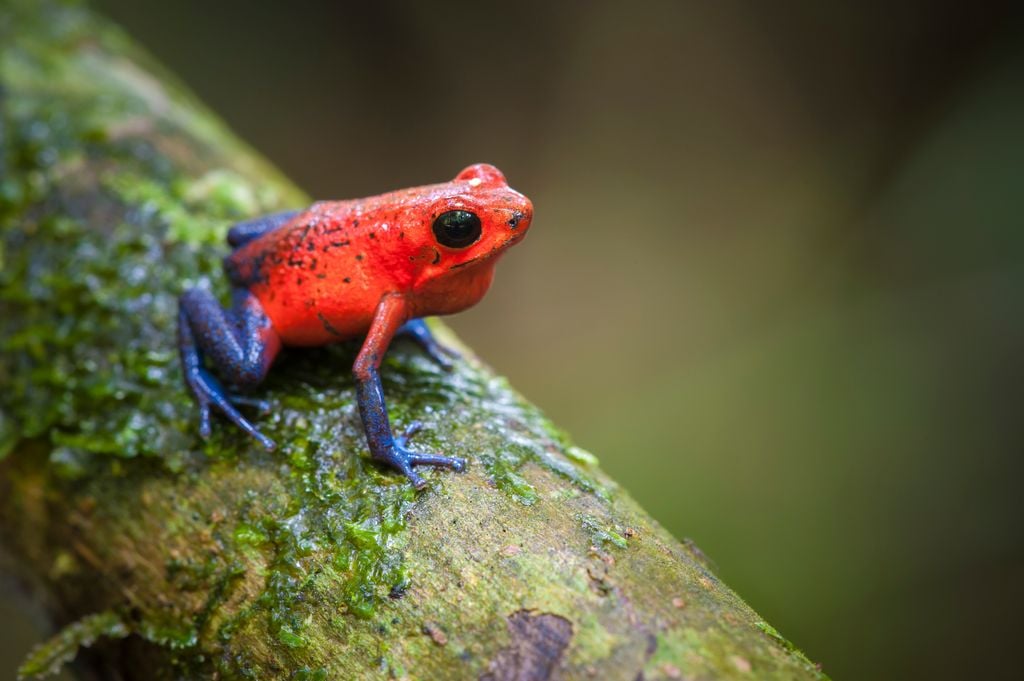
Insects support wildlife not just as food, but as builders, cleaners, medics and even chemical bodyguards, a new study reveals.
The research found that almost three‑quarters of land and freshwater wildlife species eat invertebrates – mainly insects – and more than two‑fifths rely on them exclusively.
From grizzly bears and chimpanzees to geckos and poison dart frogs, tens of thousands of species depend on insects to survive.
But food is only the beginning. Many animals rely on fruits, seeds and other foods that exist only because insects pollinate plants or disperse seeds.
Some wildlife has even evolved extraordinary ways to catch insects, such as amphibians and chameleons with projectile tongues, or birds that have learnt to remove bee stings before eating them.
Insects keep ecosystems functioning
Termite mounds and ant nests act as ready‑made housing for many species. Animals use these structures for protection from predators, for breeding, or for laying eggs. These insect‑built homes can be essential refuges in harsh environments.
Some animals, such as poison dart frogs, produce toxins that make them less appealing to predators from the ants and beetles they eat.
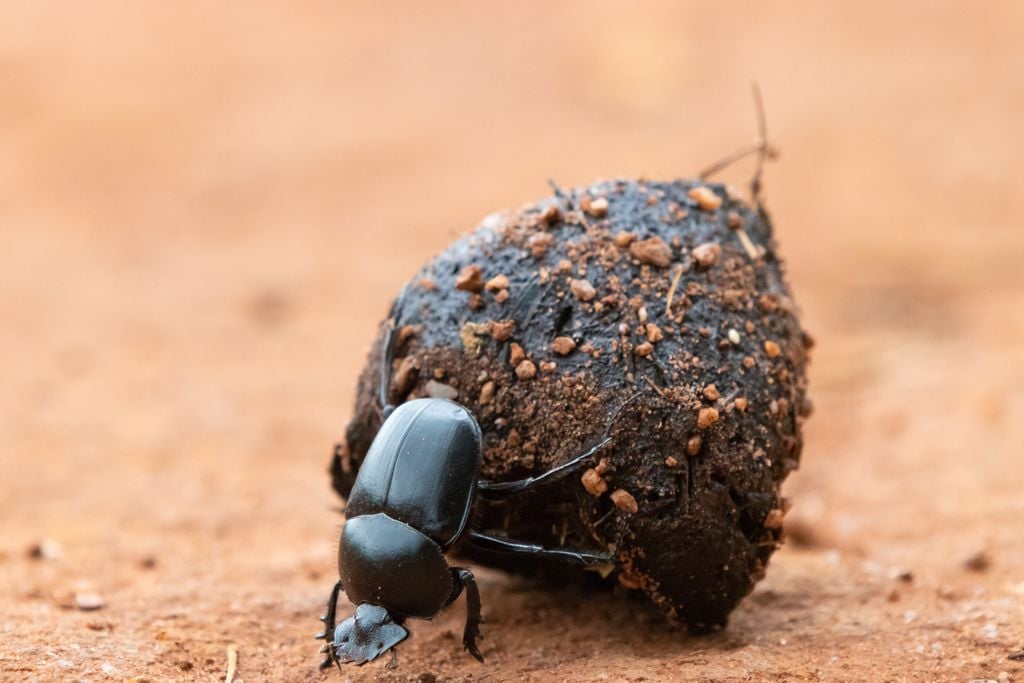
Insects also help reduce disease risk by breaking down or drying out dung, which kills parasites.
Beetles protect birds and mammals from biting insects and the diseases they carry by eat ing the larvae of blowflies and other pests.
Some species even use insects directly as medicine: chimpanzees apply insects to open wounds, while birds, reptiles, amphibians, rodents and primates use ants for grooming.
There are also remarkable “housemate” relationships. Moths live in owl and kingfisher nests, where they clean up fur, feathers and faeces.
Others live on the backs of sloths, depositing nitrogen that helps algae grow – a key food source for the sloths themselves.
Protecting insects = protecting biodiversity
But scientists warn that widespread insect declines could disrupt all these interactions.
Dr Rob Cooke, a senior ecologist at UKCEH said that the remarkable ways that insects support other animals is 'often overlooked'.
“Widespread insect declines globally are likely to have far-reaching effects on wildlife.
"Beyond reducing an essential food source, losses of insects risk changing ecosystems, disrupting pollination and seed dispersal, weakening sanitation, and altering the many interactions that help ecosystems function," he said.
The research was led by the UK Centre for Ecology and Hydrology and Binghamton University in the US, and reviewed nearly 300 scientific papers published over the past 75 years.
News reference
Cooke, Grames et al. The importance of insect biodiversity for vertebrates.