
Rising heat and wildfire smoke creates difficult indoor air decisions for households, researchers say
Advice to shut windows and doors during wildfires helps protect against smoke pollution but can be challenging in hot weather, research suggests.
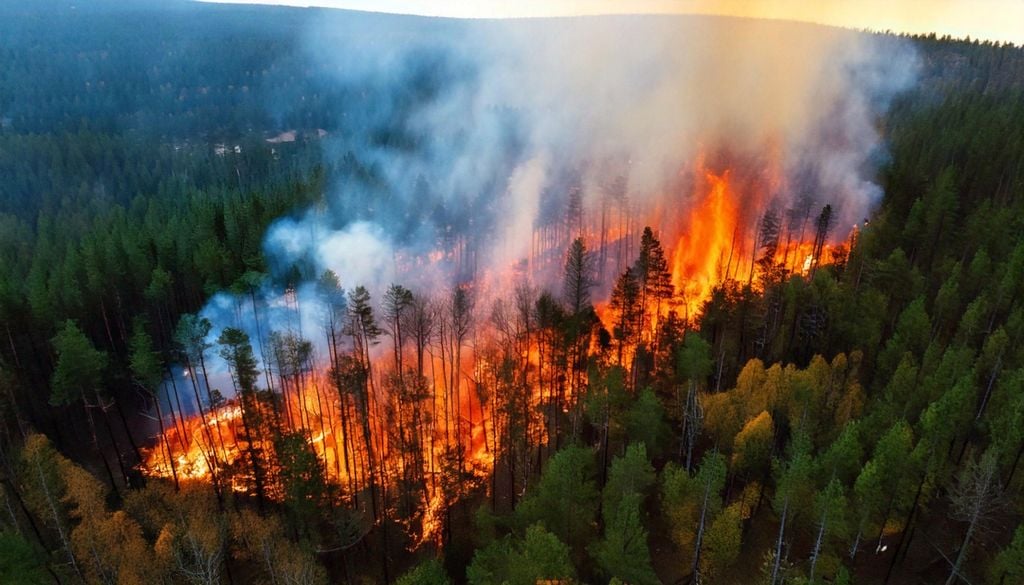
Closing windows and staying inside doesn’t completely protect you from wildfire smoke while opening windows during hot weather only makes indoor air pollution worse, preliminary findings from the University of Manchester’s Cystic Fibrosis Hub Air Quality Research team suggest.
Real-time analysis of PM2.5
Smoke from wildfires contain PM2.5, a type of fine particle pollution that can travel deep into the lungs and cause irritation, making respiratory conditions such as Cystic Fibrosis (CF), asthma and COPD worse.
“Exposure to wildfire smoke can increase symptoms including coughing, wheezing, breathlessness and chest tightness, and may trigger severe flare-ups that require medical treatment,” explained Dr Thomas Bannan, Senior Lecturer in Atmospheric Sciences.
“That is why people with existing respiratory diseases as well as children, older people and other immunocompromised people are also at greater risk of respiratory infections, hospitalisation and other serious health complications during wildfire events.”
The team analysed real-time indoor air-quality records from 23 Greater Manchester homes monitored during two periods of wildfire activity in the nearby Pennine hills in July 2026.
Each home breached World Health Organization’s 24-hour guideline for fine particle pollution on 17 July when outdoor smoke levels peaked. The problem seemed to get worse when the windows were opened due to 33°C+ temperatures, although levels of indoor-generated pollution – volatile organic compounds and carbon dioxide – dropped.
Overnight bedroom PM2.5 levels jumped from an average of 2.7 µg/m3 to 7.8 µg/m3 with windows closed and 11.8 µg/m3 with windows open. Closing windows reduced exposure, but levels remained 2–4 times higher than normal.
In some homes, concentrations rose to over 100 µg/m3, several times higher than the levels normally recorded in those homes.
Following guidance will help but challenging when hot
The UK Health Security Agency’s guidance on wildfire smoke suggests staying indoors and closing windows to help reduce pollution. And the research broadly agrees with this: levels didn’t rise as much in homes where windows appear to have been closed, but this didn’t prevent all outdoor smoke pollution getting in.
Professor Alex Horsley, clinical academic and consultant at the Manchester Adult Cystic Fibrosis Centre, said the findings “show the difficult challenges that people face during periods of wildfires and high environmental temperatures.
“Following the simple but often repeated instruction of going indoors and shutting the windows will only give you some protection from wildfire smoke, and keeps heat in the home. Both smoke and heat can make breathing worse for those with chronic lung conditions.

Bannan said the advice “can be difficult to follow during very hot weather, particularly in homes that are prone to overheating. We need clearer, evidence-based guidance that helps households reduce exposure to both smoke and heat. I hope this new data can support these decisions.”
The team are now investigating practical measures, including air filtration and approaches to keeping homes cool, “so that people – especially those with existing respiratory conditions – have better options during future extreme events such as these,” Bannan added.