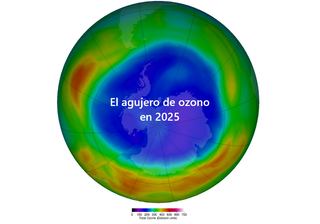
The ozone hole over Antarctica is slowly recovering, according to NASA and NOAA. Data from 2025 confirms this in a recent report by both organizations.

The ozone hole over Antarctica is slowly recovering, according to NASA and NOAA. Data from 2025 confirms this in a recent report by both organizations.
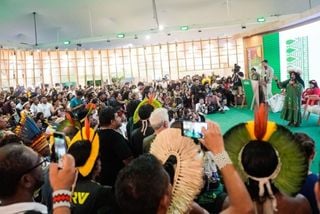
During COP30 in Belém, the government announced four official approvals, ten declaratory decrees, and six identification reports, reinforcing the demarcation of indigenous territories as an essential strategy against the climate crisis.
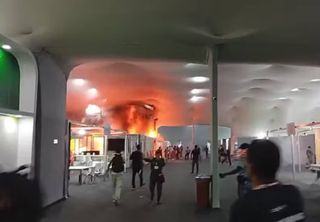
A fire broke out in the countries' pavilion at COP30 in Belém, early Thursday afternoon (20 November). Fortunately, the flames have already been brought under control and there were no injuries. See more information.

The extinction of butterflies is underway, and the endangered species on Madeira Island is a sign that urgent measures can no longer be delayed, conservationists warn.
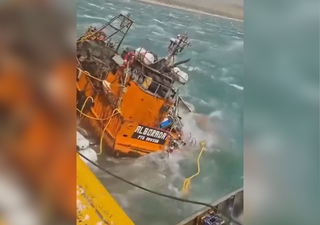
Strong winds that battered southern South America brought storm surges and even dust storms to Argentine Patagonia. Some areas were under Red Alert from the Argentine National Meteorological Service.
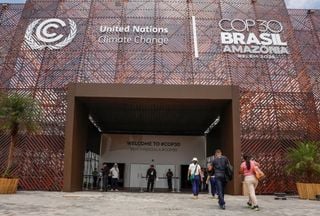
At the start of COP30 in Belém, Director Ana Toni announced a record number of NDCs submitted and highlighted the progress made in negotiations on adaptation, technology and a just transition in the fight against climate change.
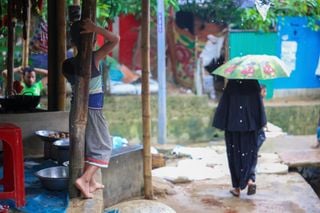
Climate shocks are undermining refugees’ chances of recovery, increasing humanitarian needs, and amplifying the risks of repeated displacement.

A new study reveals that speaking more than one language can help protect against accelerated aging, offering new hope for keeping the mind younger, longer.More information: Too Tired to Focus? That’s Your Brain Doing a Quick Detox
The 30th UN Climate Summit kicks off in Belem, Brazil, with the WMO's warning. There are many new developments this year, from the Heads of State summit held before the COP to the return of protest movements and climate activists. What topics will be discussed, and what are the expectations?
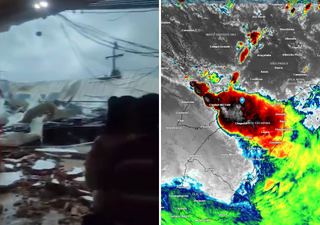
The formation of an extratropical cyclone last Friday brought strong winds, heavy rain, hail, and thunderstorms with tornadoes to southern Brazil. One city nearly disappeared from the map as a result.

Can we introduce elements of gaming in shipping for a safer and a more sustainable future of the industry? Experts in Greece think so.
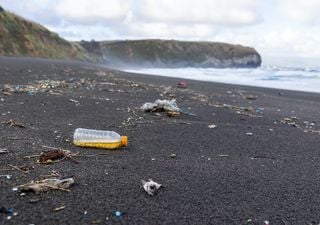
By rethinking connections between sea, land and coasts, COAST-SCAPES may offer a new future for the coasts we know of degraded by erosion and climate change.