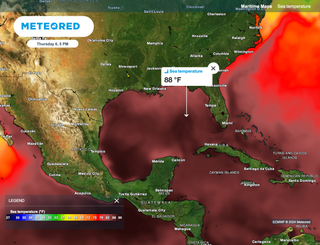
Sea surface temperatures in the Gulf of Mexico are soaring above average early on in the season this year. Meteorologists are concerned this will make for an extreme hurricane season.

Sea surface temperatures in the Gulf of Mexico are soaring above average early on in the season this year. Meteorologists are concerned this will make for an extreme hurricane season.

In a huge step for commercial spaceflight, SpaceX has successfully launched its fourth test of the Starship spacecraft. The exciting development of this morning.
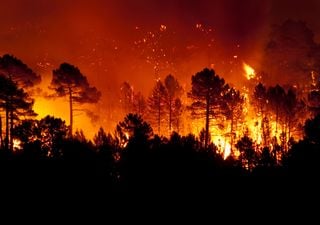
A new study links the occurrence of wildfires and air quality, a topic that has not been well explored until now. Discover more with us!

Red-eyed cicadas have been invading Chicago since last May, forcing residents to wrap trees in nets to protect them. The preventive measure aims to avoid damage to younger trees.

It was once thought that Wales was devoid of dinosaur remains. A major fossil finding in Wales now shows that "dragon" dinosaurs and other prehistoric life that once roamed these lands.
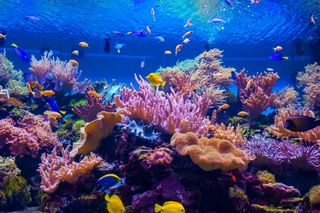
Ocean temperatures are on the rise, reaching temperatures this week that we did not see last year until June. Significant impacts are likely to be felt in the warmer months this year as the trend continues.
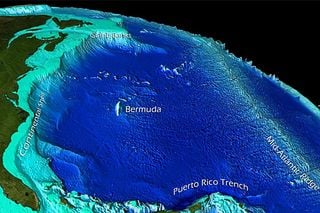
New study finds that the shape and depth of the ocean floor explain up to 50% of the changes in the depth at which carbon has been sequestered in the ocean over the past 80 million years.

A nova explosion in a binary system 3,000 light years away will create a new, albeit temporary, star visible to the naked eye.

This stunning national park is home to a "unique desert" in Brazil, where vast white dunes intersect with turquoise lagoons, creating a landscape that seems straight out of another planet.
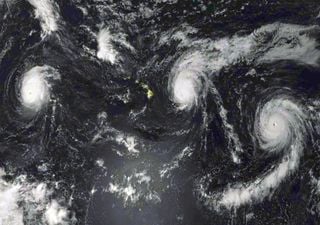
A recent study reinforces the idea that anthropogenic climate change generates more intense tropical cyclones (tropical storms, hurricanes, typhoons, etc.) that support stronger maximum sustained winds.
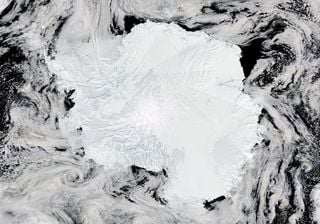
In one area of East Antarctica, the ice has remained stable and even grown slightly for almost a century, although scientists are seeing early signs of weakening.
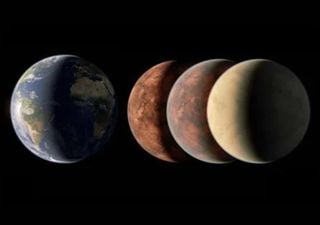
The planet Gliese 12 b is located 40 light years away from our planet, and within a habitable zone with respect to its star Gliese 12. They define it as "the closest world, in transit, temperate and the size of the Earth up to the date".