
Algae could help remove microplastics from drinking water, scientists say
Microplastics slip through most water treatment systems because they're just too small to catch. A team in Missouri has engineered algae that grab onto them instead
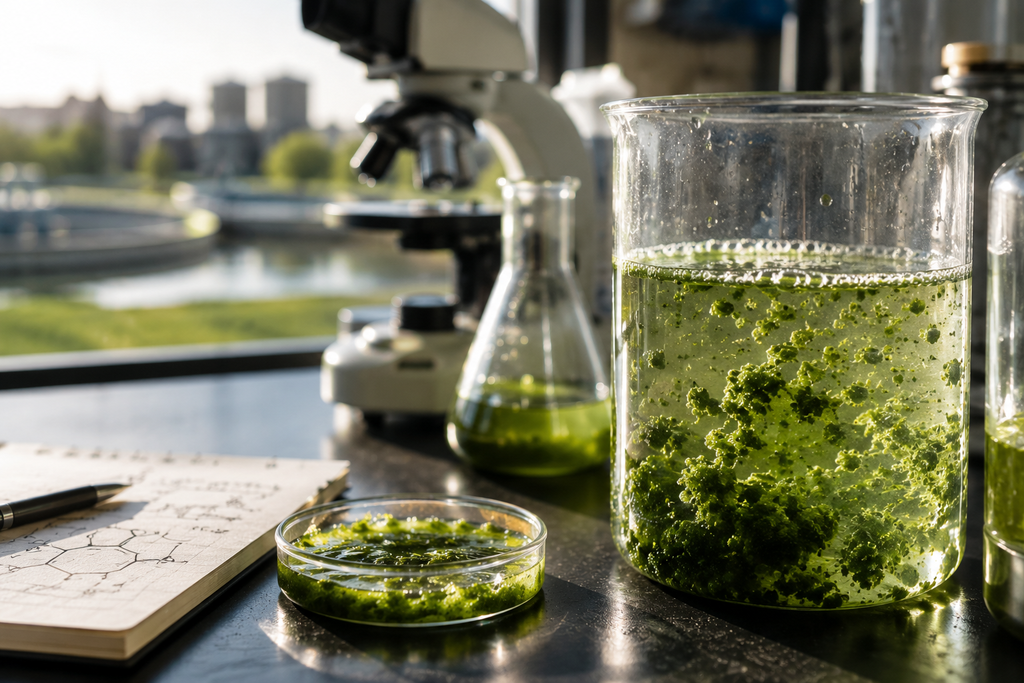
When it comes to microplastics — the tiny fragments that end up in rivers, lakes and eventually drinking water — wastewater treatment plants aren't equipped with the resources to catch it. Anything smaller than the stuff visible to the naked eye just sails straight through because the filtration systems were never designed to deal with particles that small.
It's been a known gap for years and nobody's come up with a particularly good fix for it yet, partly because trying to mechanically filter out something that tiny from millions of litres of water is exceptionally expensive.
However, a researcher at the University of Missouri has been trying something completely different, and the results suggest it might actually be a goer.
Is algae the answer?
Rather than filtering microplastics out, Susie Dai, a professor in the College of Engineering, has genetically modified a strain of algae to produce limonene — the natural oil you can smell when you peel an orange. What this does is change the algae's surface so it repels water in the same way microplastics do.
That water-repelling property is what makes this work, the researchers say, because when two things in a liquid environment both repel the liquid around them they end up drawn to each other instead. This means the algae and the microplastic particles essentially stick together and form clumps heavy enough to sink to the bottom where they can be collected and removed.
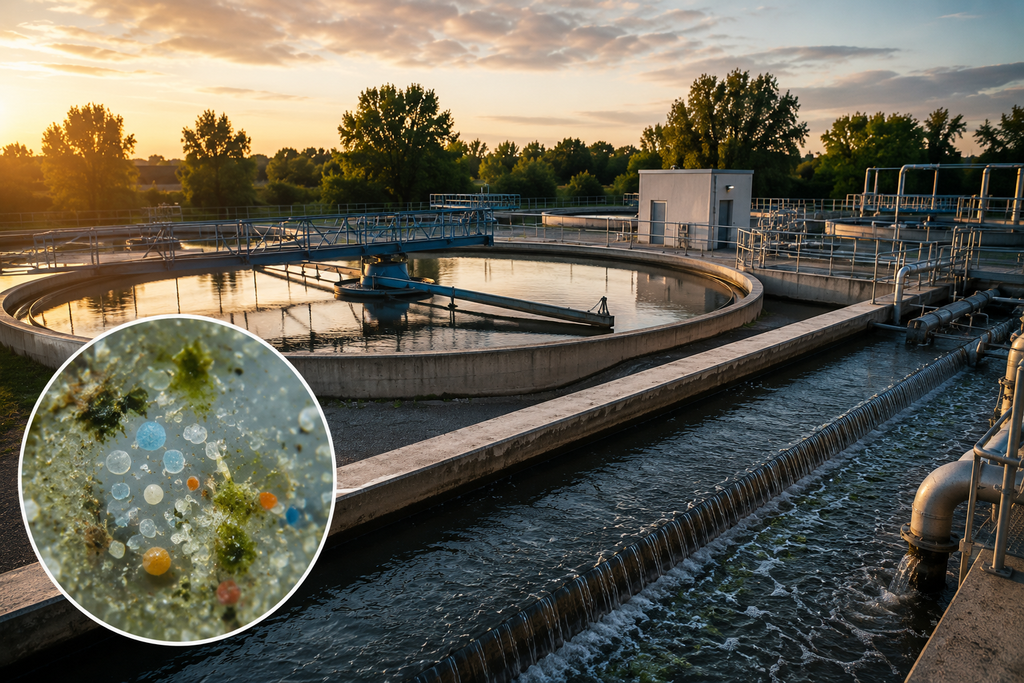
Dai described it as working almost like a magnet, and the fact that it happens passively without needing any mechanical intervention or chemical treatment is what makes the approach interesting from a practical standpoint.
The algae also grow happily in wastewater and absorb excess nutrients while they're at it, which means they're pulling double duty — capturing plastic and cleaning up the water chemistry at the same time — and Dai reckons there's a third benefit too, because the collected microplastic material could potentially be recycled into bioplastic products like composite films rather than just being dumped somewhere else.
"By removing the microplastics, cleaning the wastewater and eventually using the removed microplastics to create bioplastic products for good, we can tackle three issues with one approach," she said.
Getting from lab tank to treatment plant
Dai's lab already runs algae in large tank bioreactors, including a 100 litre system they've nicknamed Shrek that currently processes industrial flue gas for separate air pollution research. Bigger versions of the same setup could eventually be adapted for use in wastewater treatment plants, though Dai says the work is still in its early-stages, so getting it integrated into real infrastructure is a long way off.
"Currently, most wastewater treatment plants can only remove large particles of plastic, but microplastics are so small that they slip through and end up in drinking water, polluting the environment and harming ecosystems," she said.
News reference:
Scientists say this algae could remove microplastics from drinking water, published by University of Missouri-Columbia, published May 2026.