
Goodbye forever! The IUCN confirms six animals declared extinct in 2025
In 2025, the official extinction of at least six animal species was confirmed. A short list in numbers, but profound in meaning. Life is being lost faster than we can fully comprehend.

Some losses make no noise. They do not come with urgent headlines or viral images. They simply happen. And when they are finally named, it is no longer recent news or a timely warning, but a delayed confirmation that a form of life has disappeared without witnesses.
Since 1964, the IUCN Red List of Threatened Species has become the most comprehensive source of information in the world on the global conservation status of animals, fungi, and plants. It is a barometer of life. Extinctions are not declared lightly.
For a species to be considered extinct, decades must pass without confirmed observations, after exhaustive searches in their historical habitats. When a name crosses that threshold, it is not just another statistic. That name marks the final closure of an evolutionary story that will not repeat.
Currently, over 48,600 species are officially endangered, representing 28 percent of all evaluated species. Among these at-risk groups, some, like reef-building corals, show even higher rates of threat. These percentages not only reflect biodiversity loss but also highlight vulnerability.
Thinking about extinction in the present is painful because it shatters a deeply human illusion. We believe there will always be time to act. But these species did not vanish overnight. They faded slowly, as their world changed around them, until absence was no longer a possibility but a closure.
Where life stopped
The Slender-billed Curlew was a migratory bird that for centuries roamed Eurasia and North Africa. With a slender silhouette and curved bill, it inhabited wetlands and coasts now deeply transformed. Its soft, melancholic, and rare call was as easy to lose among the landscape as the bird itself. The last confirmed record dates from the mid-1990s. Since then, silence.
Another particularly symbolic case is the Christmas Island shrew, a small insectivorous mammal endemic to an Australian island. As discreet as it was vulnerable, it was last seen in the 1980s. Its extinction resulted from a combination of threats: invasive species, introduced diseases, and the progressive alteration of its environment.
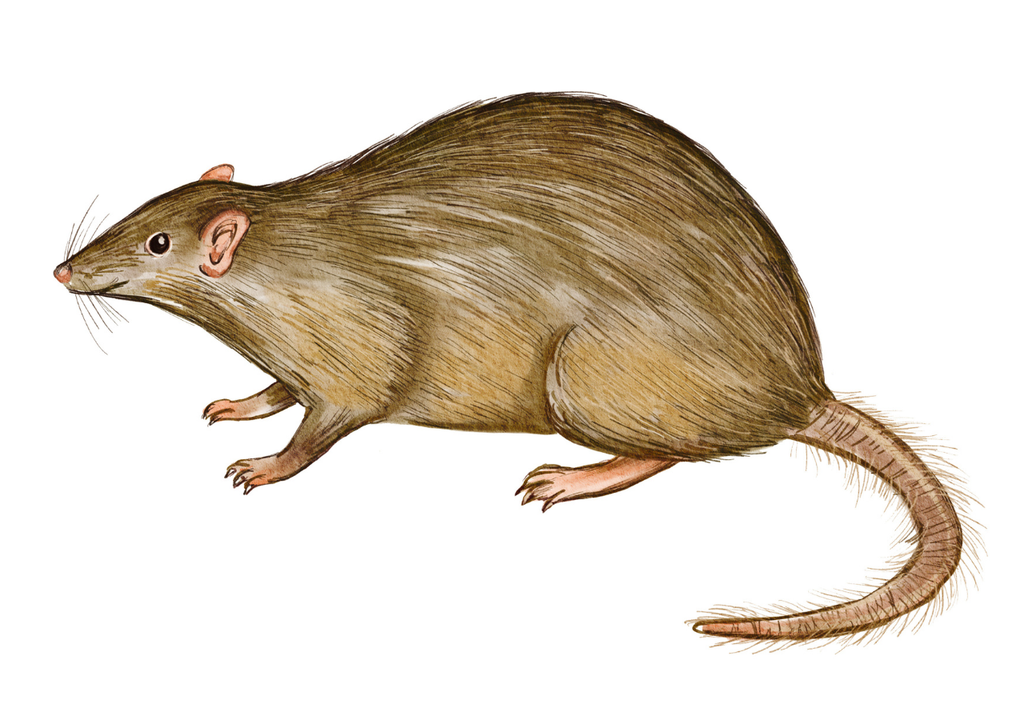
Indeed, Australia accounts for a significant portion of these losses. The IUCN also confirmed the extinction of three species of bandicoots, small nocturnal marsupials adapted to very specific environments. These small animals survived extreme climates for thousands of years.
However, they could not withstand the arrival of introduced predators, habitat fragmentation, and accelerated landscape changes. Their disappearance is part of an alarming trend: Australia is one of the continents with the highest number of recent mammal extinctions.
The list is completed with a marine invertebrate, a sea snail belonging to a group largely invisible to the general public but crucial for ocean biodiversity. Conus lugubris, a unique cone snail from the coasts of São Vicente (Cape Verde), was officially declared extinct after decades without sightings. The last confirmed record dates from the 1980s.
The disappearance of this sea snail is mainly linked to coastal habitat destruction on the island. Most extinctions occur far from the media spotlight. Invertebrates, amphibians, small mammals, and island species often vanish almost unnoticed until it is too late.
What does not return
The IUCN has long warned that the current rate of extinction is far higher than the natural background rate, driven primarily by human activities. Habitat destruction, invasive species, overexploitation, pollution, and climate change are pushing species to the brink.
We are losing biodiversity faster than we can protect or even understand it. Some species vanish silently, almost imperceptibly. Yet even the smallest forms of life sustain the balance of entire ecosystems. And what exists today could become another definitive farewell tomorrow.