
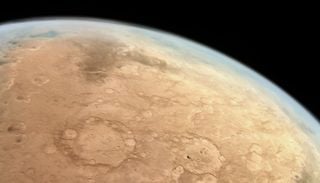
The atmosphere of Mars is very different from that of Earth. It is rich in CO2, strong winds blow and huge dust storms form that cover much of the Red Planet.

After earning a degree in Physical Sciences from the Complutense University of Madrid and specializing in Atmospheric Physics, he focused his professional career on meteorological communication and science outreach. He worked as a weather presenter at Antena 3 Television before joining the Radio Nacional de España program “No es un día cualquiera”, where he continues to contribute today. He is also the weather presenter for “Agropopular” on COPE.
He combines his work as a meteorologist for Meteored Spain with regular appearances on radio and television, including “La aventura del saber” on La 2 de TVE. He is one of the founders of ACOMET (Association of Meteorological Communicators) and serves on the Board of Directors of the Spanish Meteorological Association (AME). He participated in the XXXI Spanish Antarctic Campaign (2017–2018), has taught Aviation Meteorology, and has directed summer courses at the University of Cantabria, the University of the Basque Country, and the Menéndez Pelayo International University.
In 2022, he received a “Special #Ecólatras Award” from Ecovidrio, presented to the community of weather presenters during the 23rd edition of its awards. He also received two honorable mentions in the 2006 and 2014 editions of the “Ciencia en Acción” competition.
Since 2013 he has been a consultant to the World Meteorological Organization (WMO). He regularly gives lectures, participates in Naukas science outreach events, and publishes articles in magazines such as “Muy Interesante”. As of October 2026, he has written 12 books on weather and climate. His personal website, Divulgameteo, is one of the leading online resources for meteorology. On social media, he can be found at @Divulgameteo.
The atmosphere of Mars is very different from that of Earth. It is rich in CO2, strong winds blow and huge dust storms form that cover much of the Red Planet.
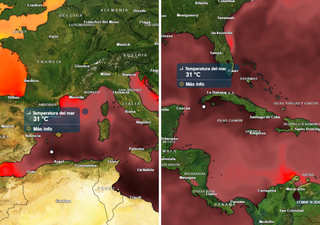
The persistent, intense heat this summer is driving exceptional warming across the Mediterranean Sea, with water temperatures reaching levels comparable to those typically found in the Caribbean.
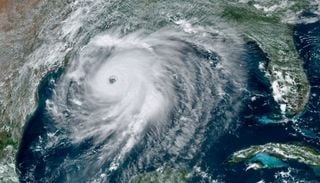
Tropical cyclones have different names depending on the ocean basin where they form. They differ substantially from extratropical cyclones (storms): we explain them here.
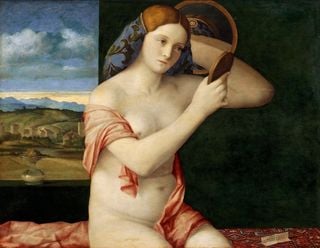
In the miniature landscapes seen through the windows painted in some paintings, we see skies rich in nuances, with a wide variety of atmospheric elements.
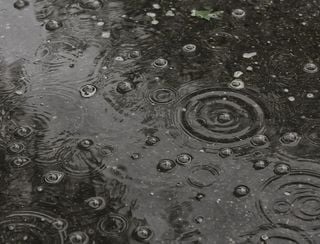
Both air bubbles trapped in liquid water and those found in glacial ice are an interesting source of meteorological and climate information.
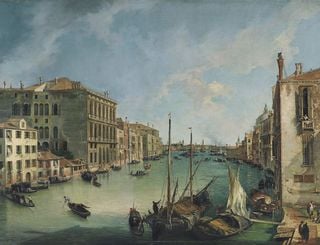
An analysis of Canaletto and Bellotto's detailed paintings of Venice reveals how much the lagoon's water level has risen from the 18th century to the present day.
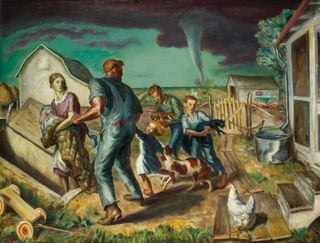
The art world is not short on depictions of tornadoes in paintings and drawings, constituting a valuable resource. In this article, we'll explore some of these works.
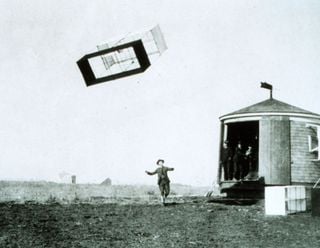
Kites began to be used for meteorological analysis and experiments throughout the 19th century, and some even carried instruments. Their decline began about 100 years ago.
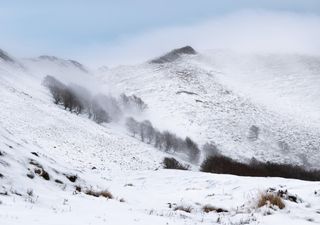
Apart from snow and hail, there are other lesser-known ice meteors that also precipitate and which we will explain in the following lines.
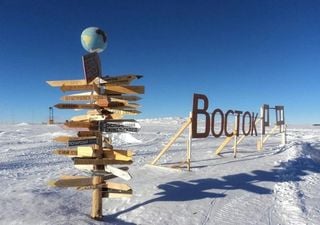
The Earth's cold poles do not coincide with the geographic poles. They are located on inhospitable and frozen plateaus, and the most surprising thing is that some of them are inhabited.
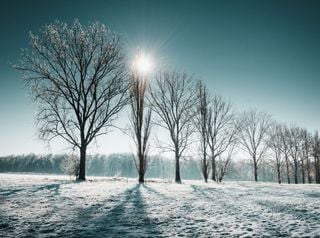
Throughout the month of January, the length of the days is becoming more and more evident. The hours of sunshine gain 2 minutes each day that passes.

In the absence of definitive data, 2024 will be the warmest year in the historical series. It has also been notable for the magnitude of climatic extremes, such as the Valencia cold snap.
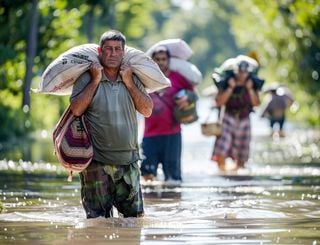
There are more and more climate shelter initiatives in cities, as well as migratory movements of the population forced by climate extremes.
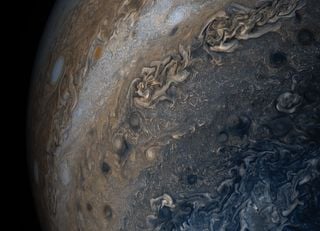
On planets with an atmosphere in the solar system we find clouds similar to those on Earth, not only made of water, but of many other compounds.
The etymological origin of the terms climate and meteorology takes us back to classical Greece and contains some curiosities. Today many people continue to confuse both terms.
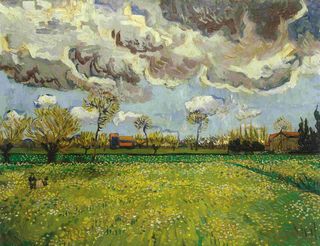
Cumulus clouds, as the maximum exponent of spring clouds, abound in the paintings. Painters like Monet, Pissarro and Van Gogh portrayed them.
For the first time since records began, there have been twelve consecutive months with global average temperature anomalies that have exceeded the degree and a half established by the Paris Agreement.
Hadley cells are a key player in heat transport in the atmosphere. Its expansion is increasingly evident, due to global warming.