
Astronomical events of October 2026: meteor showers and lunar occultation of Jupiter
The Moon will completely obscure the planet Jupiter across most of North America this month, which won’t recur for almost a decade. A brilliant Saturn and two meteor showers round out the astronomical calendar.
Skygazers, prepare! The month of October has a number of astronomical spectacles lined up, commencing with Saturn reaching opposition on the 4th. With the ringed planet directly opposite the Sun (from an earthbound vantage point), it will appear the closest and brightest of the year. Look out for Saturn’s rise in the southeast around sunset, and will remain visible all night, ultimately setting around sunrise.
For early risers on the 5th, keep looking east. A crescent moon, a reddish Mars, and the star Regulus will all appear clustered near the setting Saturn. The next morning, October 6th, the same waning crescent Moon will pass directly in front of the planet Jupiter. This particularly rare configuration will hide the planet completely from view for the eastern two-thirds of the U.S. Don’t expect to see this lunar occultation again in parts of North America until at least 2034.
Meteor showers and a darkened sky
On October 8th and 9th, the Draconid meteor shower will peak around 9PM EDT as shooting stars appear to streak from the constellation Draco. While this particular meteor shower tends to be quieter, its occurrence near a new moon optimizes viewing conditions. The new moon phase officially occurs on the 10th, so look out for the Milky Way’s core in the evening sky.
October's sky offers a progression of planetary sights from dusk to dawn: elusive Mercury in the early evening, Saturn through most of the night, Mars after midnight, and Jupiter before sunrise - with a rare lunar occultation of Jupiter providing the month's standout. pic.twitter.com/SoJ5dfROei
— Nature's Beauty (@Nature_Beauty11) October 2, 2026
Mercury will reach its maximum eastern elongation on October 12th, putting it the furthest apparent distance from the Sun. Keep an eye out for the closest planet to the Sun just after sunset in the western skies.
After a quieter mid-month window, astronomical activity will pick back up the night of October 21st as the Orionid meteor shower peaks. This event will favor the earlier risers, as a waxing gibbous moon will wash out the starry skies early in the night. Expect optimal viewing in the predawn hours after the moonset, with up to 20-40 meteors per hour potentially visible across darkened October skies. Most will appear to emanate from the constellation Orion.
A brighter finale
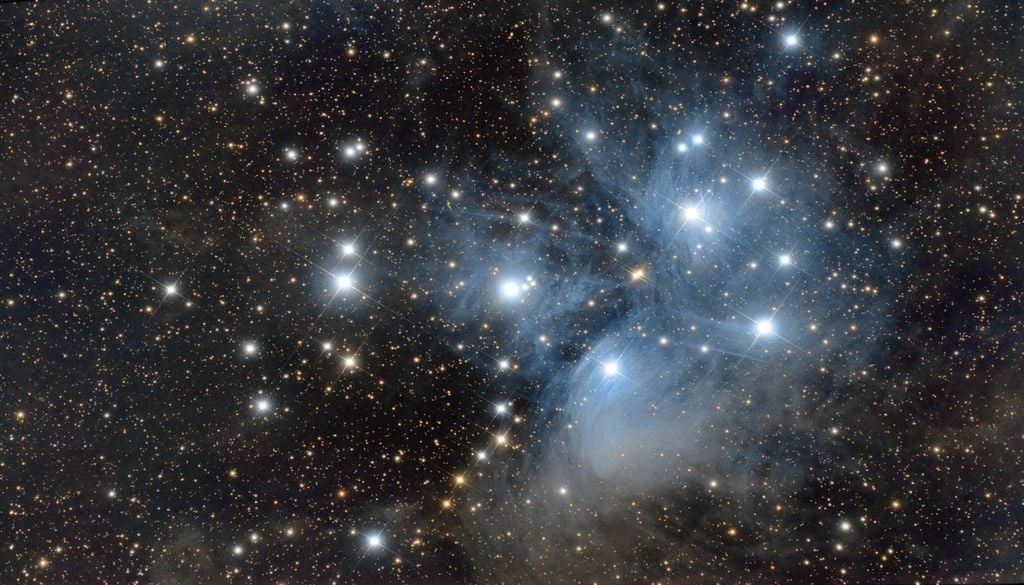
On October 26th, the moon phase will wax to a full Hunter’s Moon, named so for the extra post-sunset light historically sought by hunters as they track game and prepare for a long winter. As the waning gibbous moon traverses the late October skies to round out the month, it will pass near the winter-heralding star cluster Pleiades.
Known as the Seven Sisters, the easily-recognizable formation sits about 440 light-years from Earth amidst the constellation Taurus. Look towards the east on most autumn and winter nights to spot the somewhat bluish patch that generally appears fuzzy or misty against the autumn night.