
Guanajuato's "colonial air conditioning": How its narrow streets stay cool without modern technology
Thanks to the layout of its streets and its terrain, Guanajuato is not only a romantic destination but also a city naturally designed to maintain a pleasant atmosphere for most of the year.
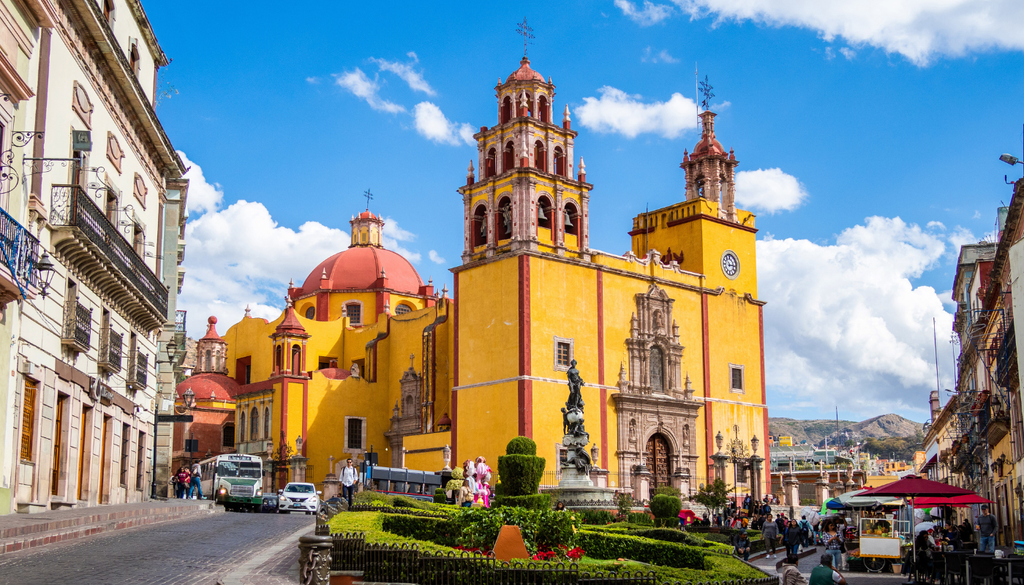
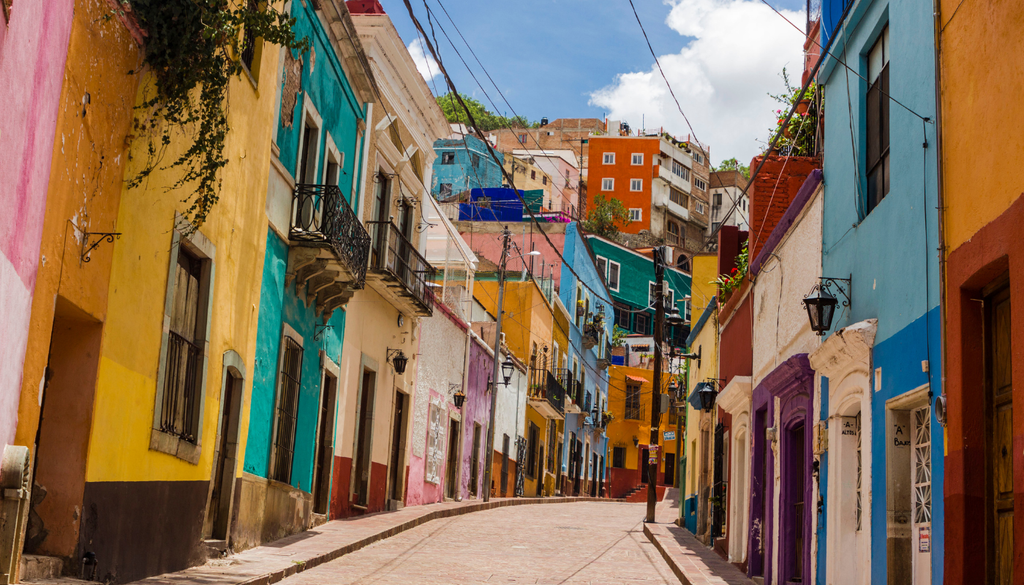
This romantic destination, nestled in the heart of Guanajuato, is one of the state's most iconic places, recognized both nationally and internationally. Its architecture and the close spacing of its colorful facades have inspired countless legends and romantic landmarks, including the famous Alley of the Kiss.
The city's narrow streets and grand colonial homes, with their high ceilings, thick stone or adobe walls and impressive central courtyards, create a natural system of cross ventilation and a chimney effect.
This design, dating back to the colonial era, allows buildings—including homes and businesses—to maintain a pleasant indoor temperature. It is a natural way of replicating the cooling effect of modern air conditioning.
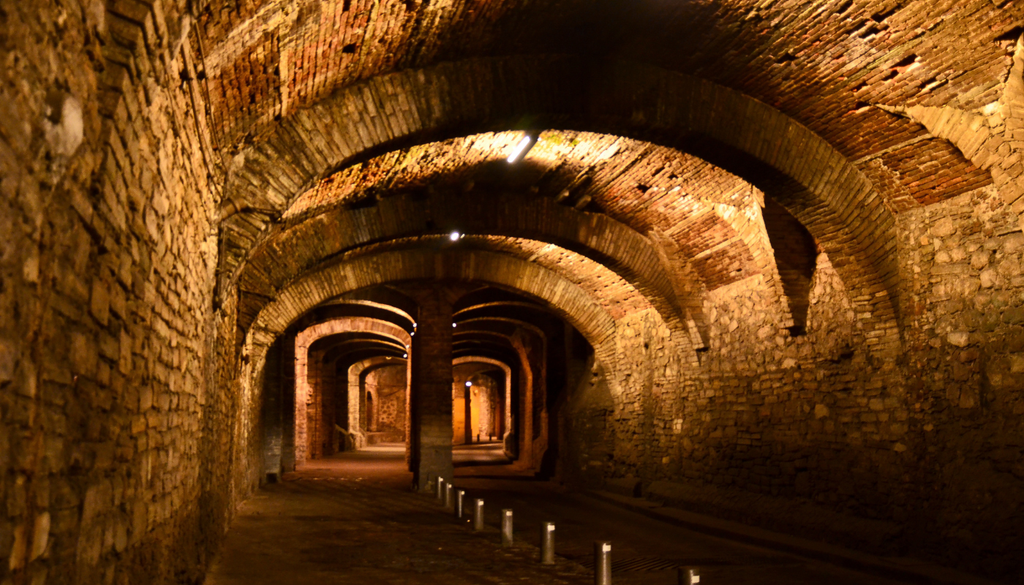
Accelerated air currents naturally form throughout its intricate network of streets. The contrast between the cooler air within the narrow streets and the warmer air exposed to direct sunlight further strengthens this airflow.
More than 5 miles of interconnected streets
These passageways were originally built to divert the river's flow and help prevent flooding in Guanajuato's tunnels. This colonial labyrinth is built primarily with stone walls, creating a sturdy and long-lasting structure.
The lack of direct exits along many sections of these passageways, combined with significant pressure differences caused by changes in elevation and temperature, as well as the way the air is funneled through them, creates strong, cool breezes that make visitors feel as if they are walking through a wind tunnel.
An ambitious project that began in 1963
Construction of this remarkable underground street system began in 1963. The ambitious project aimed to enclose the river and pave over it to improve the city's infrastructure. It was designed to solve Guanajuato's long-standing flooding problems.
Throughout the route, visitors and locals admire the city's massive stone arches, which have remained remarkably well preserved despite the passage of time and have become one of Guanajuato's signature attractions. These arches tell part of the story of the city's engineering and architectural heritage.
History, adventure and culture around every corner
Exploring Guanajuato's streets offers visitors an experience that blends adventure with history and culture. Walking through these picturesque streets feels as though time has stood still, transporting you to another era.
It is a unique place where visitors can enjoy a naturally cool atmosphere while discovering the city's authentic character, far from the bustle of wide avenues and busy roads. If you have the chance, it is well worth adding this destination to your next vacation—or escaping there for a weekend getaway.