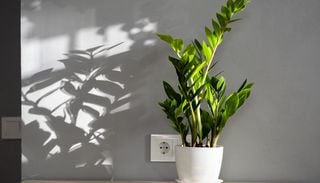
Once highly valued in offices for its robustness and ease of maintenance, it is now a star of interior decoration.

Once highly valued in offices for its robustness and ease of maintenance, it is now a star of interior decoration.
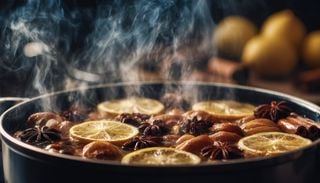
Many ingredients still retain an intense fragrance. With just a few minutes of preparation, they can become a simple way to naturally scent your home.
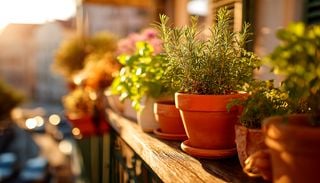
Our gardens suffer during prolonged periods of intense heat. However, a few simple measures can help limit the damage and losses.
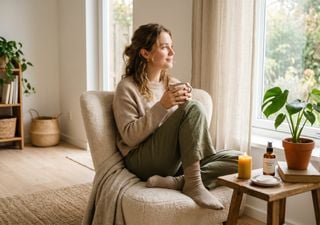
Resilient, easy to care for and visually striking, these plants are set to become stars of interior decoration and apartment living over the coming months.
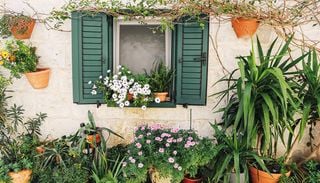
During heat waves, potted plants lose moisture quickly. There is a simple trick that helps reduce water evaporation and keep plants hydrated for longer.
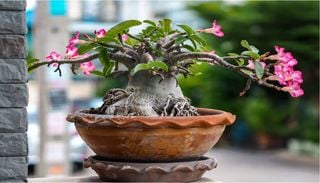
Sun-loving potted plants that can withstand intense heat and several hours of direct sunlight without getting scorched. Discover six options here.
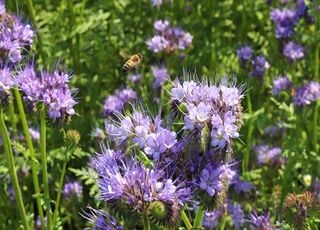
Gardening is a wonderful escape. But when insects or fungal diseases appear, it can quickly become disappointing. Here are some tips for tackling these common problems naturally.
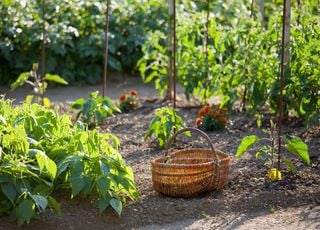
Growing a vegetable garden is a great idea, as long as the soil isn't excessively clayey, for example! Here are some tips to enrich it naturally and effectively over the coming months.
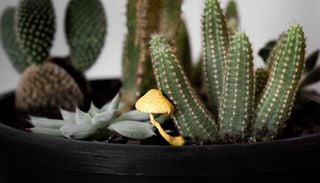
Mushrooms are associated with dead and decaying things. So, when they appear in plant pots, it can be a major reason for worry. But here's where experts differ.
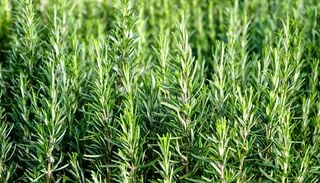
Evergreen, fragrant and hardy, rosemary is one of the most popular aromatic plants to grow in summer: here are the essential tips for keeping it healthy and vigorous.
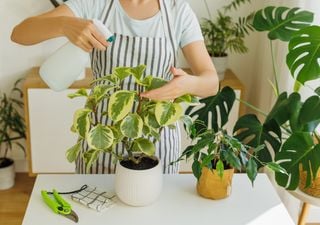
A homemade and inexpensive remedy, baking soda can help control fungi, pests, and balance the pH of your indoor plants.
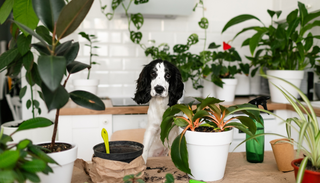
Having beautiful plants at home while living with dogs or cats is absolutely possible. Today, there are many safe options that can bring life to your spaces without putting your pets' health at risk.