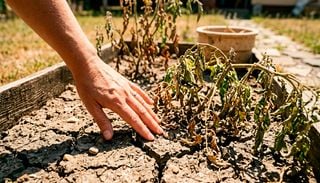
A wilted plant isn’t always a lost cause. Before throwing it away, there’s a simple emergency method you can try to rehydrate it, restore its vitality, and see if it can still recover.

A wilted plant isn’t always a lost cause. Before throwing it away, there’s a simple emergency method you can try to rehydrate it, restore its vitality, and see if it can still recover.
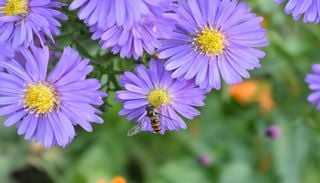
Late-season colourful delights and pollinator stop-offs: essential autumn planting for a colourful display and for feeding precious pollinators.

Fall flowers aren’t limited to chrysanthemums and other seasonal plants. These four shrubs are also among the options: they can be planted now and bloom, at least in part, during this time of year.

There is one species capable of thriving in spots where many other plants struggle. It tolerates low light, requires little care, and can live indoors for years.
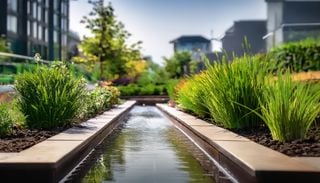
Cities are looking for ways to combat flooding caused by torrential rainfall. Here’s how rain gardens—small green spaces designed to capture stormwater—help ease pressure on drainage systems and reduce the risk of urban flooding.
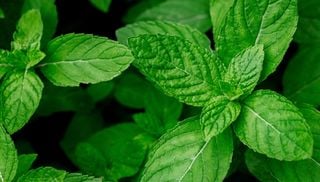
Mint grows so well in the garden that this is precisely where the problem begins. The way it spreads explains why growing it in a pot indoors can save you trouble and, with the right care, keep a steady supply of fresh leaves.

How does a tree more than 70 meters tall manage to transport water all the way to its leaves during a drought? Some of these forest giants have remarkable secrets that help them survive.

Although spring 2027 is still months away, some of its flowers are already taking shape this September. If you’re thinking about planting before temperatures drop, these five shrubs should be on your list.

Its leaves look hand-painted, but keeping their colors vibrant can be a challenge. Learn how to care for this plant and make it the star of your garden.
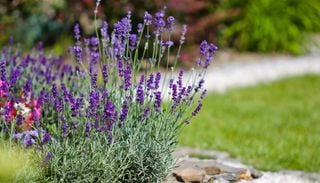
We should prepare for next summer. The coming fall and winter are ideal times to plan and redesign the garden, as there are resilient plants that can withstand the heat.

Green roofs can reduce urban heat, but their effectiveness depends on the vegetation surviving. Lack of maintenance, drought and extreme temperatures can cause it to die off.

Keeping our gardens watered and doing so ethically, and with the environment and the changing weather in mind, means conserving what we have.