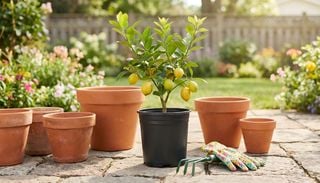
A balcony or terrace can also become the perfect place to grow a lemon tree that can flower and produce fruit.

A balcony or terrace can also become the perfect place to grow a lemon tree that can flower and produce fruit.

Having your own tree in the garden, on the terrace or in a small front garden does not always have to remain a dream. There are actually several trees that are not only particularly small, but also space-saving.
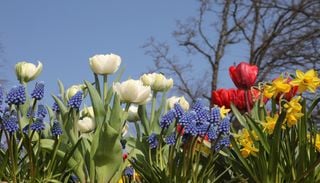
Help keep your plants, borders, and veg beds, tidy, trim, and ready for the coming year of growth ahead.
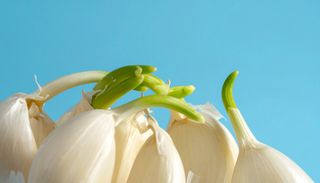
Three easy ways to plant garlic on your balcony or in the garden, care for the sprouts, and grow large, flavorful bulbs using what you already have in your kitchen.

Autumn is just around the corner, and with it comes the pressing question of how and when we should best prune our shrubs, perennials and trees. Ideally, pruning should be tailored to the particular plant species.
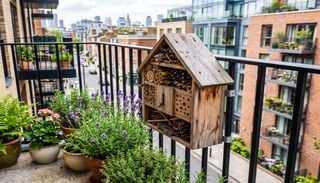
Turning your balcony into a haven for bees and other pollinators is simple: just choose flowering, nectar-rich plants that provide food, color and biodiversity.

From a small tropical tree to a large pod packed with seeds: five interesting facts about the plant that produces one of the world’s most beloved foods.
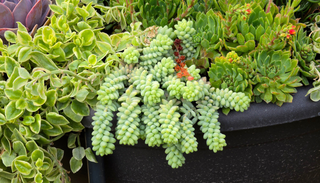
A beautiful balcony doesn’t have to be a headache. With the right plants, you can fill it with life even if you have limited space, little experience, or sometimes forget to water.

Short on space for more plants? These three species make use of height, free up surfaces and can completely transform the feel of a corner.

Improperly pruning your lavender can weaken the plant and reduce future blooms. Knowing which mistakes to avoid, and how to prune it correctly, is the best way to keep it healthy, compact, and filled with fragrant flowers.

With an unmistakable fragrance and thousands of flowers that fill the air with their scent in spring, this giant does more than beautify green spaces: it is also one of the most widely used medicinal plants. Here’s how to grow it at home and harvest its flowers.

Extreme summer heat can leave your plants wilted and weakened. Learn how to identify heat stress and provide the care they need to regain their vitality during the summer.