
Seven things you should do with your plants before a tropical storm or hurricane
Before a tropical storm or hurricane arrives, it's important to prepare your garden. There's no need to panic, but rather make simple adjustments to prevent your plants from dying.
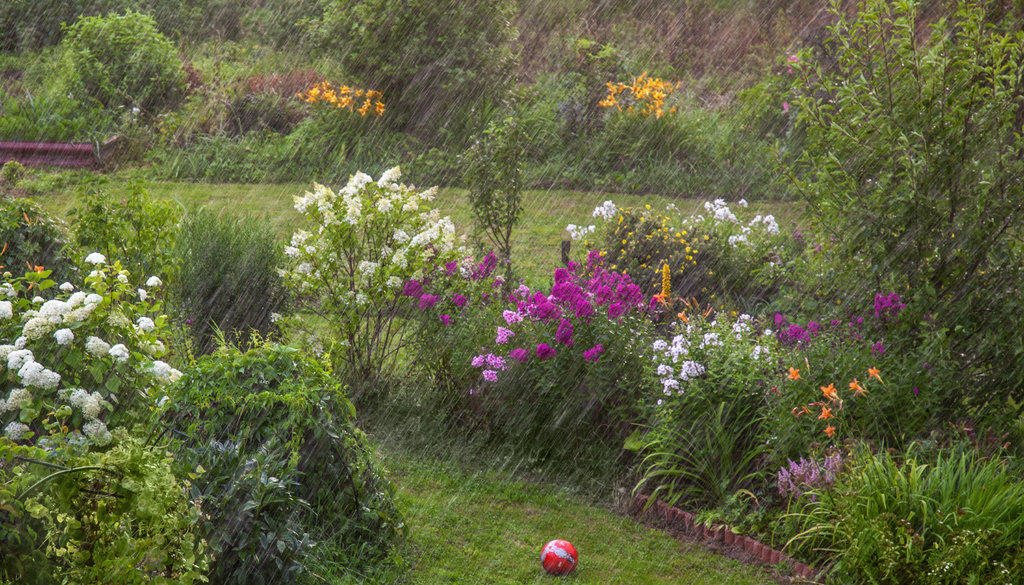
The 2026 hurricane season has already begun, and as always, prevention is better than cure. A single well-placed storm can cause severe damage to our gardens, patios, and urban orchards. In Mexico, the Eastern Pacific is also a particularly important area for the formation of cyclones, heavy rains, and prolonged storms.
When we talk about hurricane damage, we immediately think about protecting roofs and windows or preventing flooded streets and power outages. But we rarely think about plants.
The problem isn't just the wind. There's also accumulated rainwater, lack of oxygen in the soil, the weight of water on weak branches, and the washing away of potting mix. Plants suffer stress, excess moisture, and physical damage all at once , which is why it's advisable to prepare them beforehand, not after the water has already fallen.
The good news is that you don't need to undertake a huge project or spend a fortune. Many tasks are quite simple: tidying up, pruning properly, checking drainage, moving pots, and protecting delicate plants. Prevention really starts with small things done on time .
So before the alarm sounds, it's worth doing a quick check of your garden or vegetable patch. These 7 steps will help your plants have a better chance of withstanding wind, rain, and flooding.
Before the wind: pruning, flowerpots, and objects that can fly
The first task is to properly inspect and prune trees and shrubs , but carefully. This doesn't mean stripping the tree bare or doing extreme pruning 24 hours before the hurricane. Ideally, it should be done in advance, removing dry, broken, crossing, or very long branches.
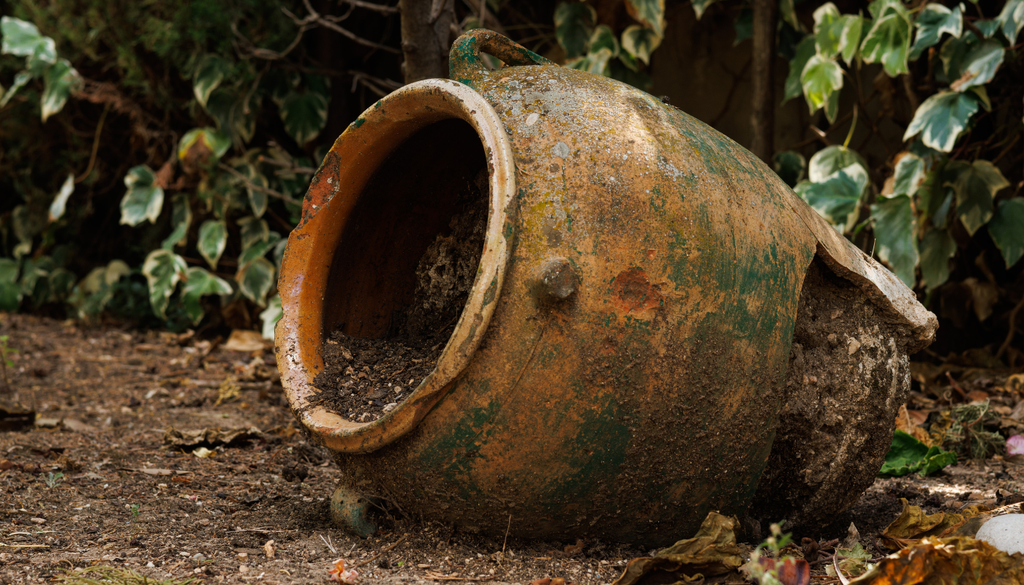
Next come the potted plants, which are usually the first to suffer. Secure or store as many pots as you can , especially those made of lightweight plastic or brittle clay. Small pots can go in the bathroom, basement, or hallway. Large pots can be placed against a wall, grouped together, and, if necessary, tied to a support.
We also need to clear the garden of loose objects . Tools, plant supports, hoses, tables, chairs, bags of potting mix, trays, empty pots, and various decorations can be blown around and break plants or windows. It may seem exaggerated, but with strong gusts of wind, any light object becomes dangerous.
The fourth step is to assess the health of large trees . Check for cracks, fungus at the base, unusual leaning, raised roots, hollows in the trunk, or very heavy branches leaning to one side. These signs can indicate a risk of falling, especially if the ground becomes waterlogged.
Water, protection, and evidence: what you should have ready before heavy rain
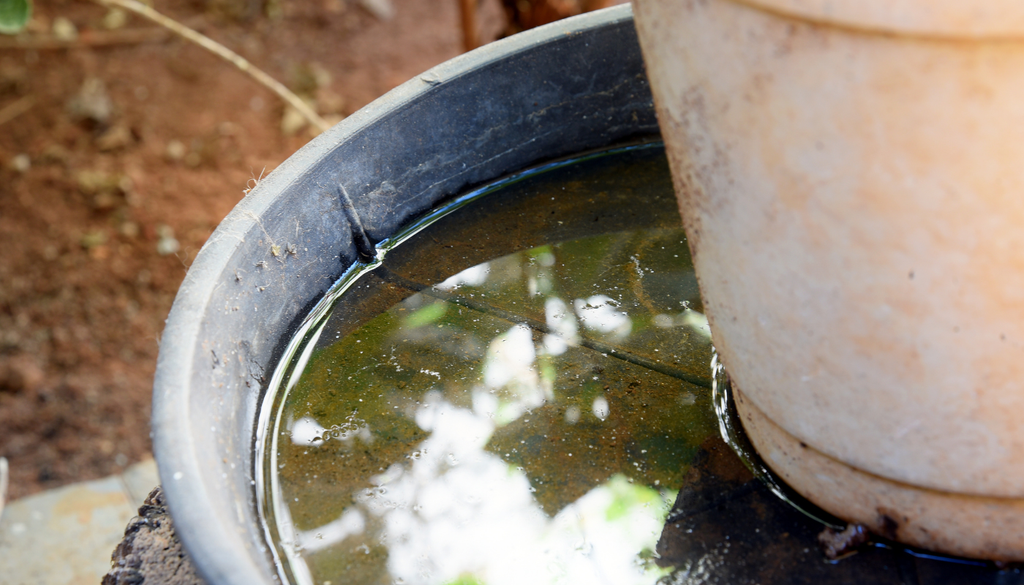
The fifth step is to turn off the irrigation system and check the drainage . If you already know heavy rain is coming, there's no point in continuing to add water. Saturated soil loses oxygen, the roots can't breathe, and problems like fungal rot increase.
You can also protect delicate plants with well-anchored covers . Use shade cloth, frost protection fabric, old sheets, or a lightweight tarp, but make sure it's securely fastened on all four sides. Don't put loose plastic on top, as it can act like a sail and pull up stems. The cover should protect the plant without crushing it or blocking ventilation .
The last point is often overlooked, but it's incredibly helpful: take photos and document everything in your garden before the storm . Photograph trees, pots, structures, your irrigation system, vegetable garden, furniture, and any plants of value. Keep the date and, if you have homeowner's insurance, retain receipts or proof of purchase for plants, equipment, or installations.
At the end of the day, preparing your garden before a tropical storm or hurricane is a smart combination of common sense and good gardening. Prune what's necessary, store anything that could be blown away, reduce watering, let the water drain, and protect the most vulnerable parts . Your garden won't be invincible, but it will be better prepared when the storm hits.