
Gardeners warned mowing too late in autumn could damage their lawn for months
Mowing too late and too much might just hinder lawn growth in the new year rather than allow it to flourish. Here are some top tips.
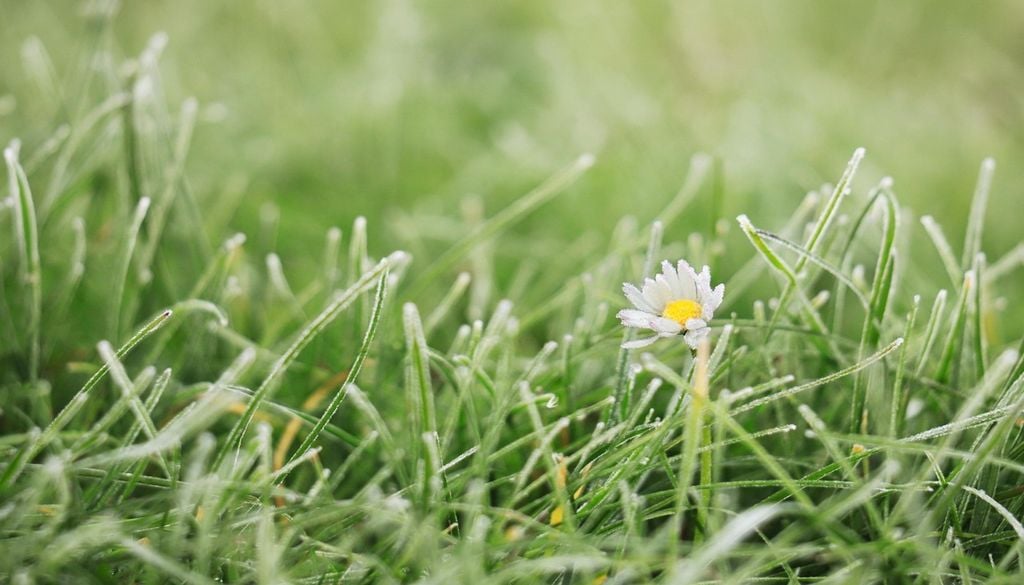
It might be tempting to mow your lawn well into the winter season, but as many gardeners will know, this is not the best way to optimise lawn health in the long run. In fact, leaving grass blades just that little bit longer than normal has a few key benefits, which will be discussed in the remainder of this article.
Why do we need to
On transitioning from the subtle warmth and slight cold of autumn into the harsher winter months, our garden plants prepare by conserving energy and sending it down into the root system. Cutting back hard for some plants leaves their base and root systems unprotected from snow and harsh frosts. The same issue goes for your lawn grass if you cut back too hard before the onset of winter.
Leaving grass just that little bit longer provides a surface barrier against harsh winter climes and protects the soil's surface. For one, this helps maintain a more stable ground temperature, which in turn helps protect root systems that might otherwise be subject to freeze-thawing (or frost heaving).
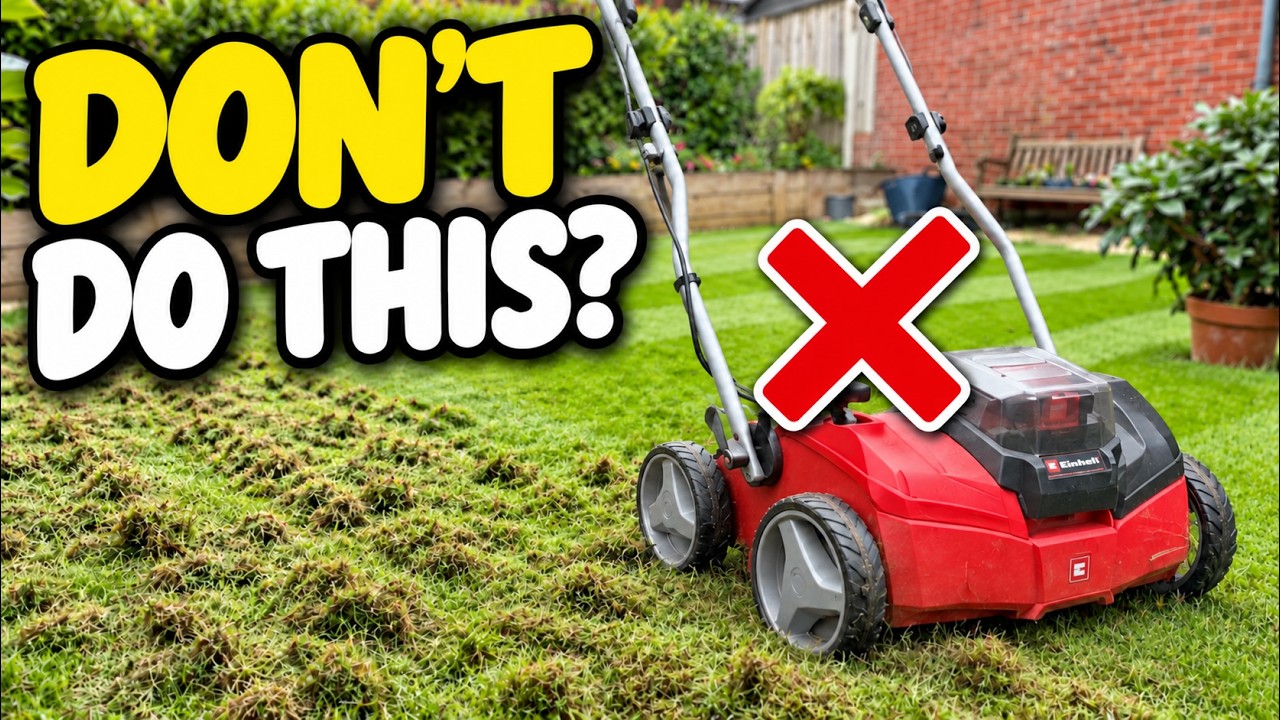
Some might say that not cutting back at all is equally detrimental to maintaining a healthy lawn, leading to matting, with leaf matter and thicker grass blocking out sunlight and encouraging moisture build-up. Lawn conditions like this encourage fungal growth and the spread of disease.
So the trick is to get the right height of grass. The RHS recommends cutting at the highest mow setting and avoiding cutting during winter dry spells, rain, snow, or when the ground is soft and wet. According to Lawnsmith, you should avoid cutting more than one-third in one cut. You might gradually cut back your lawn grass to 2 inches in October, 2.2” in November, and 2.5” in December.
Ecological benefits
Lightly managed areas of lawn allow natural breakdown of matter into beneficial soil nutrients such as potassium and nitrogen. Using the right setting on your mower can help collect and shred down leaf matter to prepare it for absorption into the ground.
Thicker grass cover provides a home for invertebrates such as overwintering bees, spiders, beetles, and other insects. Longer grass also provides cover for slightly bigger animals such as frogs, mammals, and birds searching for seeds and insect larvae. Maintaining habitats for these small animals is crucial for maintaining biodiversity in our gardens. Protecting just this small aspect of the food web provides that little bit of sanctuary our UK wildlife desparately need.