
World’s largest penguin colony near Antarctica hit by ‘alarming’ decline, aerial surveys suggests
A remote volcanic island that was once home to the biggest penguin colony on the planet has lost almost two-thirds of its chinstrap penguins, and researchers say warming seas are to blame
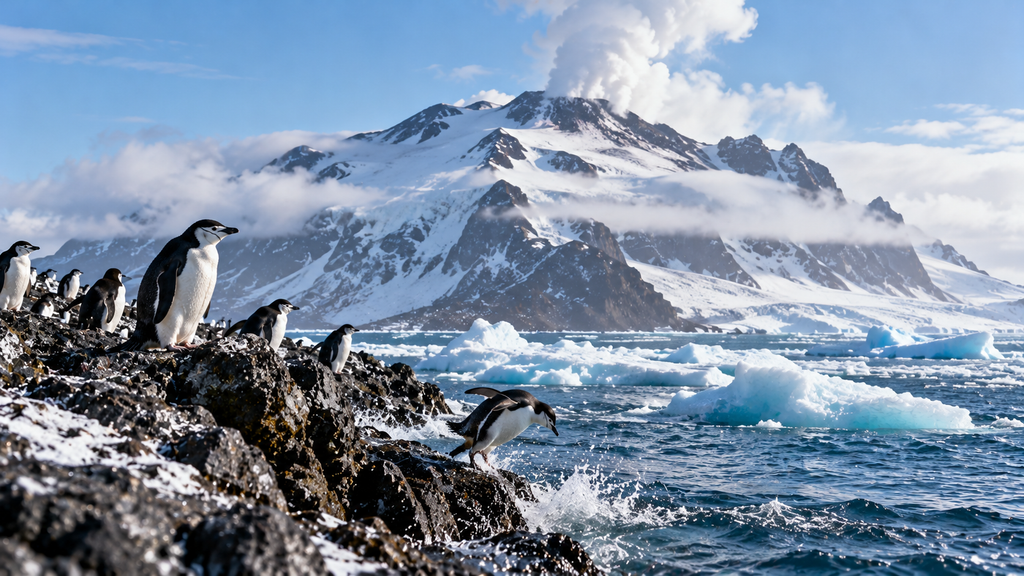
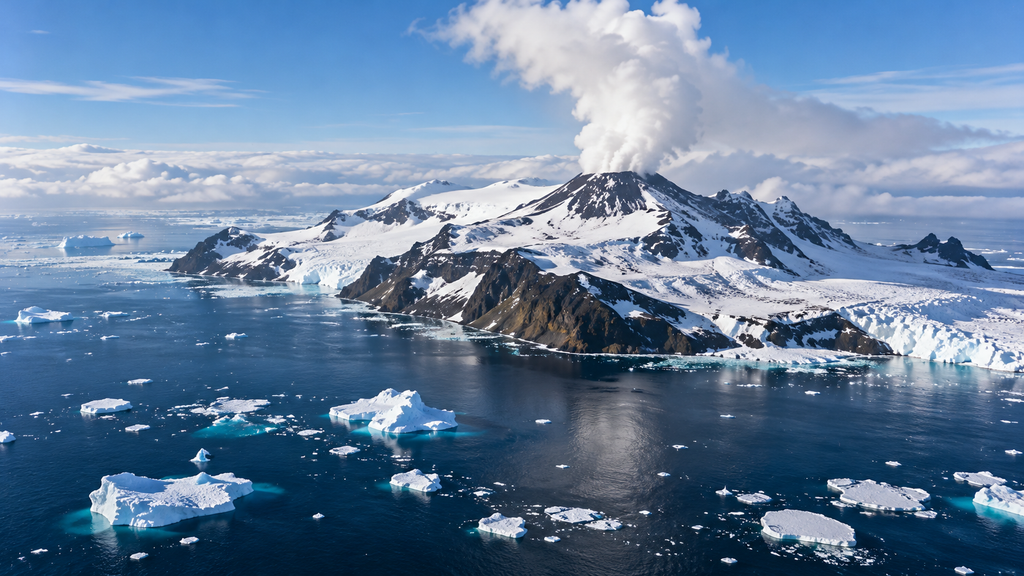
Zavodovski Island - a volcanic island part of the South Sandwich Islands north of the Antarctic continent - was declared home of the largest penguin colony in the world by the British Antarctic Survey back in 2011. At the time, it was estimated to have 600,000 chinstrap penguins and around 90,000 macaroni penguins.
However, according to a new study led by BAS and published in Current Biology, there are now almost two-third (63%) fewer occupied chinstrap penguin nests on the island than there were 15 years ago. This, the researchers say, means the island has now lost its title as the world’s biggest colony.
So where did all the penguins go?
The BAS team used drones, aerial photography and satellite imagery to count the nests, as well as fitting tracking devices to 20 birds. According to Prof Norman Ratcliffe, who led the research, the decline comes down to food. Chinstraps have a pretty specialist diet and prefer colder water, he said, and as the ocean has warmed, the krill they rely on has moved further south.
“Sea-ice cover to the south and a lack of suitable islands for nesting prevents chinstraps from following the food,” he explained.
Macaronis are doing just fine
While the chinstraps have been disappearing, the number of macaroni penguins on the island has gone up dramatically, according to the study.
The researchers think that’s because macaronis aren’t nearly as fussy about what they eat. Also, their tracking data showed them heading off to warmer waters north-east of the island, where they were likely topping up their diets with fish and other crustaceans.
Ratcliffe described it as the “biggest change in community composition ever observed at a single location in Antarctica”, and said it was “further evidence of how rapid warming in the Antarctic is impacting unique and sensitive ecosystems”.
The team now thinks chinstrap penguins could even qualify as officially endangered.
News reference
BBC News. (2026). World’s largest penguin colony hit by ‘alarming’ decline in numbers .