
The connection between vitamin K and the prevention of dementia is groundbreaking. A look behind the scenes reveals the latest findings!

The connection between vitamin K and the prevention of dementia is groundbreaking. A look behind the scenes reveals the latest findings!
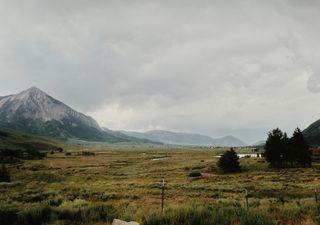
Wetland methane emissions in the higher latitudes of the Arctic and Boreal ecosystems have increased by almost 10% in the last 20 years.
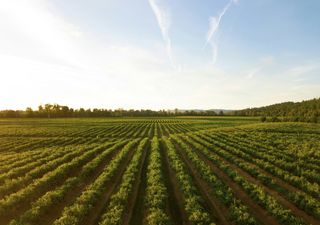
Potassium deficiency in agricultural soils is an unrecognised but potentially significant threat to global food security new research finds.
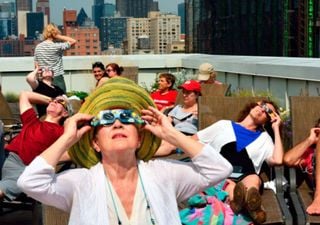
The first total solar eclipse of 2024 is coming and according to researchers it will be the most observed in history! Find out who will be lucky enough to see it.
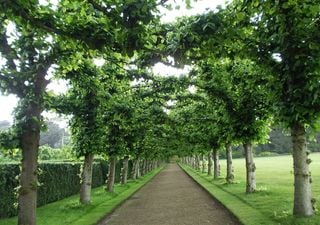
Reforestation is one of the main reasons for the regression of global warming in the eastern United States, where temperatures have stabilised or even decreased. Find out more here!
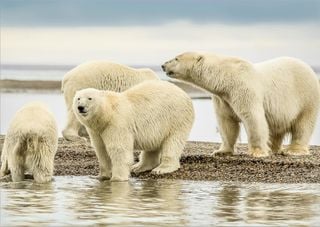
Struggling Polar Bears face dire consequences in adapting to longer ice-free summers due to warming seas. Recent research unveils the profound impact of climate change on their health and dietary habits.

A 280-million-year-old fossil thought to show signs of skin preservation is a forgery in part, prompting researchers to urge caution about how the specimen is used in the future.

Many cities have already reduced the pigeon population thanks to this innovative and ethical method. Birth control pills contain nicarbazin, which blocks egg formation in birds.
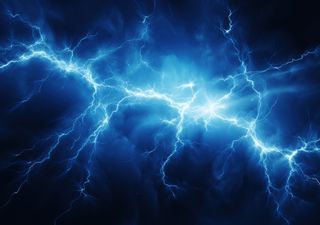
German researchers reveal how rain could reduce mortality from lightning strikes.
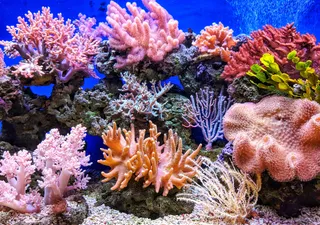
Corals’ slow and regular growth make them an ideal indicator to gauge pollution in the Mediterranean seas.
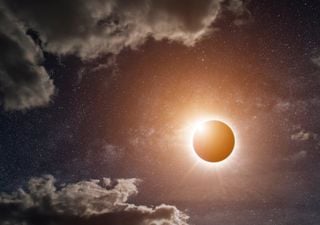
Study reveals that cumulus clouds dissipate quickly during eclipses. This effect could have implications for climate engineering that seeks to use aerosols to reflect sunlight and cool the Earth.
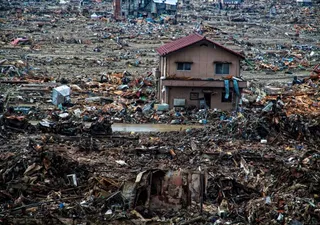
The Pacific Belt or Ring extends through a horseshoe-shaped strip that reaches 40,000 kilometers. Devastating earthquakes and significant volcanic activity are brewing in its bowels.