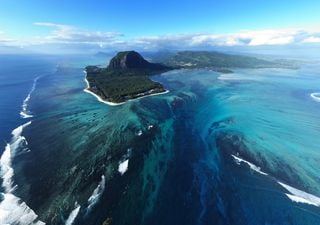
In the depths of the Atlantic there is an underwater waterfall several kilometers high. You will wonder where it is and how it is possible that there is such a jump under water, we will solve it.

In the depths of the Atlantic there is an underwater waterfall several kilometers high. You will wonder where it is and how it is possible that there is such a jump under water, we will solve it.
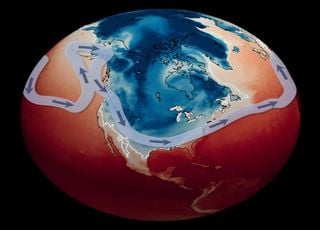
In the heart of January 2024, tens of millions of people are affected by dangerously cold temperatures. This exceptional meteorological event was characterised by the descent of Arctic polar air into regions rarely confronted with such conditions.
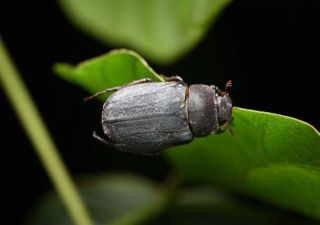
How do female and male large black chafer beetles organise routine date nights every 48 hours? Researchers from China and the U.S. reveal their findings.

Déjà vu is a strange sensation that most people have probably experienced at some point in their lives. The jamais vu, its counterpart, has a much lower degree of study. Specialists tell us what it is about and what experiments they carried out.
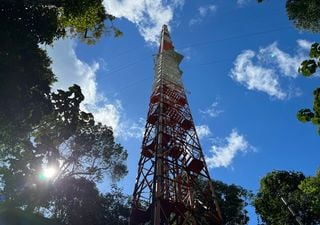
The Torre Alta del Amazonas Observatory is 330 metres high, its function goes beyond enjoying the imposing view of the largest rainforest on the planet.
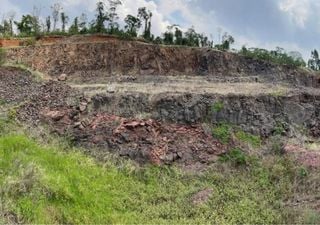
Evidence indicates that there was a volcano over the Brazilian territory 134 million years ago! The volcano was able to launch lava jets more than 1 km high.
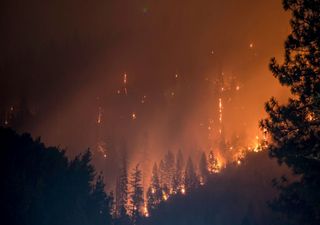
A warmer atmosphere should hold more water vapour, but new research reveals this isn’t the case and scientists want to know why.
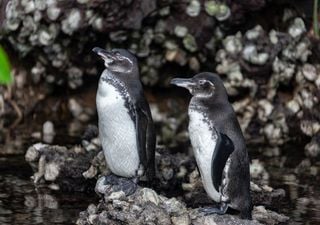
Microplastics have been seen rapidly accumulating in the diet of the endangered Galapagos penguin. For such a remote, fragile ecosystem, this brings concerns to environmentalists.
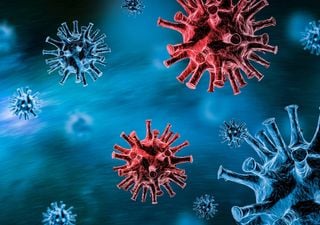
UVC light can destroy the critical infectious components of coronavirus particles according to new research.
Forever chemicals persist in the environment forever, representing an environmental and health hazard, but testing for PFAs is difficult and time-consuming.
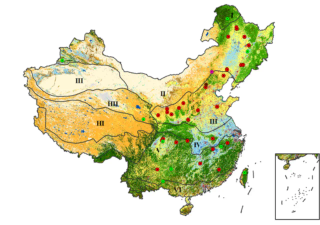
Having a detailed view of vegetation cover is crucial for environmental monitoring and habitat conservation. How is this achieved and what is the latest research?
In 2023, scientists estimated that there would be around 8.7 million species of plants and animals on our planet. Among this vast number of species, which one is considered the most abundant? Find out here!