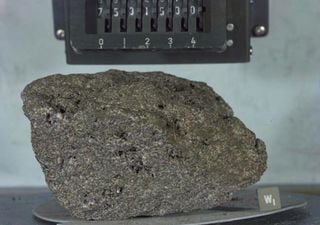
Research sheds new light on Moon rock formation, solving major mystery in lunar geology in the process.

Research sheds new light on Moon rock formation, solving major mystery in lunar geology in the process.
The current El Niño is weakening carbon sinks but anthropogenic activities are driving up atmospheric carbon dioxide levels.
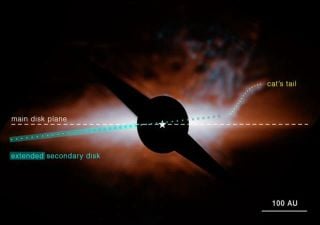
A unique structure emanating from the young Beta Pictoris solar system has been described as cat-like in shape. What is it and how did it form?
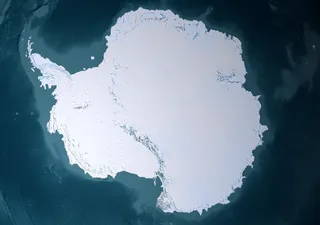
The coldest, driest and windiest continent on the planet represents the largest reserve of fresh water. Military interventions are prohibited here, since it is a natural reserve “dedicated to peace and science.”
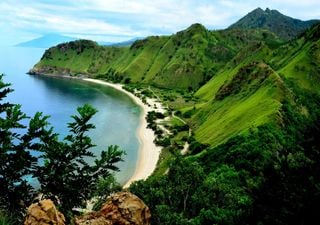
Around 500,000 people would have lived on a now-submerged continent off the northern coast of Australia. One study states that this would have occurred in a time that reached its peak around 70,000 years ago. Currently, this surface is approximately 100 metres below sea level.
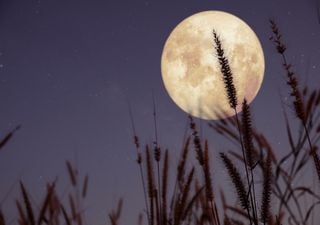
Our planet, unlike others, only has one natural satellite: the Moon. Its different appearance during orbital movement has fascinated man since ancient times. Over the years, it has been studied extensively and we now know a lot about it.
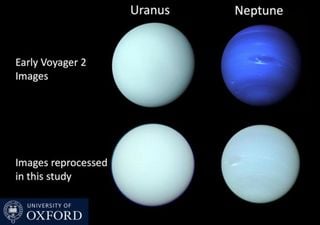
The gas giants Neptune and Uranus are actually closer in colour than previous images have suggested.

Although lightning strikes do so mostly on land, a valid question is why it does not kill fish in the sea when it falls there. The explanation lies in the behaviour of electricity on the first levels of the ocean.
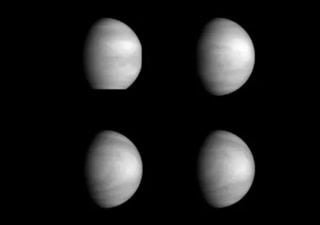
Why does Venus have a splotchy appearance and what are its clouds made of? Researchers think they’ve finally solved the mystery.
Swiss researchers have developed a new method to capture carbon dioxide from the atmosphere using light.
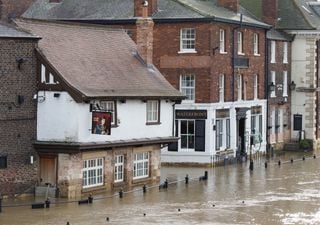
£6.5 million FLOOD centre will research the most destructive natural hazard humanity faces.

A new study reveals the damaging potential of these floods, which have always existed but could become more frequent and intense today on an increasingly hot planet.