
An unconventional citizen science project, led by the University of Zurich and Agroscope, aimed to gain a better understanding of the activity of soil organisms.

An unconventional citizen science project, led by the University of Zurich and Agroscope, aimed to gain a better understanding of the activity of soil organisms.
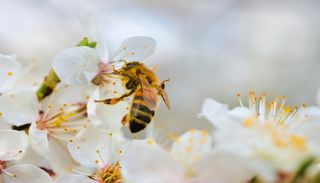
Glacier melt not only transforms landscapes, it also changes the flowers that bees visit and could facilitate the spread of viruses and parasites, threatening these pollinators, which are essential to our ecosystems and agricultural development.
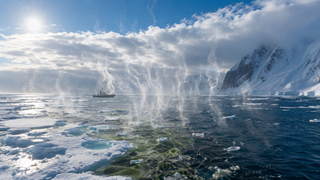
Scientists have discovered that melting Arctic sea ice triggers a natural process that can increase cloud-forming particles in the atmosphere by 50 times in a single day
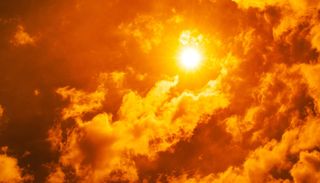
A new study finds that dry air mixing into rising warm plumes can help heat and humidity build near the ground, raising the risk of dangerous humid heat.
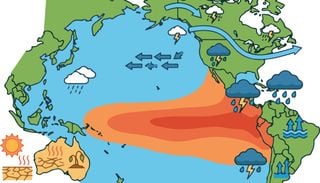
Coral records have shown El Niño events have grown almost 40% stronger in recent decades than before pre-industrial times. Modern events are now stronger than anything seen in the preceding thousand years.
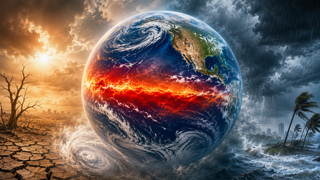
UK's national weather service has warned the El Niño currently developing in the Pacific could be the biggest in living memory, with implications for global temperatures and drought risk

Although the sea may appear calm during the summer holidays, rip currents can quickly pull you away from the shore. Learn how to recognise the warning signs and how to escape without exhausting yourself.

Kyoto University researchers have used orbital data from roughly 1,200 Starlink satellites to map atmospheric density about 500km above Earth, which could help reduce risk of collisions in orbit
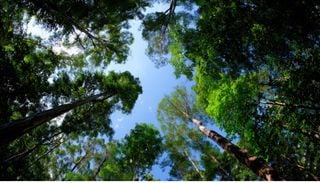
Fossils found in Wyoming reveal that, following global warming 56 million years ago, forests needed more than 100,000 years to recover. A geological warning that dispels the supposed benefits of excess carbon dioxide.
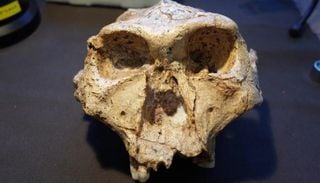
What if everything we thought we knew about our human ancestors was wrong? New research is challenging the way we classify our evolutionary family—and it could completely change our understanding of where we came from.
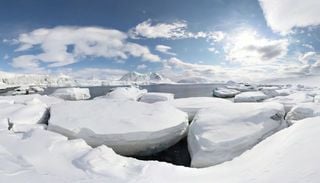
A newly discovered Arctic process can multiply cloud-seeding particles within hours, revealing a missing piece that may improve forecasts of how the rapidly warming region responds to future climate change.
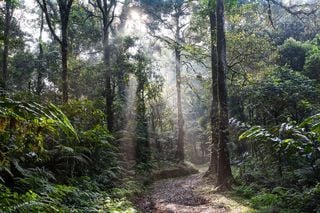
What if restoring the world’s forests didn’t mean planting millions of trees? New research suggests simply giving nature room to recover could deliver major climate and biodiversity benefits—at a fraction of the cost.