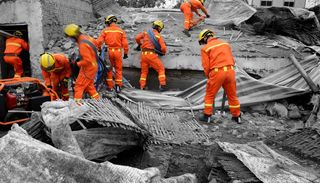
Seismologists’ analysis provides a very clear answer to the question that arose following the series of strong earthquakes that have shaken several parts of the world in recent weeks.

Seismologists’ analysis provides a very clear answer to the question that arose following the series of strong earthquakes that have shaken several parts of the world in recent weeks.
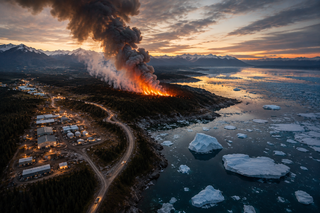
Research finds that fires in the Arctic break out two and a half times more often in areas with human activity than in similar areas without it, raising questions about how industrial expansion is shaping fire risk in the region

As human activity expands and extreme weather intensifies, nature is responding with astonishing speed. Discover how a range of animal species are rewriting the rules of evolution in just a few decades to survive the Anthropocene.
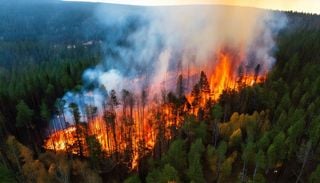
Advice to shut windows and doors during wildfires helps protect against smoke pollution but can be challenging in hot weather, research suggests.
A previously unknown process that seeds cloud formation over the Arctic is driven by melting sea ice, but what effect could it have on future climate change?
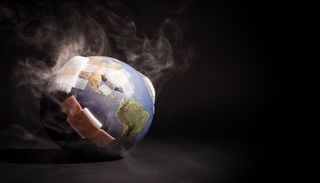
Severe storms, heatwaves and wildfires can bring a community's social life to a standstill. Here's why.
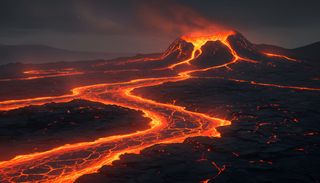
A new study has revived a controversial hypothesis suggesting that Earth's greatest geological crises may follow a natural cycle that has repeated itself for hundreds of millions of years.

Dinosaurs are known for their enormous size, but scientists have uncovered a surprising mystery about why some dinosaurs never became truly tiny, revealing clues about their evolution.
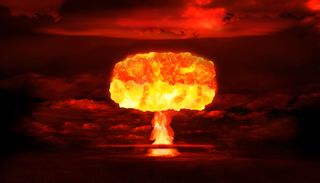
The atomic bomb explosion over Hiroshima not only changed the course of history. It also created materials never before seen in nature, formed under physical conditions that cannot be reproduced through conventional geological processes.

Fear of flying is relatively common and is often linked to a fear of turbulence. Aviation professionals say these pockets of unstable air are entirely natural and relatively easy to explain.
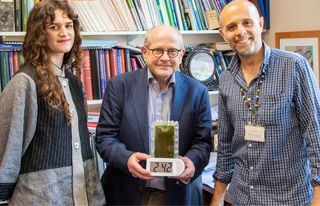
Manufacturing disposable batteries is an energy-intensive process and requires the mining of minerals, which degrades local habitats and ecosystems. Algal cells could potentially replace them but never need replacement themselves.
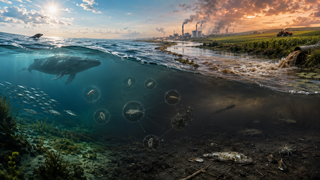
Scientists are warning that oxygen is disappearing from the world's oceans, lakes and rivers at an alarming rate, with some of the consequences potentially lasting centuries and pushing the planet into what they describe as an "unsafe space"