
Discovery of the tomb in 2022 is the first royal tomb to be discovered in the location of Luxor since the discovery of Tutankhamun in 1922.

Discovery of the tomb in 2022 is the first royal tomb to be discovered in the location of Luxor since the discovery of Tutankhamun in 1922.
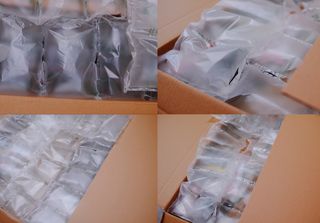
A study in the U.S. indicates that polyethylene (PE) packaging can have 70% lower global warming potential (GWP) than other materials. The findings suggest caution when replacing plastics, as alternatives could lead to higher environmental costs throughout their lifecycle.

A world in the range of browns, greys and soft greens, that was the early Earth. Through evolution it became increasingly colourful, but how and why did this explosion of colours occur?

Wearable advancements have been shared in a recent review, showing how much innovation has taken place, but also what obstacles are in the way.
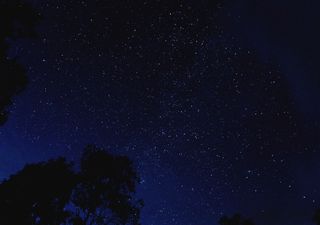
In a new study published in The Astrophysical Journal Supplement Series, researchers find that fluctuations in starlight due to hotter or colder regions on the star’s surface could distort the interpretations of planets.
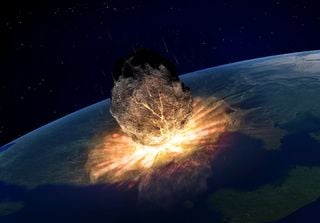
The Earth is at serious risk of being hit by an asteroid. The impact, if confirmed, will occur in 2032 and could destroy an entire city, putting the lives of tens of millions of people at risk. It is a race against time to calculate the orbit.
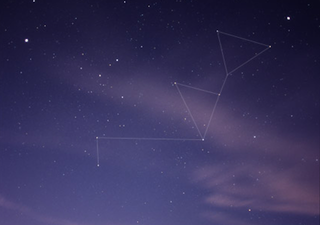
This might sound like science fiction, but it is in fact science research. A planet beyond our Solar System appears to have an intricate and dramatic weather system, a new 3D map reveals.

Parkinson's disease is a progressive condition that worsens with age and has no cure. While drugs become ineffective over time, an implant hopes to stop its progression in the future.
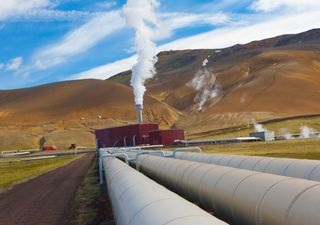
Geothermal heat integrated into Finland's heating networks will not only reduce fossil fuel consumption, but also enable the country to achieve carbon neutrality by 2030.
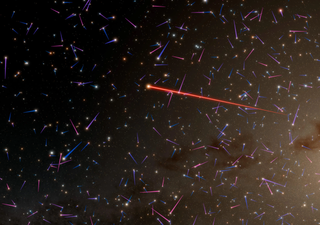
The exoplanet found is larger than Neptune and has a speed of almost 2 million kilometers per hour, breaking the record for the fastest exoplanet.
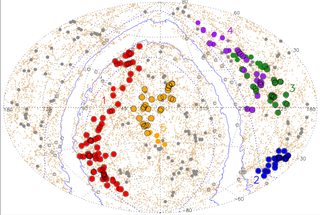
It was identified using X-rays and is the largest structure discovered to date, containing around 30% of the galaxies and 25% of the matter in the universe.
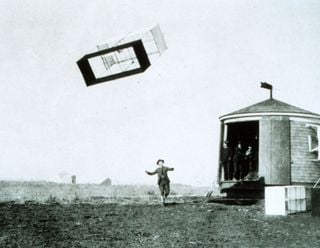
Kites began to be used for meteorological analysis and experiments throughout the 19th century, and some even carried instruments. Their decline began about 100 years ago.