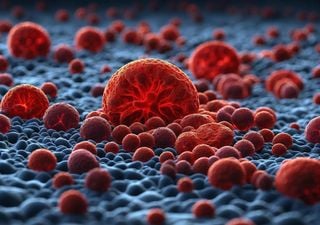
MYC has a strange role to play in cancer. The gene isn't dysfunctional but supports tumour growth when cancer takes root. If we stop this function, we can win over cancer.

MYC has a strange role to play in cancer. The gene isn't dysfunctional but supports tumour growth when cancer takes root. If we stop this function, we can win over cancer.

With the publication of a book on the resilience of cities to climate change, scientists propose solutions for the most vulnerable communities. What are the points they address?
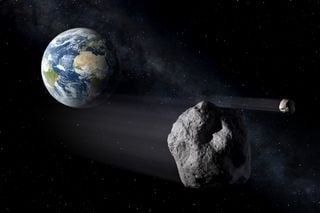
The asteroid known as 2024 YR4 has a 97.9% chance of passing safely near Earth in 2032, according to NASA scientists, but countries would be at greater risk if it were to collide.

Brazilian scientists have discovered an enzyme capable of transforming a corn ethanol byproduct into biofuel for aviation. The innovation could make the aviation sector more sustainable, reducing dependence on fossil fuels and carbon emissions.
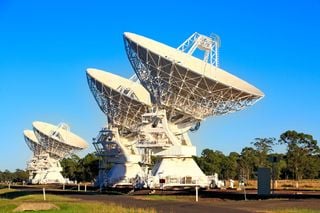
Have you ever wondered how NASA scientists on Earth communicate with satellites and probes? There is a huge global network that allows them to do so.

Researchers have found sub-microscopic particles of plastic in the high Alps. Now they want to expand the research worldwide.

Women experience poorer sleep quality than men, with biological, hormonal, and life-role factors playing significant roles. A recent study highlights how menstruation, pregnancy, and menopause impact sleep patterns.More information: Restful sleep: A key defense against unwanted thoughts, recent study reveals

While quantum mechanics may not instantly come to mind when looking at a tree, plant, or beautiful floral display, researchers say that plants have a remarkable system for its use.

Global warming is projected to hit 2.7oc above average temperatures before the industrial revolution. This could lead to drastic changes in the Arctic, leaving one of our most vulnerable ecosystems unrecognisable.

New research has found that walking pace and step count information gathered from fitness trackers is a useful indicator of dementia risk.

Satellite images, the projection of the Earth's shadow on the Moon and different time zones are examples that show that the planet is not flat.
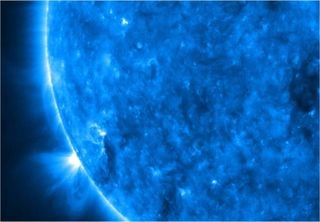
194 years ago, the Sun "turned blue" for several months, and until recently, it was not known why. But now science has finally unraveled the mystery behind this phenomenon. Follow the details below.