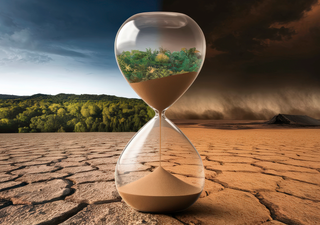
The planet has repeatedly surpassed the 1.5°C limit above the pre-industrial era, setting a record warming sequence, but do you know where this figure comes from and why scientists keep talking about it?

The planet has repeatedly surpassed the 1.5°C limit above the pre-industrial era, setting a record warming sequence, but do you know where this figure comes from and why scientists keep talking about it?

Astronomers have detected 74 exocomet belts around nearby stars, revealing their role in planet formation. The discovery, made with ALMA and SMA, suggests that these bodies could influence the evolution of star systems, similar to the Kuiper Belt in our solar system.

New research reveals how weather conditions—specifically atmospheric pressure and humidity—can influence the spread of COVID-19, providing potential tools for predicting outbreaks and shaping future public health strategies.More information: Breathe easy this school year: A guide to protecting students from pollutants, viruses, and allergens
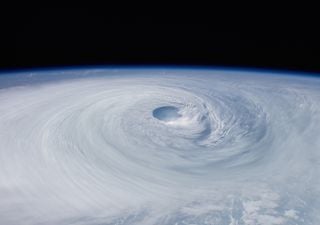
In the 2025 hurricane season, we will be able to count on the incredible images of GOES-19. This satellite will strengthen monitoring of the tropics. It is expected to be fully operational in April.
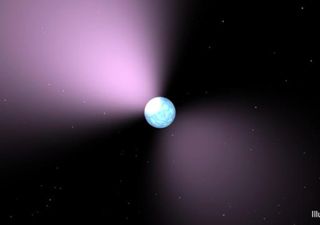
Asteroseismology could offer new insight into the properties of neutron stars and nuclear matter, with important implications for physics and astronomy, health, security and energy.

Kelp forests are fascinating and of great importance for marine ecology, but largely unknown. Like many other marine ecosystems, their existence is threatened by both climate change and human influences in general.
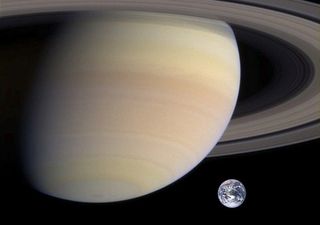
Searching for alien life may be more difficult than we previously thought, suggests a new study.
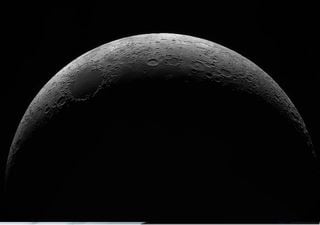
Despite its constant presence in the night sky, the Moon's mysterious behavior has puzzled people for centuries, leaving many to wonder why we always see the same side. The answer lies in the fascinating interaction between our planet and its satellite.
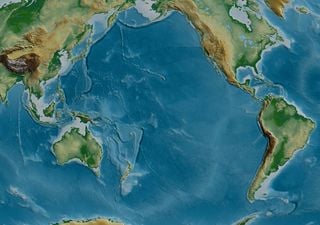
Geophysicists at ETH Zurich (the Swiss Federal Institute of Technology) are using models of the Earth's lower mantle to identify areas where seismic waves behave differently than previously assumed.
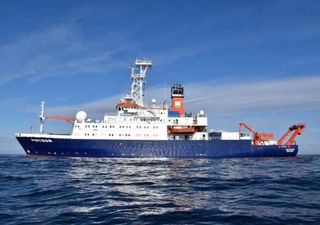
A new study published in the journal Communications Earth & Environment describes how human activity in the region of the Aegean Sea resulted in lead contamination 5,200 years ago.
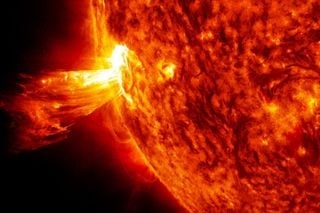
Space weather is known as the conditions and events that can affect the Earth and its environment, being a consequence of the behavior of the Sun, the magnetic field and the Earth's atmosphere.
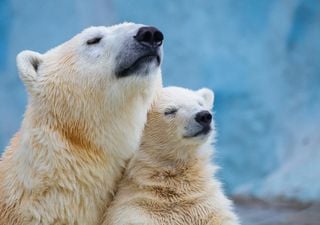
Compounds hidden in bear fur could open the way to new developments in industries facing extreme temperatures.