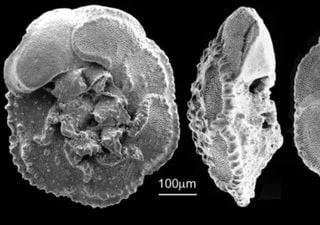
A new paper published in the journal Science, is the most robust study of the Earth’s temperature over the last 485 million years.

A new paper published in the journal Science, is the most robust study of the Earth’s temperature over the last 485 million years.
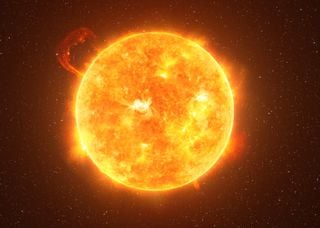
New research from the Daniel K. Inouye Solar Telescope reveals surprising interactions between solar flares and the Sun’s lower atmosphere, uncovering small-scale magnetic shifts that challenge previous assumptions.
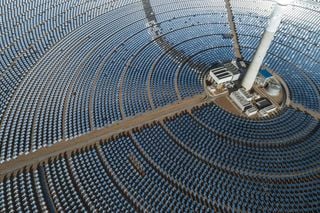
Once seen as a safe and innovative treasure in energy production, one of the greatest investments ever, it is now seen as the biggest fiasco in the history of renewable energy in the US. Find out the details of this story in this article!

Antarctic krill poo shows the crustacean plays an important role in carbon storage, harbouring as much as mangroves and seagrass, and should be protected.
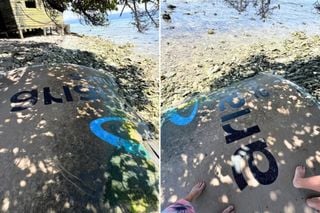
Imagine you're exploring a paradise beach on vacation, hoping to find seashells or perhaps some fascinating creature. But what would you do if you stumbled upon an unexpected aerospace discovery while snorkeling?
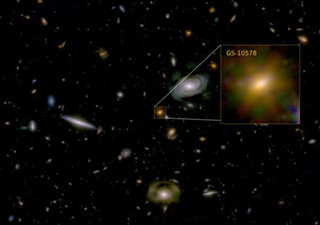
In a new study, astronomers have used the NASA/ESA James Webb Space Telescope to confirm that supermassive black holes can starve their host galaxies of the fuel they use to create new stars.

Surely you must have heard this at some point... Is it true that we decrease in size as time goes by? A comprehensive study explains it to us. Find out here.

Asteroid 2024 PT5 will be temporarily captured by the Earth, becoming a mini-moon for two months in 2024, offering a unique opportunity for astronomical research.
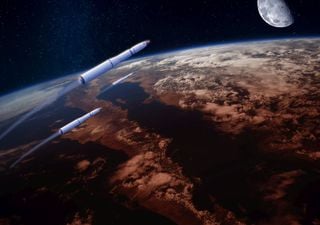
China continues to advance in space technology. Now a "recyclable" rocket has recently been developed. What does that mean?
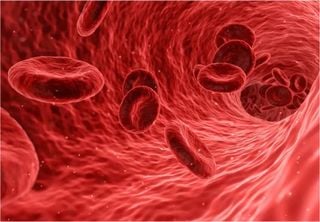
After 50 years, British scientists have identified a new blood group, which can help save thousands of patients with a rare blood type. See what it's about here.
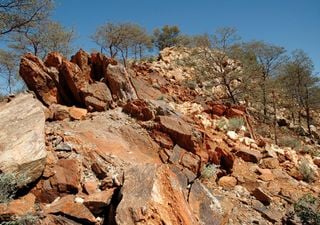
A new study confirms that fresh water on the planet appeared about 500 million years earlier than previously believed. The work was done on crystals dating from the beginning of the Precambrian in western Australia.
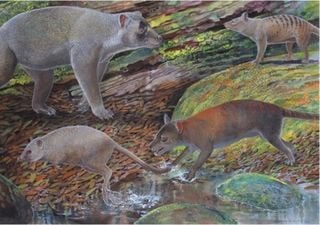
The discovery of three new species of Tasmanian tiger ancestors sheds light on the ecosystems of the Riversleigh World Heritage Site and that carnivorous reptiles were not the only predators in Australia during the Oligocene.