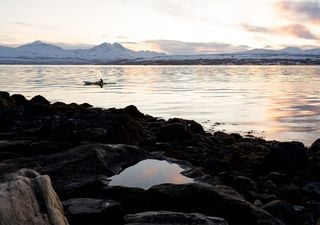
Our marine identity is more than just about how much we enjoy a good fish and chips and swimming in the sea. How we engage with our marine ecosystems can help us to engage with and support marine conservation efforts.

Our marine identity is more than just about how much we enjoy a good fish and chips and swimming in the sea. How we engage with our marine ecosystems can help us to engage with and support marine conservation efforts.
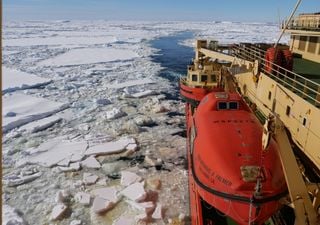
Scientists reveal the results of an ambitious international collaboration to study Antarctica’s most worrying glacier.
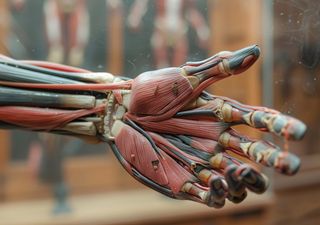
The median artery is three times more common today than just over 100 years ago, according to a study. It is formed quite early in the development of all humans, and around eight weeks it usually goes back.
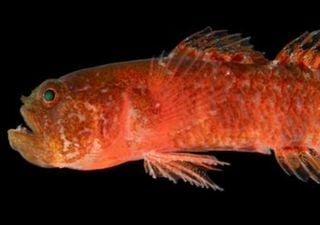
A new species of fish has been discovered in the Red Sea during a diving expedition to research coral reef fish diversity. With its bright red colouration, large canines and menacing expression, it certainly suits its common name, the ‘grumpy dwarfgoby’.
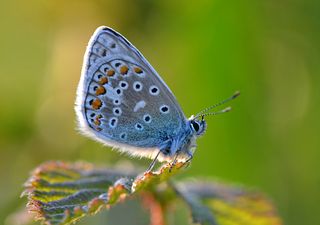
Wildlife charity Butterfly Conservation has declared a national ‘Butterfly Emergency’, after the summer’s Big Butterfly Count showed a hugely concerning decline in numbers.
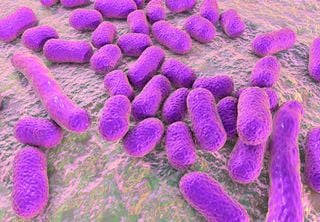
A new study has indicated that the number of drug-resistant bacterial infections will increase by 70% by 2050 worldwide, and the age group most affected will be those over 70 years old.
In this latest finding in the green energy revolution, scientists create green methanol by harnessing the sun to combine carbon dioxide and methane, two prominent greenhouse gases.
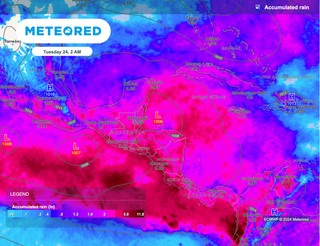
The Central American Gyre is a powerful engine of tropical activity, igniting storm development at both the beginning and end of hurricane season. As a relentless force of nature, it drives extreme weather across vast regions, unleashing its fury from Central America to the Caribbean with far-reaching impacts.
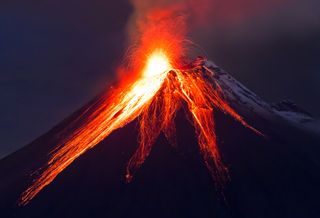
New research reveals that volcanic eruptions can indirectly raise stratospheric moisture levels. This indirect effect can be as significant as direct injections observed after the 2022 Hunga eruptions.
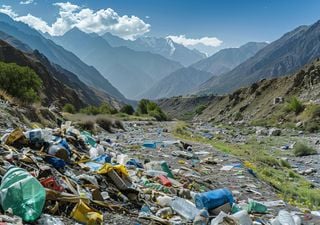
The management of plastic waste continues to be a pending issue in today's society, with very low recycling rates, the uncontrolled burning of large quantities of plastic waste and the associated environmental problems.
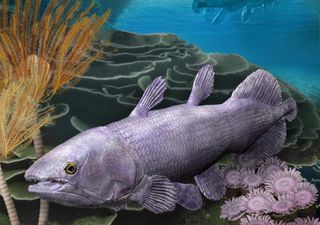
A new species of coelacanth fish from western Australia challenges the notion that they are the oldest living fossils.
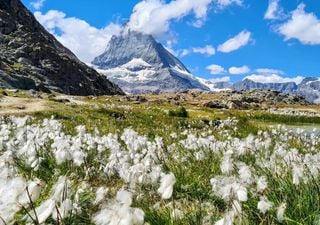
Hidden under an average layer of ice 2 kilometers thick, there is a wide variety of landscapes that were once ice-free. But... when did this happen?