
The National Oceanography Centre are trialling a new type of fuel on two of their research ships in a bid to reduce their carbon footprint.

The National Oceanography Centre are trialling a new type of fuel on two of their research ships in a bid to reduce their carbon footprint.

Sound may not only be a form of communication or entertainment, but also a catalyst for the growth of our plants.
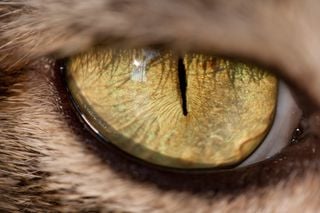
New research traces the vibrant and varied eye colors of wild cats back to a gray-eyed ancestor, unlocking insights into their evolution.

Why venting your frustrations might bring you closer to friends, if done right, according to research.
AI breakthrough in water treatment promises improved access to safe drinking water.
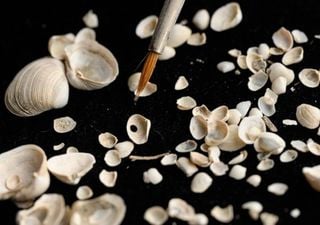
A new study by researchers from Slovakia, New Zealand, Austria, Italy and the United States has published a new study documenting the decline of predator and prey interactions in the Adriatic Sea.
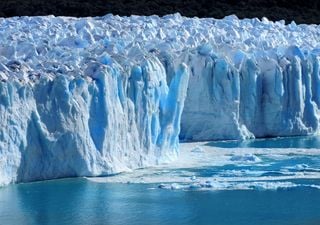
A team of scientists studied the Thwaites Glacier for six years and concluded that it could collapse within 200 years, triggering the collapse of a major Antarctic ice sheet.
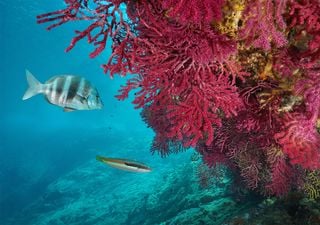
Climate change is increasing the frequency, intensity and duration of marine heatwaves. Scientists investigate the impact this could have on coral resilience, and ecosystem health.
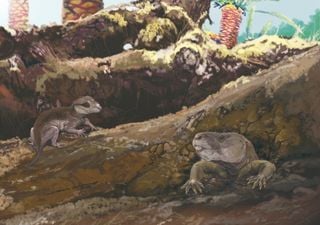
A new study featured in the journal Nature, sheds light on the evolution of mammalian jaw and middle ear bone traits.
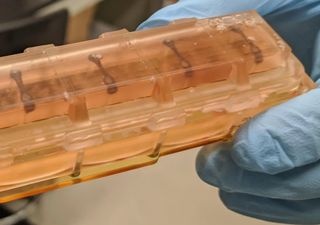
Scientists sent bioengineering samples of heart tissue to the International Space Station to study how to keep astronauts safe during future long-term space travel.

In the land of the midnight sun, consistent light levels in both the summer and winter can be quite disorientating. When plant life relies on changing light conditions for reproduction, what is the impact of extreme light environments on biodiversity?
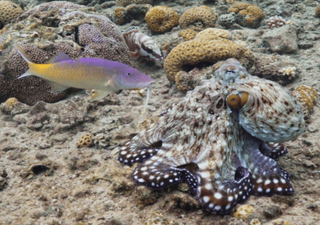
A marauding, steely-eyed octopus on the hunt with a fish gang in tow, scientists discover intriguing social behaviour.