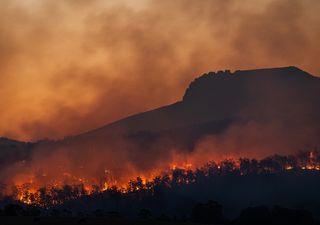
Annual report explores the reasons behind wildfires and whether they could have been predicted, and discovered wildfires were three times more likely due to climate change.

Annual report explores the reasons behind wildfires and whether they could have been predicted, and discovered wildfires were three times more likely due to climate change.
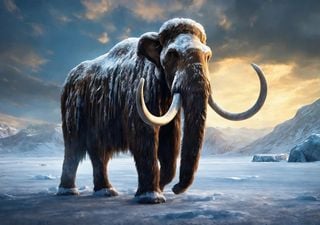
UC Berkeley archaeologists claim that people 13,000 years ago would have used planted pikes angled upwards to take down charging animals, allowing a more damaging blow to take down their prey. Here's how they would have hunted.
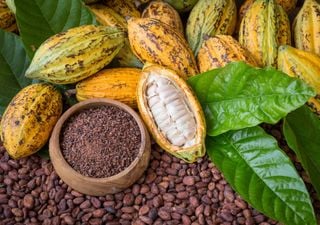
A breakthrough in chocolate production that sees the entire cocoa fruit used could make the process more sustainable and profitable for farmers.
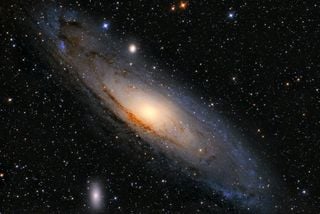
NASA's Hubble Space Telescope has captured a glimmering image of the Pegasus Dwarf spheroidal galaxy, a mini-galaxy orbiting Andromeda, the nearest spiral galaxy to our Milky Way, providing fresh insights into galactic evolution.
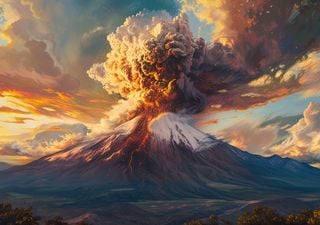
The finding suggests a connection between PKP precursor signals and volcanism observed in regions such as Yellowstone, the Hawaiian Islands, Samoa, Iceland and the Galapagos Islands.
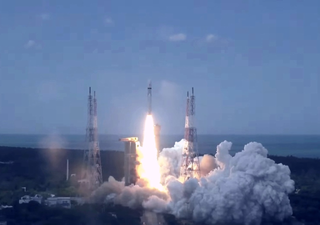
Lunar soil recovered from tha side of the Moon never reached before by landing craft suggest the Moon may have been cloaked in a magma ocean in its early history. We take a look at the new evidence.
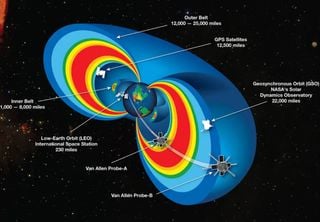
Scientists have discovered a new type of electromagnetic wave that carries a huge amount of energy into the magnetosphere, impacting the planet's radiation belt.

Could following the Mediterranean diet help people fight against COVID-19 infection, and reduce symptoms, and disease severity?
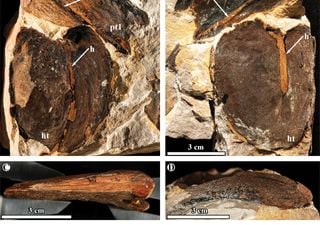
These fossilised seeds belong to an extinct species of legumes and could help explain the evolution of current rainforests in Southeast Asia and Australia.
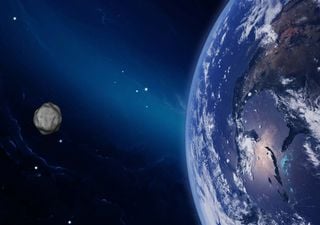
A new international study led by the University of Cologne has revealed the origin of the asteroid that wiped out the dinosaurs and changed our planet's climate forever.
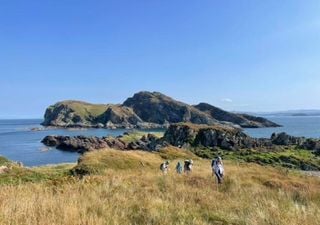
A rock formation in Scotland and Ireland dating back millions of years shows when complex life might have formed after a global freeze.
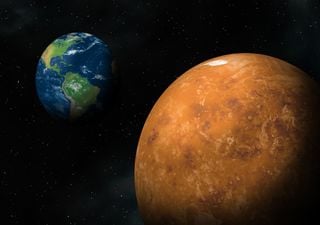
Using computer simulations, scientists from Monash University, Australia, and scientific institutions in the USA conclude in a new study that the Ishtar Terra plateaus on Venus were formed through processes similar to those on Earth.