
In a new study in Nature, scientists have shown that aging is not a gradual process, as previously thought: there are two decisive ages at which it accelerates. See what they are.

In a new study in Nature, scientists have shown that aging is not a gradual process, as previously thought: there are two decisive ages at which it accelerates. See what they are.
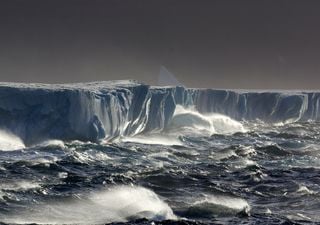
Submersible meets an unhappy end after revealing sand dune-like base to ice shelf; the finding raises questions about ice sheet melting and future sea level rise.

Plastic shards on a nanometre scale have been identified in the human brain. What's worse, the amount has increased over time, and a particular kind of plastic seems to be prone to accumulate in the brain.
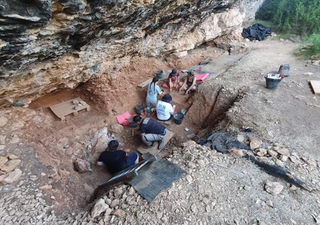
A new archaeological site, Abric Pizarro, in the foothills of the Southern Pyrenees is helping archaeologists understand a poorly known period of history for the Neanderthals and giving them clues into their downfall. Find out what they found!

The markings found on a stone pillar at an ancient temple in Turkey likely represent the world’s oldest calendar, and were likely created to remember a devastating comet strike.
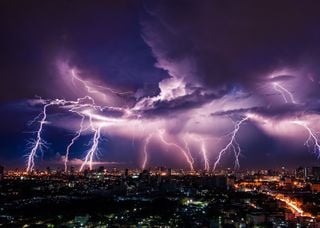
Research from James Madison University indicates that pollution enhances the severity of thunderstorms, increasing lightning activity in urban areas like Washington, D.C., and Kansas City.
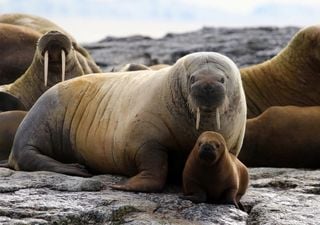
A new species of extinct walrus-like animal has been named in the journal PeerJ Life and Environment. The mammal shares similar feeding adaptations to modern walruses showcasing the wonders of convergent evolution.
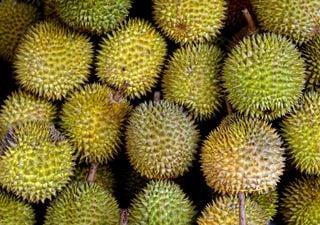
A newly found soft-bodied fossil from the Early Cambrian Period reveals new insight into the origin of skeletons of molluscs all while looking like a durian fruit.
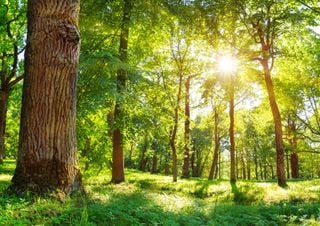
As temperatures soar, a little-known phenomenon called "summer branch drop" could pose hidden risks to people seeking refuge under trees, where seemingly healthy branches may unexpectedly fall without warning.
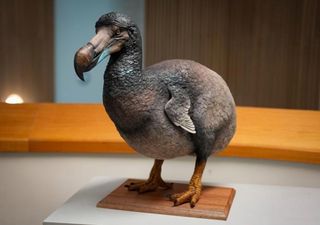
Researchers have reviewed 400 years’ worth of literature on one of the most iconic extinct animals of all time, the Dodo bird.
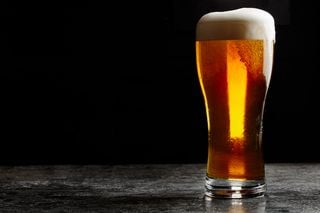
In the ever-expanding universe of food and drink innovation, a new contender has emerged: space beer. The idea of brewing beer in space isn't just about novelty; it’s grounded in scientific experimentation and could potentially lead to beverages that surpass their Earth-bound counterparts in flavor and quality.
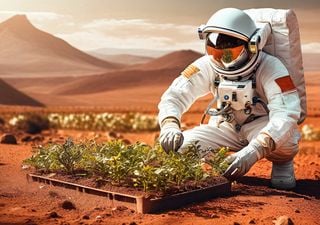
The idea of terraforming Mars, making its atmosphere and environment more Earth-like for human settlement, dates back decades.