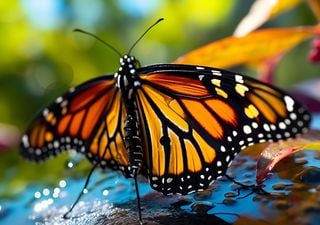
The finding made by researchers at the University of Bristol, in the United Kingdom, explains how butterflies are able to accumulate enough static electricity to attract pollen particles without coming into contact.

The finding made by researchers at the University of Bristol, in the United Kingdom, explains how butterflies are able to accumulate enough static electricity to attract pollen particles without coming into contact.

New research published in the journal PLOS One, has described hunter-gatherers from the Star Carr site in North Yorkshire, United Kingdom, keeping an ‘orderly’ home, making ‘zones’ in which to complete different activities.

New findings evaluating the diversity of shapes within brachiopods sheds light on some of the core principles of the evolution of modern biodiversity.
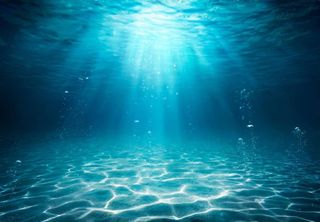
In a recent study, scientists warn of the rapid decrease in dissolved oxygen in fresh and salt water bodies, which could compromise aquatic ecosystems.
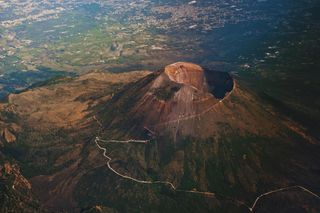
There are around 1,350 active volcanoes in the world, but there are some that are of most concern to the volcanological community. In this article we tell you which are some of the most dangerous volcanoes in the world.
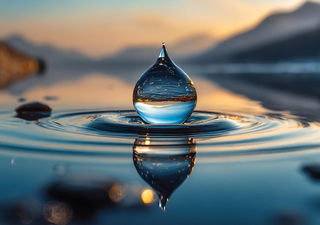
It's "magical" to consider how water vapour in clouds can become rain plummeting to the surface of our planet. This process has also been somewhat elusive to science but new research reveals its finer details that can lead to better forecasts. Find out what they found.
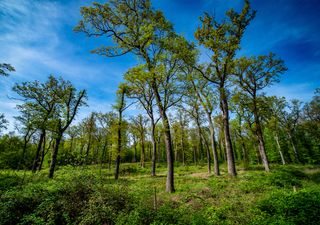
Tree planting is often seen as a ‘quick fix’ to sequestering carbon and supporting action towards ‘Net Zero’ targets. Much debate still surrounds how effective tree planting really is as a strategy, and how best to go about it.
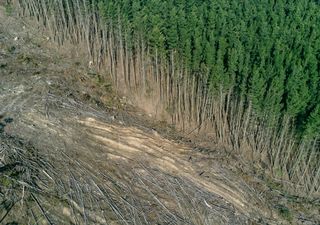
Forests have an amazing ability to capture and store atmospheric carbon dioxide, but they need more protection from threats such as wildfires and deforestation.
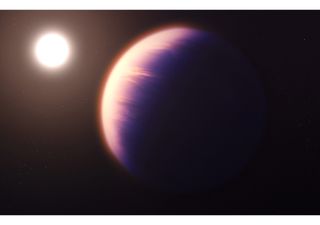
The James Webb Space Telescope has revealed a morning and evening side on WASP-39b, an exoplanet 700 light-years away from Earth.
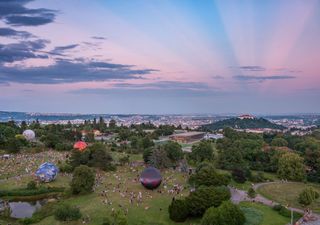
Nothing better than closing an astronomy show than with one of the rarest and most beautiful optical phenomena to see. This is what happened in the Czech Republic.
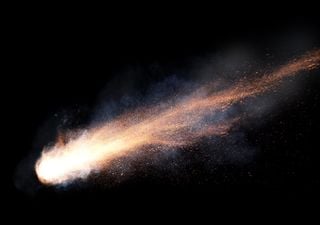
The fireball could be 100 times brighter than any other comet. Its approach to Earth is a once in a lifetime event that scientists follow with interest.

It is an unforgettable experience to hear the whisper of the sea when we bring a beautiful snail that we found on the beach to the ear. Without a doubt it is fascinating and enigmatic... until the physical foundation that explains it is discovered.