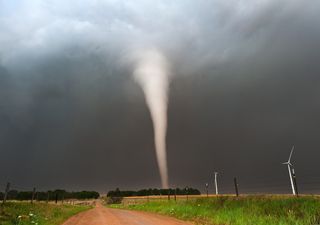
Scientists analyse the flow of muons as a possible new tool for meteorologists in the forecast and alert of tornadoes and supercell storms.

Scientists analyse the flow of muons as a possible new tool for meteorologists in the forecast and alert of tornadoes and supercell storms.

Simple nighttime workouts could extend sleep by 27 minutes, say researchers

Playing chess regularly generates many benefits for brain health, such as improving memory, greater concentration and less risk of developing degenerative diseases such as Parkinson's and Alzheimer's. It also provokes patience, discipline and mental agility in its players.

Cycling and walking to work reduces risks of both mental and physical health issues, researchers claim

Astronomers discover planet transforming into a 'hot Jupiter', shedding light on evolution of such planets
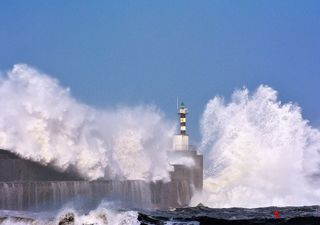
The study, published in Scientific Reports, reveals surprising results applicable to maritime warnings. Likewise, the tool used would be able to reduce the impact of this type of oceanic events in the world.

Humans are often blamed for a decline in biodiversity, but a new study has shown that sometimes, humans can actually have a positive impact.
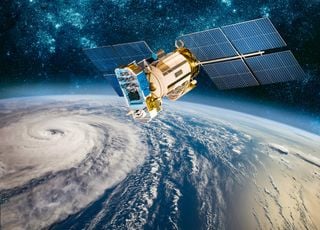
The European Space Agency’s (ESA) Meteosat Third Generation weather satellites have passed critical environmental tests, moving closer to launch and promising major advancements in weather forecasting accuracy.
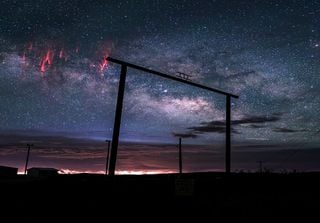
They are called Citizen Science Projects. They are scientific projects in which ordinary citizens can make a significant contribution, even if they are not professionals. This is the case of the "red elves" for which NASA started the "spritacular" project.
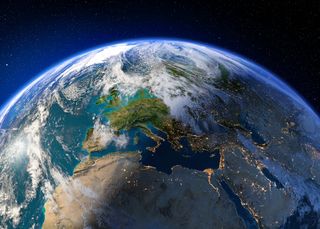
New observations from the James Webb Space Telescope confirm LHS 1140 b as a rocky super-Earth with significant water, making it a prime candidate for potential liquid water and life beyond our Solar System.

Tree cacti called Key Largo have been completely extinct in the United States, and researchers believe this may be the first local extinction caused by rising sea levels.
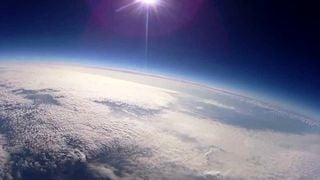
Air from the stratosphere often sinks into the troposphere due to meandering jet streams and can generate a high concentration of hydroxyl radicals with important consequences.