
The exoplanet HD 189733 b has very similar characteristics to Jupiter. New research reveals that it contains hydrogen sulfide, something rare outside the solar system. How important is this?

The exoplanet HD 189733 b has very similar characteristics to Jupiter. New research reveals that it contains hydrogen sulfide, something rare outside the solar system. How important is this?
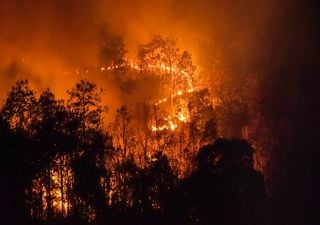
EU’s climate change monitoring service highlights ‘large and continuing shift’ in earth’s climate. The trend is ‘more than a statistical oddity’ it says.
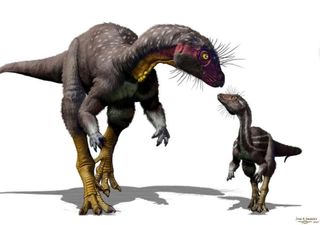
The new dinosaur species Fona herzogae may have been small but certainly not boring. The dog-sized dino displays characteristics shared with other animals that would have helped with stability while digging, suggesting it would have spent time underground.
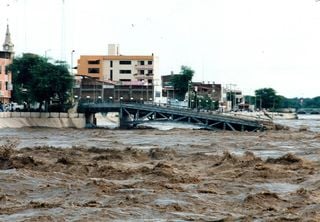
A new study suggests that 90% of future El Niño events will be extreme if current climate change is not slowed. See more information here.
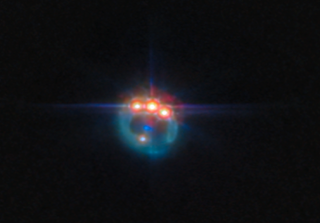
It was selected as "image of the month", the most special obtained by the James Webb Space Telescope. You photographed an object with an incredible ring shape with trilogy. Let's see what it's about.
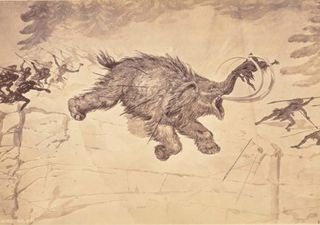
Was it climate change or humans that caused the unfortunate extinction of large mammals, reptiles and birds over the last 50,000 years?
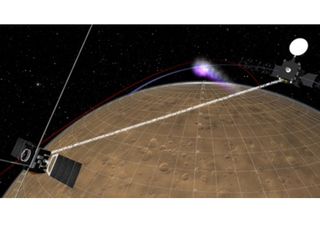
Researchers have repurposed an antenna on a Mars orbiter to help them better understand the Martian atmosphere at different times of the day, and year.

High levels of fibreglass have been found in the soft tissues of oysters and mussels, which raises concerns about the health of the oceans.
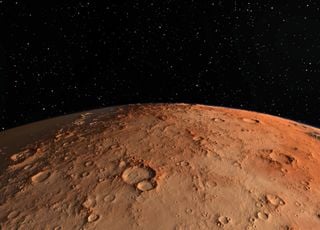
The European Space Agency’s Mars Express Orbiter has unveiled striking new insights into the Martian landscape with its latest images of Aganippe Fossa, a colossal canyon stretching across the Martian surface.
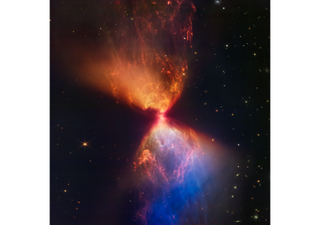
The Telescope reveals details of young protostars, like L1527, and their environments, helping to understand star formation, magnetic fields, and the possible contribution of organic compounds to life.
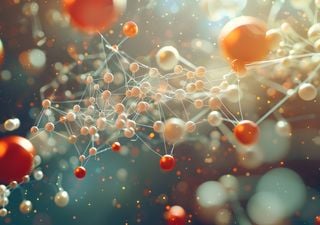
A chance encounter in remote Australia and years of detailed analysis pushed back evidence of the beginning of complex life on the planet by 750 million years. Understand everything here!
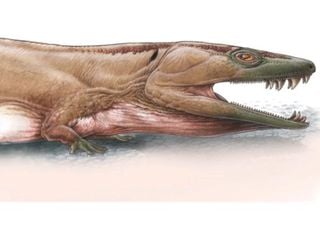
A new, giant, extinct ambush predator has been described from Namibia. The 3-metre-long adult is one of the earliest ancestors of all modern animals.