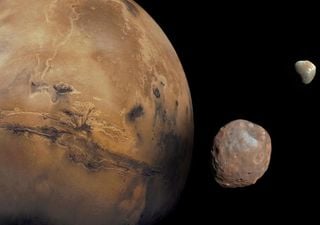
What is the planet with the most moons in the solar system? Which one has the least? Why? Let's see the answers to these questions.

What is the planet with the most moons in the solar system? Which one has the least? Why? Let's see the answers to these questions.

We always hear that matter and antimatter annihilate each other, but why does this end up happening?
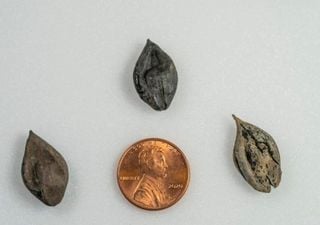
Scientists in a new study have described three new extinct walnut species from an island above the Arctic Circle with the fossils representing some of the oldest known species of the group, living or extinct.
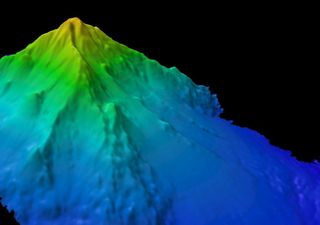
Underwater mountains play an important role in storing carbon and heat, and understanding ocean circulation can impact future climate change forecasts.

Researchers have found a way of increasing levels of vitamin B6, an important nutrient that promotes neurological and immune system wellness.
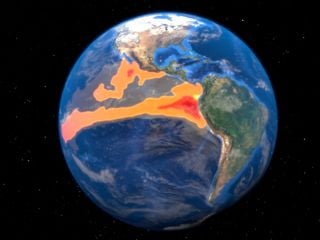
A new El Niño prediction model, detailed in Nature, promises to significantly improve the accuracy of climate forecasts by integrating complex seasonal interactions with other modes of climate variability.
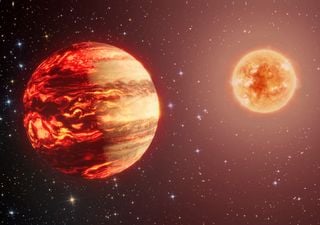
Combining data from ESA's Gaia telescope and ESO's GRAVITY instrument, scientists find hidden objects accompanying eight stars for the first time.

Many people, especially those who are elderly or who have had an injury, claim that when the environment is very humid they feel greater discomfort or 'pain in the bones'. What does science say?
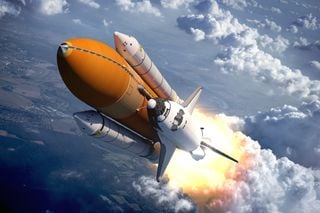
As commercial space travel grows, exploring space's impact on health is crucial. New research sheds light on how microgravity affects individuals, particularly those with heart conditions.

The popular claim that dinosaur fossils inspired the legend of the griffin has been challenged in a new study.

A move towards healthier diets could see insect proteins become part of a more flexitarian diet by 2054.
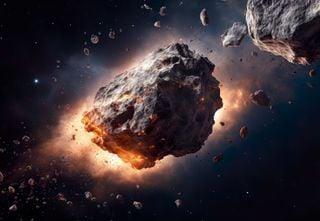
If initially the space agencies were almost terrified by the asteroid 99942 Apophis, now they are almost bewitched by it and many can't wait for April 2029 to arrive when this asteroid will graze our planet.