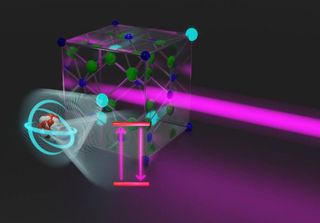
Scientists have taken a step further in creating an entirely new type of clock based on small changes in the energy of an atomic nucleus: the 'nuclear' clock, which could displace atomic clocks.

Scientists have taken a step further in creating an entirely new type of clock based on small changes in the energy of an atomic nucleus: the 'nuclear' clock, which could displace atomic clocks.
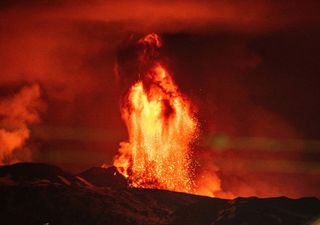
Digging deeper below the Earth’s surface reveals clues into volcanic activity and could improve predictions on when an eruption may occur.

The planet Uranus was observed by the James Webb Space Telescope. Thanks to the properties of its infrared camera, the planet's disk, its rings and its moons were photographed, all shining not with reflected light but with their own light.

There is a perception (perhaps popularised by the PaleoDiet) that before agriculture, humans relied predominantly on meat, but an international team show plants were very important to some hunter-gatherers.
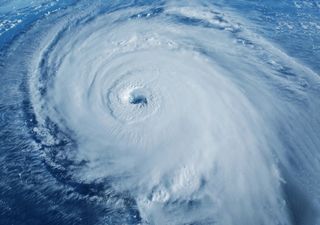
A new algorithm could speed up Earth System Models used to predict future climate change and extreme weather events.
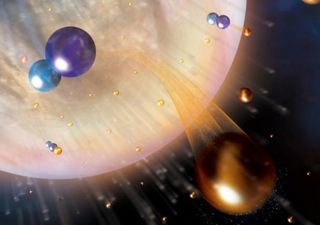
A new study explains what happened to the water that once existed on Venus and what could happen to other planets in the galaxy.
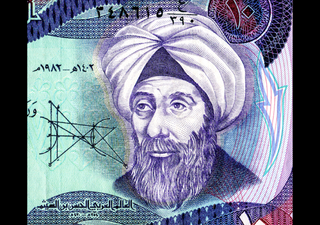
An innovative polymath from the Islamic Golden Age revived optics and engineered a lasting influence on science and art across the ages.
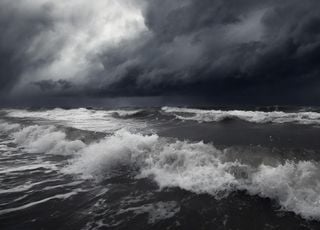
The etymological origin of the terms climate and meteorology takes us back to classical Greece and contains some curiosities. Today many people continue to confuse both terms.

How much atmospheric carbon needs to be removed to help keep the warming limit set by the Paris Agreement to 1.5 ºC? Find out if current plans are enough.
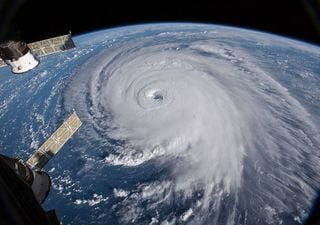
A recently published study confirms what was already being said by some experts: tropical cyclones in coastal regions have intensified more quickly in recent years.

The work consisted of analysing laying hens for 200 hours under different stimuli. This is a finding that may serve to reconsider the treatment of animals.
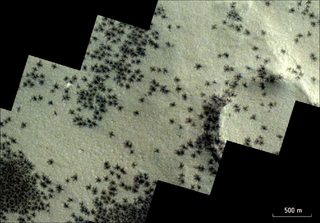
It is not uncommon to observe images of the Martian surface in which particularly strange structures are present. An example of this are the recent images of "black spiders" captured by the ExoMars probe near what is called the "Inca City".