
The secret of “volcanic glass” that was sharper than steel and became the Aztecs’ ultimate weapon
Thanks to the development of this rudimentary weapon, the Mexica Empire experienced significant growth. This jewel of volcanic origin was transformed into objects of worship, tools and ornaments.
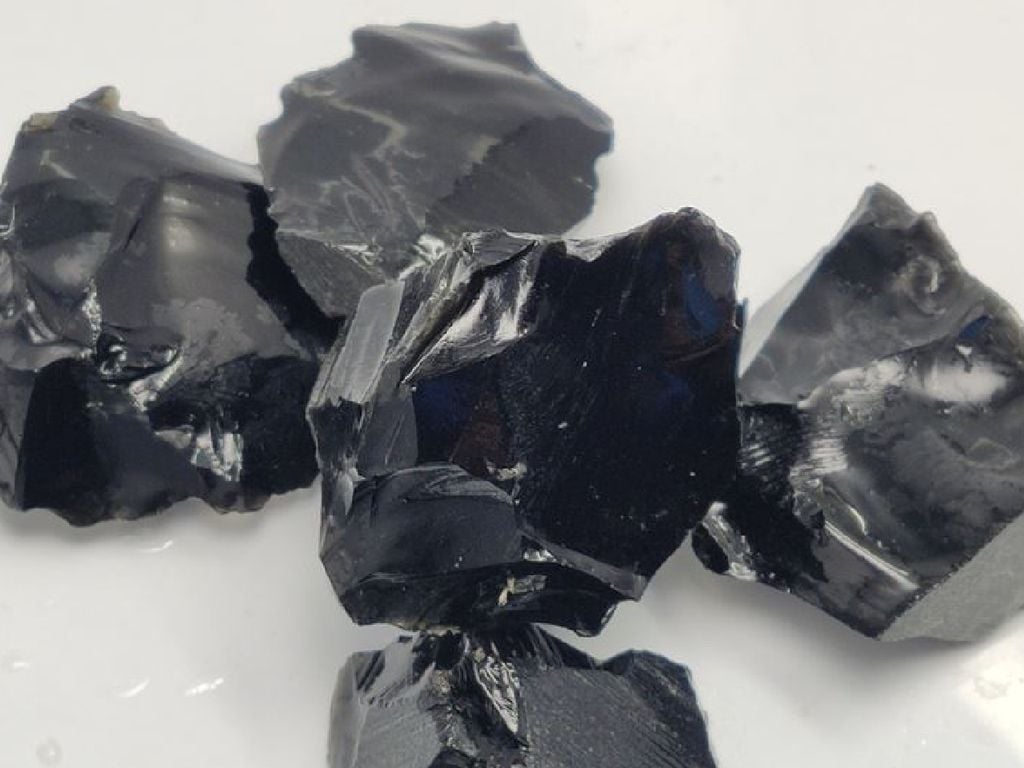
Known as volcanic glass, the formation of this igneous rock occurs through the ultra-rapid cooling of volcanic lava. Due to this accelerated process, crystals such as those found in minerals like rock crystal do not have time to form.
This rock is obsidian, which has a characteristic known to experts as “conchoidal fracture”: a property that causes it to break into pieces with sharp edges. Careful handling is recommended, as its edges are extremely sharp and can cause injuries.
This igneous rock is composed of around 70% silicon dioxide. It has played an important role since ancient times in numerous cultures from different perspectives: spiritual, economic and functional. Using this material, sharp objects such as knives and arrowheads were produced.
It is said that in their time, Aztec priests used obsidian mirrors in their rituals to obtain visions. Through studies and excavations, important deposits were discovered that were controlled and exploited by their inhabitants.
One of the main deposits
Among the main deposits found in the country, and perhaps the most important, is the one located in the Sierra de Navajas, near the city of Pachuca, in the state of Hidalgo. It is from this significant deposit that the renowned green obsidian is extracted.
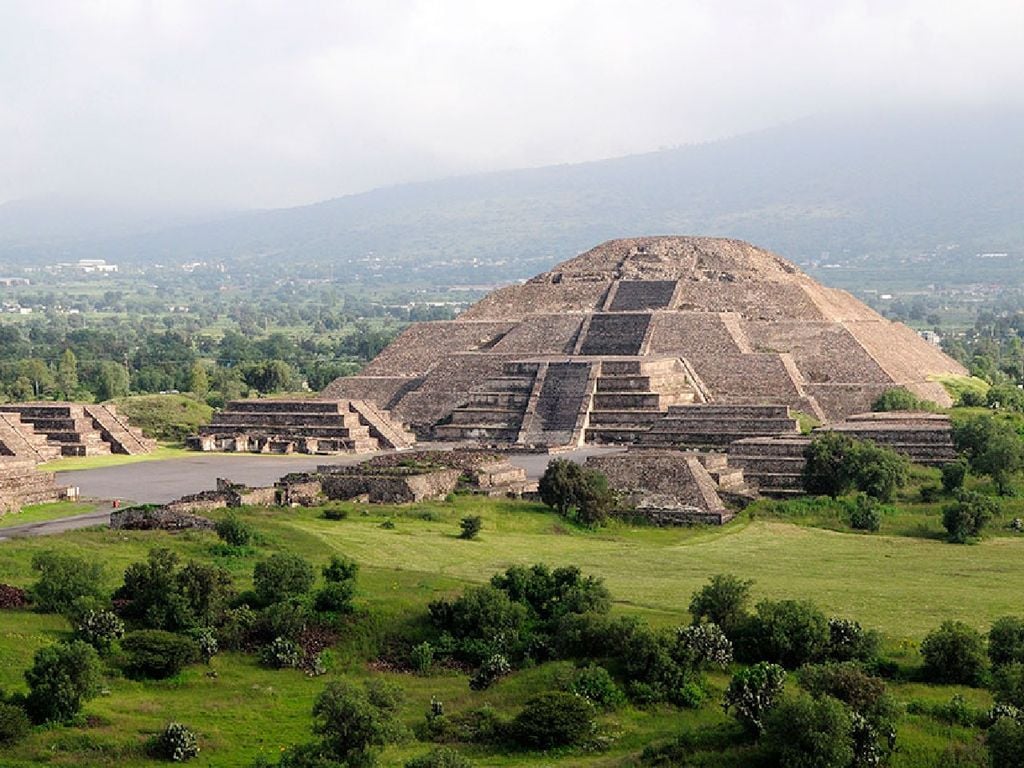
It is believed that the control once exercised by Teotihuacán over obsidian deposits allowed its population to export it to different regions. The various routes they used have been studied, as they reached places as distant as the Maya region.
Rudimentary techniques for extraction
The Sierra de Navajas has been the site of various studies to understand the extraction process of this raw material. A series of shafts or excavated towers were identified; through these, artisans descended to dig horizontal tunnels.

Obsidian blocks were extracted there. Through a selection process, they were transported to the city. Later, in the workshops—around 400 of which have been identified in the city—the artisanal transformation work was carried out.
Expert hands responsible for transforming the raw material
Skilled artisans were responsible for working and transforming these special rocks. The work required extensive knowledge of the material and techniques such as percussion, abrasion and others. Due to its importance, this knowledge was passed down from generation to generation.
Among the most commonly produced objects were spears, dart points, prismatic blades, ear ornaments, masks and other adornments. Particularly striking is the existence of certain eccentric objects with undefined shapes but great beauty.
Teotihuacán: a territory of great importance
Among the pieces studied in the Teotihuacán area, small sickles are also noteworthy. These are believed to have been used for shelling, scraping and polishing. Small perforators and even human figurines were also found.
The existence of large obsidian deposits allowed Teotihuacán to become a region of great importance. Excavations and studies suggest that almost anywhere one digs, obsidian figures are likely to be found.
Stone carving for swords and blades
The Aztecs firmly dominated the territory that is now Mexico City until the arrival of the Spanish in the early 16th century. When the conquistadors arrived, they encountered a highly hierarchical and militarised society.
This empire subdued Mesoamerica thanks to its weapons, made of wood and obsidian. The expedition of Hernán Cortés described with amazement how the Aztecs carved their stones to make swords and blades, considering it something “marvellous”.
Diverse varieties
These obsidian rocks were works of art crafted into blades that “crowned” Mexica spears and caused great damage to their opponents, in addition to the many sacrifices carried out each year. Various varieties can be found on the market.
There is black obsidian, considered the easiest to find, notable for its colour and shine. Golden and silver obsidian are characterised by small gas bubbles trapped within the material. There are numerous types, classified by their appearance and the materials embedded within them.