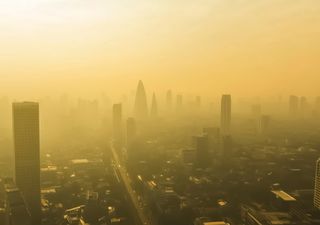
Research conducted in the United States found that very hot days combined with high levels of air pollution can significantly increase the short term risk of suicide.

Research conducted in the United States found that very hot days combined with high levels of air pollution can significantly increase the short term risk of suicide.
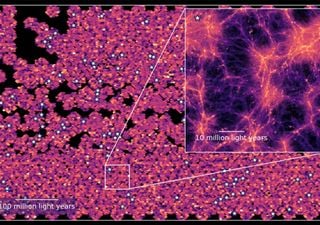
By tracing subtle hydrogen radiation across deep space, astronomers have measured the collective light from galaxies too faint to see individually, revealing previously hidden structure in the early universe.

Climate change is increasingly making its way onto the big screen. A new analysis reveals that a record number of Oscar nominated films include references to the climate crisis, from wildfire dramas to futuristic stories. But how deeply do these films really engage with the issue?

Melatonin is a hormone naturally produced in the body that helps regulate the sleep cycle. Melatonin levels increase in darkness and decrease with sunlight.
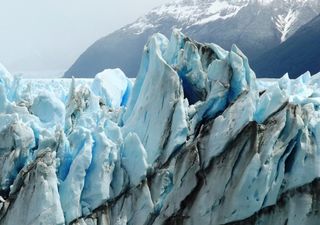
A new study published in the journal Science reveals how glacial climate and severe cold snaps may have shaped early human evolution using deep-sea sediment cores from Portugal.

The February global climate report confirms that 2026 is on track to be one of the warmest years on record, virtually certain to rank among the top 10 and very likely the top five.
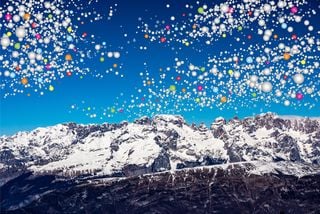
A growing body of research shows that plastic particles circulate through the atmosphere before precipitation returns them to land and water.

A new global analysis finds that the rising number of extreme fire weather days since 1980 carries a clear human-caused climate signal.
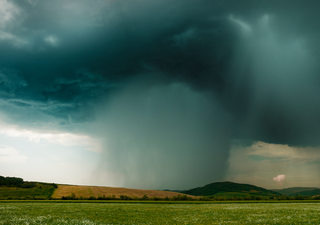
When intense rainfall follows several dry months, many people assume the drought is over. However, meteorologists warn that the problem is more complex than it appears at first glance.
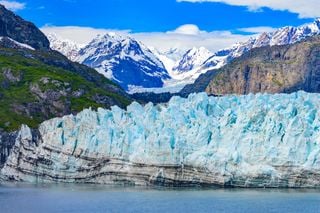
Glacial lakes could increase fourfold over the coming decades, putting more communities across Alaska at risk of outburst flooding.
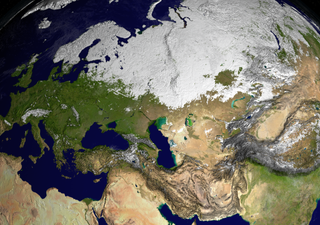
A team of scientists has published a new peer-reviewed study examining regional snow cover trends in the Northern Hemisphere. The results suggest a clear decrease in snow coverage, as well as seasonal shifts in the timing of when the winter layer appears and melts.
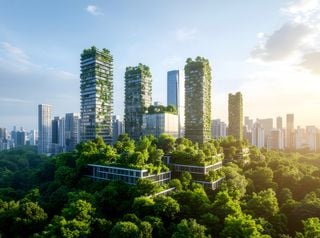
Architecture is not neutral. A city must not only look good and serve its function, but its design must align with human biology to become a healthy and sustainable environment over time.