
A scientific study detects periodic emissions from the reactor of a submarine that sank in 1989, while the nuclear warheads appear to remain sealed on the seafloor.

A scientific study detects periodic emissions from the reactor of a submarine that sank in 1989, while the nuclear warheads appear to remain sealed on the seafloor.

You may have noticed that some children put their clothes in their mouths or chew on them. Be cautious, new studies have found unsafe levels of lead in children’s clothing, posing serious health risks to children. Here is a closer look at the risks that lead-contaminated clothes pose to children.

According to a recent study, the development of renewable energy, especially notable in recent years, would significantly limit the impacts of the current global energy crisis.

The meteorological conditions for transporting the rocket to the launch site and for the launch itself are extremely strict, ensuring flight safety in both weather conditions and space weather.
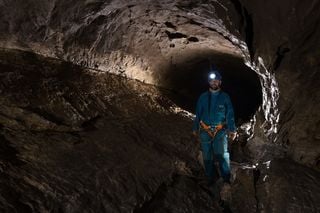
Scientists aim to model and characterize underground cave systems around the world in order to predict water flow and the transport of contaminants.
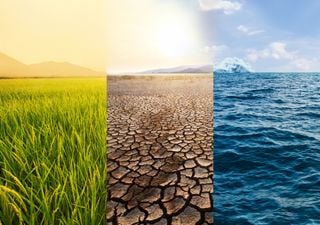
By removing short-term natural influences from temperature records, such as El Niño, volcanic eruptions, and solar cycles, researchers found a clear acceleration in the planet’s long-term warming trend beginning in 2015.

The retreat of Andean glaciers not only marks the advance of climate change, but also a profound change in mountain dynamic that could generate unstable lakes that trigger sudden disasters. Here is what scientists say.

The James Webb Space Telescope and the Hubble Space Telescope have joined forces to capture new images of Saturn, revealing the planet in surprisingly different ways.
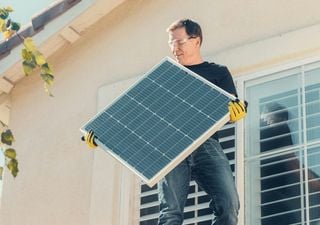
Germany is home to 1.2 million households with installed solar panels, tapping into solar power. But elsewhere, the adoption of these systems is meeting stiff opposition from power utilities.

Although the minimum sea ice extent returned to near-average values, scientists warn that this is not a recovery, but rather a pause within a deeper and more concerning trend.
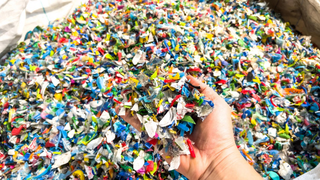
Researchers at the University of Waterloo have discovered a way to convert plastic waste into acetic acid, the main component of vinegar, using sunlight.
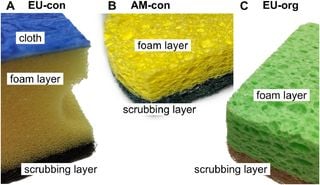
Kitchen sponges are among the most commonly used household items and may represent an underestimated source of microplastics.